Samsung Targets Emotional Barriers in Phone Switching

Samsung is launching a campaign that treats changing phones as a psychological hurdle rather than just a technical upgrade. By partnering with a clinical psychologist, the company aims to address the comfort of familiarity that often keeps users on their current devices.
Samsung has introduced a new marketing initiative called “Switchers,” which centers on the emotional resistance people feel when considering a change in technology. The campaign features Dr. Orna Guralnik, a well-known clinical psychologist, who frames the decision to switch smartphones as a matter of mindset and personal comfort rather than mere specifications. According to reporting from GN technics/mobile (en-US), the strategy is designed to dismantle the idea that sticking with one brand is a sign of loyalty, suggesting instead that it is often just a reluctance to deal with the friction of change.
The approach draws a direct parallel between navigating relationships and choosing a mobile device. Rather than pushing consumers to make an immediate purchase, the spots encourage curiosity and open conversations with friends and family. This soft-sell tactic acknowledges that users are deeply attached to their current phones because they hold personal memories and serve as a bridge to their social circles. By validating these feelings, Samsung hopes to lower the perceived stakes of switching to its new Galaxy Z series foldables.
Psychology Over Product Specifications
In the promotional content, Dr. Guralnik engages with various celebrity pairs to discuss the anxiety surrounding change. The dialogue focuses on common fears, such as losing data or disrupting group chats, which are often the primary reasons users stay with their current ecosystem. This humanizes the technical process, shifting the focus from hardware capabilities to the peace of mind involved in making a digital transition.
Samsung’s marketing leadership notes that the relationship between a user and their phone is deeply personal. Keena Grigsby, the Chief Marketing Officer for Mobile eXperience in the US, explained that the campaign uses humor and empathy to unpack what is holding people back. The goal is to show that exploring a new device does not imply dissatisfaction with the old one, but rather a willingness to see if a better fit exists for daily life.
Data Migration as the Key
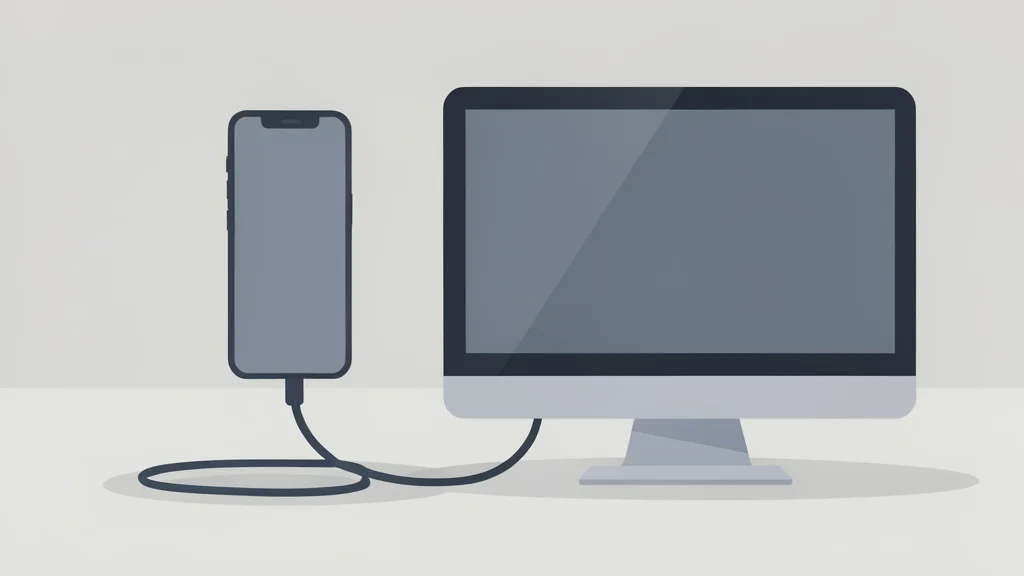
While the emotional messaging drives the campaign, the practical barrier of moving data remains the biggest hurdle for many. Samsung emphasizes its Smart Switch app as the solution to this friction. This tool allows users to transfer contacts, photos, messages, and app settings from both iOS and Android devices to the new Galaxy hardware. By streamlining this technical step, the company aims to make the switch feel less like a project and more like a simple update.
Additionally, the inclusion of RCS messaging ensures that users can maintain seamless communication with contacts on other platforms. This feature allows for high-resolution image sharing and modern chat functions, reducing the fear of being cut off from the broader digital ecosystem. For many, this connectivity is the final piece needed to feel comfortable leaving a familiar brand behind.
Market Data Shows Shift
Samsung claims that this strategy is already yielding results among its foldable buyers. Recent figures indicate that a significant portion of Galaxy Z Flip8 purchasers are coming from competing brands. Specifically, 30% of these users switched from another manufacturer. The Z Fold8 and Z Fold8 Ultra also show a higher share of competitive switchers compared to the previous generation, suggesting that the emotional and practical barriers are gradually being overcome by a combination of new features and targeted outreach.
The new lineup includes three distinct foldable designs aimed at different user needs, from compact creativity to ultimate productivity. By offering varied options, Samsung hopes to catch the attention of those who feel their current device no longer fits their lifestyle. The campaign ultimately positions the switch not as a betrayal of one’s previous choice, but as a natural step toward finding a better match for one’s daily digital habits.