Stronger Adhesive Is Not Always Better for EV Batteries
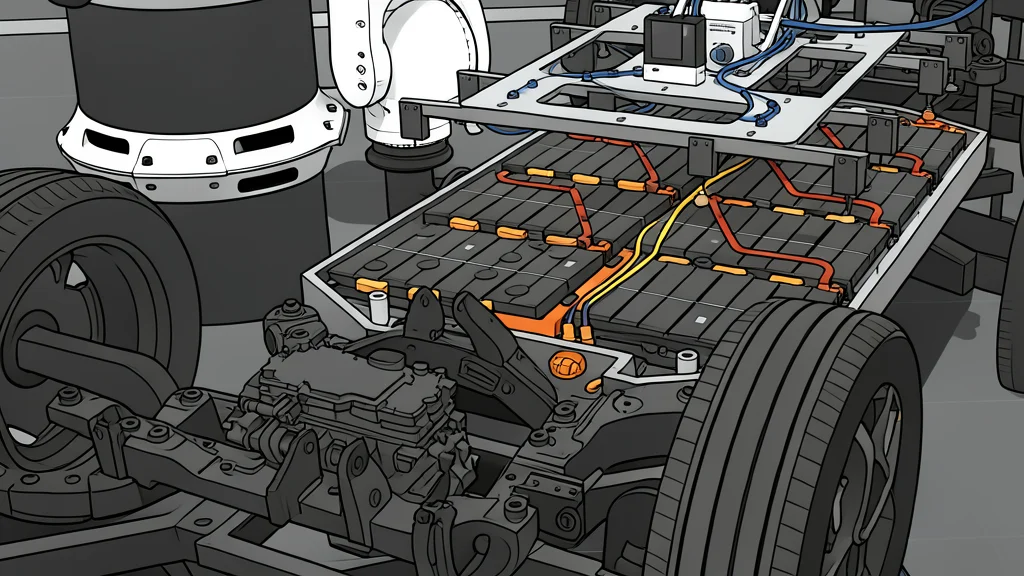
Automated EV battery lines require careful adhesive selection to balance bond strength with ease of machine handling.
Manufacturers building electric vehicle batteries are discovering that the strongest adhesive is not always the best choice. While high bond strength is critical for safety, it can create significant problems on automated production lines. Excessive tack or thickness often leads to residue buildup on cutting tools and complicates the precise placement of components by robots.
According to industry reports from GN auto tech/ev: electric vehicle, engineers must now design for the manufacturing process as much as they do for the final product. This shift means that tape selection involves checking how the material behaves during high-speed converting, handling, and vision detection, rather than just measuring how hard it sticks.
Adhesive Chemistry Must Serve Machines
The chemistry of pressure-sensitive adhesives is being adjusted to reduce maintenance burdens. Standard aggressive adhesives can leave sticky residues that clog die-cutting machines, forcing frequent shutdowns for cleaning. By designing adhesives that release cleanly, manufacturers can extend the time between preventive maintenance intervals, keeping the line running smoother.
There is a trade-off here: reducing the aggressiveness of the adhesive to suit the machinery requires careful engineering to ensure the bond remains secure under stress. If the adhesive is too mild, it may fail during thermal cycling or vibration. The goal is to find the specific performance level required for the application and optimize the rest of the tape construction around manufacturability.
Liners Enable Robotic Precision
The release liner, which protects the adhesive before use, is becoming a key tool for automation. Engineers are now engineering these liners to be easily detected and removed by robots. This includes adding specific pigments or colors that allow machine vision systems to see the tape clearly, ensuring accurate placement without human intervention.
This approach relies on the liner providing the right balance of release force. It must stay attached during storage and transport but peel away cleanly when the robot is ready to apply the tape. If the liner is too difficult to remove, it can snag or tear, ruining the batch. If it is too easy, it might come off prematurely. Getting this balance right is essential for high-volume production.
Complex Surfaces Challenge Standard Tests
Standard material tests often use flat, clean specimens, but real battery packs are complex. They contain low-surface-energy plastics, silicone foams, and oily metal surfaces that behave differently in automated environments. A tape that performs well on a flat test plate may fail when applied to a curved corner or a fragile thermal barrier.
To address this, suppliers are increasingly involved early in the design phase. By testing materials against actual finished-part geometry, engineers can identify issues like residual stress or poor adhesion on specific substrates before production begins. This early collaboration helps prevent scrap and downtime that would otherwise occur only when the first parts hit the line.