Subaru and Onsemi Test Integrated Power Architecture for EVs

Subaru is partnering with onsemi to test a new power management system that could make electric vehicles more efficient and compact, though early-stage evaluation carries inherent risks.
Subaru has entered a strategic partnership with semiconductor firm onsemi to evaluate its Embedded Power Platform. This collaboration focuses on testing a more integrated approach to managing electrical power within electric vehicles. The goal is to determine if this technology can improve how energy flows through the car, potentially leading to better performance and efficiency.
According to reporting from GN auto tech/ev, this move represents a step toward next-generation power architectures. By gaining early access to engineering samples, Subaru aims to assess how these semiconductors can streamline vehicle design. This is critical as automakers face pressure to expand their electrified lineups while managing costs and complexity.
Integrated Power Reduces Complexity
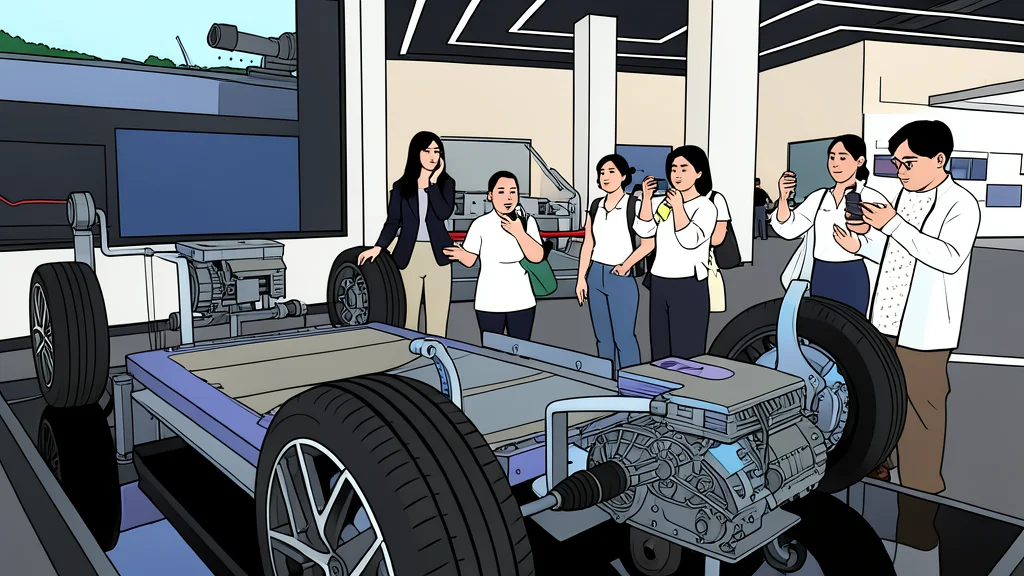
Traditional electric vehicles often rely on multiple separate components to manage power distribution. onsemi’s platform seeks to consolidate these functions into a more unified system. In plain terms, this means fewer discrete parts handling the same job, which can reduce wiring complexity and physical bulk inside the vehicle.
This integration offers design flexibility for engineers. A lighter and more compact power system can free up space for batteries or other components. It also promises improved energy efficiency, as integrated circuits generally lose less power during conversion than separate modules. However, the catch is that this technology is still in the evaluation phase, meaning its real-world reliability is not yet proven at scale.
Early Access Carries Evaluation Risks
Subaru is working with engineering samples rather than mass-production units. This early stage allows for thorough testing but also introduces uncertainty. The partnership is focused on assessing scalability and meeting the increasing demands of vehicle electrification. If the technology performs as expected, it could become a standard feature in future models.
The trade-off for adopting such a specialized platform is dependence on a single supplier’s roadmap. If the technology fails to meet efficiency targets or faces manufacturing bottlenecks, Subaru may need to revert to traditional designs. As noted by GN auto tech/ev, this evaluation period is crucial for determining whether the integrated approach offers a genuine advantage over existing solutions.
Market Context Remains Volatile
This development occurs against a backdrop of shifting market dynamics for electric vehicle components. While Subaru explores new architectures, other industry players are adjusting their supply chains and licensing agreements. For instance, Vicor recently expanded licensing for power delivery modules, highlighting a broader trend toward flexible supply strategies.
Investors and industry observers are watching how these technological shifts impact stock performance and competitive positioning. Subaru’s stock recently closed down slightly, reflecting broader market fluctuations. The success of the onsemi partnership will depend on whether the integrated power architecture delivers tangible benefits in cost, efficiency, or range compared to current standards.