Subaru's New Electric SUV Balances Power and Practicality
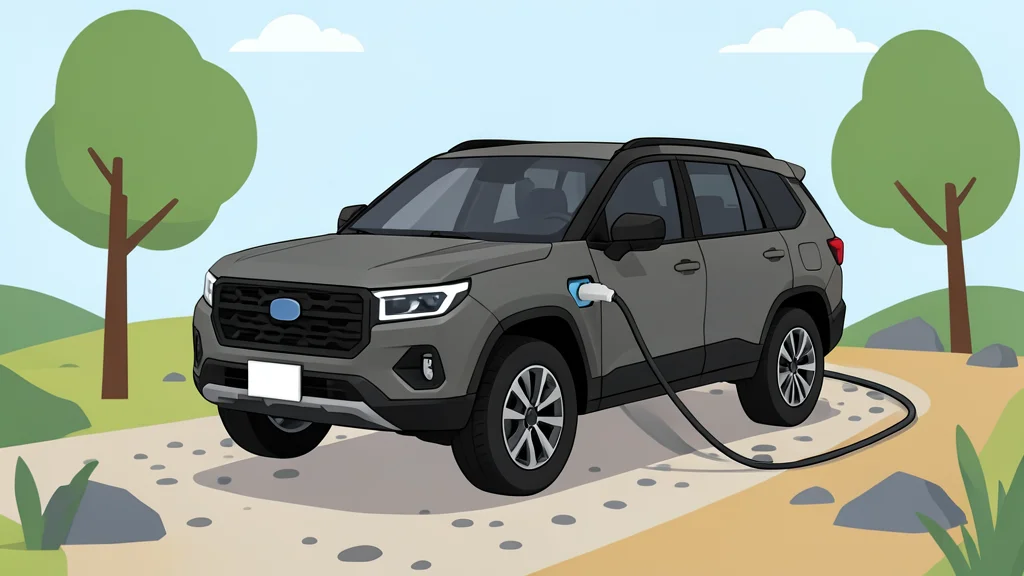
The 2026 Subaru Trailseeker offers rapid acceleration and standard all-wheel drive, but interior design choices may frustrate some buyers.
Subaru has launched its most ambitious electric vehicle yet, the 2026 Trailseeker. This midsize SUV is designed to appeal to families seeking practicality without sacrificing performance. By extending the length of its smaller Solterra sibling by nearly six inches, Subaru has created a roomier vehicle that targets the competitive midsize crossover market with a focus on versatility and speed.
The vehicle starts at approximately $41,445, positioning it as an affordable entry point into the electric SUV segment. While the Trailseeker brings significant upgrades in power and cargo capacity, it also introduces specific interior compromises that buyers should consider before committing to a purchase.
Performance and Charging Standards
Powered by a dual-motor system, the Trailseeker generates 375 horsepower, allowing it to sprint from 0 to 60 mph in 4.4 seconds. This makes it the fastest production Subaru ever sold in the United States. The car also adopts the NACS charging standard, enabling DC fast charging at speeds of up to 150 kW, which can replenish the battery from 10% to 80% in about 28 minutes.
Interior Space and Storage
The added length translates directly into utility, offering 31.3 cubic feet of cargo space behind the rear seats and up to 74.0 cubic feet with them folded flat. However, the interior design includes notable trade-offs. Subaru omitted a traditional passenger glovebox, and the high-mounted center console limits options for stashing small items, despite providing dual wireless charging pads.
Driving Experience and Limitations
True to Subaru’s heritage, the Trailseeker features standard Symmetrical All-Wheel Drive and 8.5 inches of ground clearance, enhancing its capability on uneven terrain. However, the digital instrument cluster is mounted high on the dashboard, which can be partially obscured by the flattened steering wheel depending on the driver's height. Additionally, the regenerative braking system lacks a true one-pedal driving mode, preventing the vehicle from coming to a complete stop using only the accelerator pedal.
According to reporting from GN auto tech/ev, the cabin remains relatively quiet, though road noise can be noticeable on coarse surfaces. The vehicle is strictly a two-row configuration, limiting seating to five occupants. Buyers requiring three rows of seating will need to look to other models, as this specific design prioritizes cargo flexibility over passenger capacity.