Electric Hypercars Now Outpace Traditional Gas Rivals
New electric models are challenging the dominance of internal combustion engines by delivering superior acceleration and power.
The long-standing debate over whether electric vehicles can match the performance of gas-powered sports cars is shifting. Recent data from independent testing bodies indicates that several new electric models are now capable of outperforming established internal combustion engine rivals in key acceleration metrics. This change is driven by the fundamental nature of electric motors, which provide maximum torque immediately from a standstill.
Unlike gasoline engines, which require time to build up rotational force, electric drivetrains deliver full power instantly. This physical advantage allows electric vehicles to achieve significantly faster 0-60 mph times. While traditional engines may still hold an edge in sustained top speed, the instant responsiveness of electric systems has closed the gap in straight-line speed, redefining what consumers expect from high-performance vehicles.
Independent Testing Validates Speed Claims
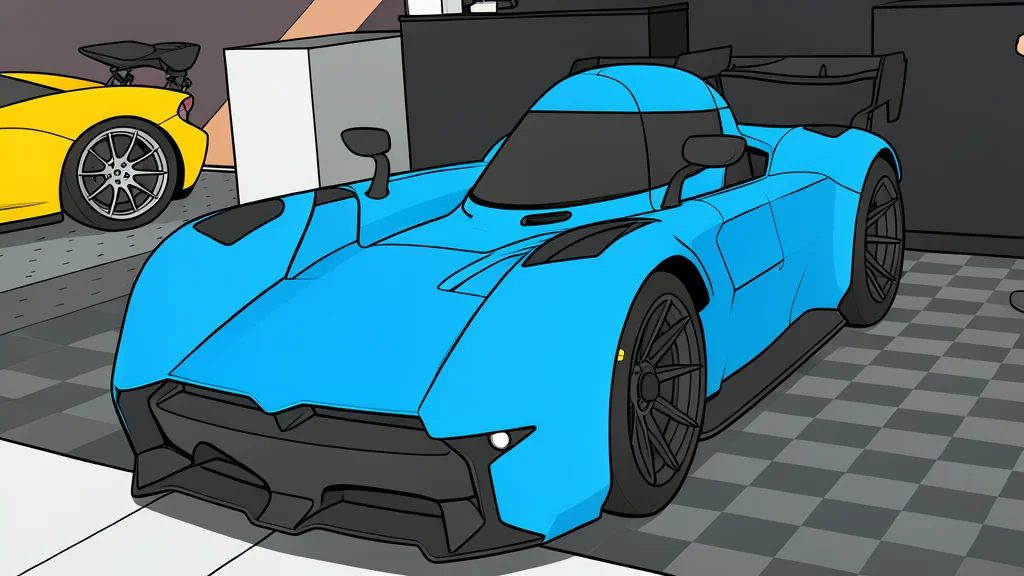
Manufacturers no longer need to rely solely on theoretical figures to prove their capabilities. Independent verification by automotive media outlets has confirmed that new electric hypercars are breaking records previously held by legendary gas-powered machines. For instance, the McMurtry Spéirling was recently tested on a prepared track surface where it recorded a 0-60 mph time of 1.40 seconds.
This result surpassed the times of high-profile competitors like the Bugatti Chiron and certain Formula 1 cars, according to reports from GN auto tech/ev: electric vehicle. The lightweight design of the Spéirling, weighing under 1,000 kilograms, combined with 1,000 horsepower, allows it to achieve these figures. The trade-off for this extreme acceleration is a focus on straight-line speed rather than complex handling dynamics found in heavier sports cars.
Engineering Behind Electric Power
The Pininfarina Battista offers another example of this engineering shift. Designed as a luxury hypercar, it utilizes a system where each wheel is powered by its own motor. This setup is driven by a large 120kWh battery, providing the energy density needed for rapid acceleration. The result is a 0-62 mph time of 1.86 seconds, a figure that meets the ambitious targets set by the manufacturer at the vehicle's launch.
These vehicles demonstrate that electric platforms can handle extreme forces. Some models are rated for 3G cornering, a force comparable to that experienced by fighter jet pilots. However, the primary advantage remains in acceleration. The catch for buyers is that these ultra-high-performance electric cars often come with premium price tags and specialized infrastructure requirements, limiting their accessibility to a niche market of enthusiasts.
Shifting Expectations For Performance
The rise of these high-speed electric vehicles changes the baseline for what is considered a performance car. Drivers who previously associated high speed exclusively with the sound and feel of a combustion engine now have a silent, instant-response alternative. The technology has matured to the point where the performance gap is no longer a myth but a measurable reality.
While gas engines will likely remain competitive in top-end speed and endurance, the electric sector has secured a lead in launch speed. This development forces traditional manufacturers to rethink their approach to performance, potentially leading to hybrid solutions or further electrification of their sports car lines. The market is moving toward a future where power delivery, not just engine displacement, defines the ultimate driving machine.