Apple Vision Pro Receives Major Software Update with New Siri Capabilities
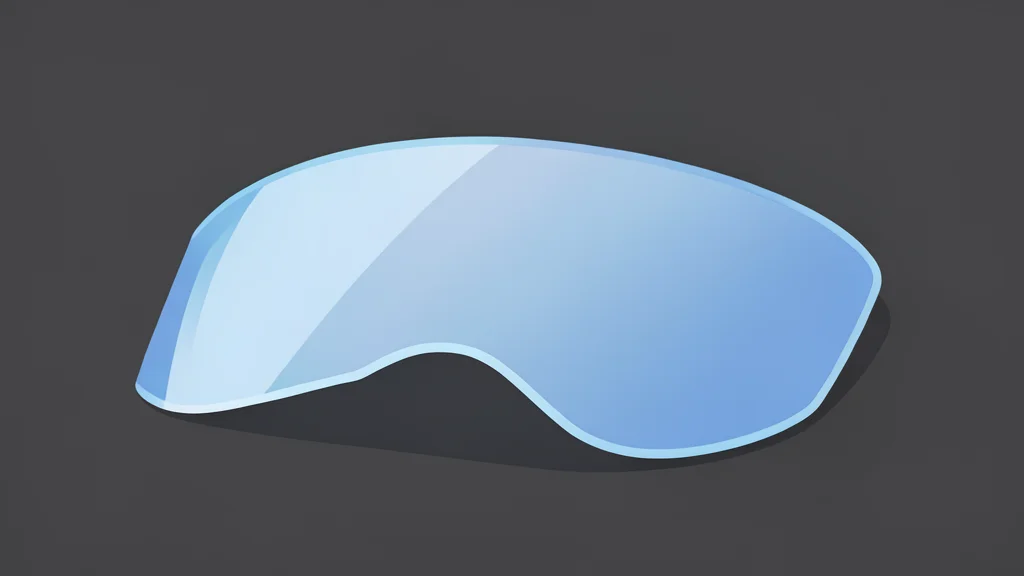
The next major update for Apple's spatial computing headset is rolling out to all users, bringing a significantly upgraded voice assistant and new visual tools to the platform.
Apple has begun distributing visionOS 27 to all existing models of the Vision Pro headset, including both the original M2 version and the newer M5 hardware. This release marks a substantial shift in how users interact with the device, prioritizing voice commands and spatial awareness over traditional touch inputs. The update is immediately available for download, signaling a continued commitment to evolving the operating system alongside the hardware.
According to reporting from 9to5Mac, the central focus of this update is the integration of a more advanced version of Siri. This is not merely a cosmetic change; it introduces a dedicated Siri app and a suite of AI-driven features that allow for more complex, context-aware interactions. For many users, this represents the most significant functional improvement since the device's launch, addressing long-standing criticisms about the assistant's limited utility in a spatial environment.
Voice-first computing transforms daily interaction
The new Siri implementation enables what Apple describes as voice-first computing, allowing users to manage tasks and query information without touching any physical or virtual buttons. A key feature, Visual Intelligence, allows the system to analyze whatever is on screen and provide answers or context based on that visual data. This reduces the friction of navigating menus, making the experience feel more intuitive and less like operating a complex piece of software.
There is a notable accessibility advantage in this rollout. While the latest Siri features are not yet available in the European Union for iPhone, iPad, or Apple Watch, they are accessible on the Vision Pro in the region. This creates a unique scenario where European users can experience these advanced AI capabilities on their headsets before they arrive on their other Apple devices, highlighting the platform's role as a testing ground for new technologies.
Visual enhancements refine the spatial experience
Beyond the assistant, the update introduces several visual and interface improvements. Users can now convert panoramic photos into immersive spatial scenes, which can be used as background environments to replace the standard room views. The interface itself has been refined with curved windows that better match the geometry of the headset's display, and a redesigned Control Center that aims to streamline access to key settings.
Recording capabilities have also been upgraded to eliminate the pixelation or blurring that previously occurred when capturing the screen in high quality. Additionally, notifications can now be expanded and dismissed using eye tracking alone, reducing the need for hand gestures. These changes collectively aim to make the visual layer of the OS feel more polished and responsive to the unique form factor of spatial computing.
Accessibility and productivity tools expand
The update also addresses specific accessibility needs with the inclusion of wheelchair control options and vehicle motion cues. These features are designed to assist users with mobility challenges or those who experience motion sickness in virtual environments by providing clearer feedback and more inclusive control methods. While these are niche features, they underscore a broader effort to make the platform usable for a wider range of users.
However, there is a trade-off to consider with the increased reliance on AI and eye tracking. While these features reduce physical effort, they also require a higher level of sustained attention and can lead to fatigue during long sessions. Furthermore, the performance of the new AI features may vary depending on the specific model of the headset, with the older M2 model potentially handling complex requests less efficiently than the newer M5 hardware. Users should be aware that the most seamless experience is reserved for the latest generation of the device.