Apple Updates HomePod with Smoother Music Transitions

Apple has rolled out a new software version for its smart speakers, focusing on better song blending and faster wireless connections.
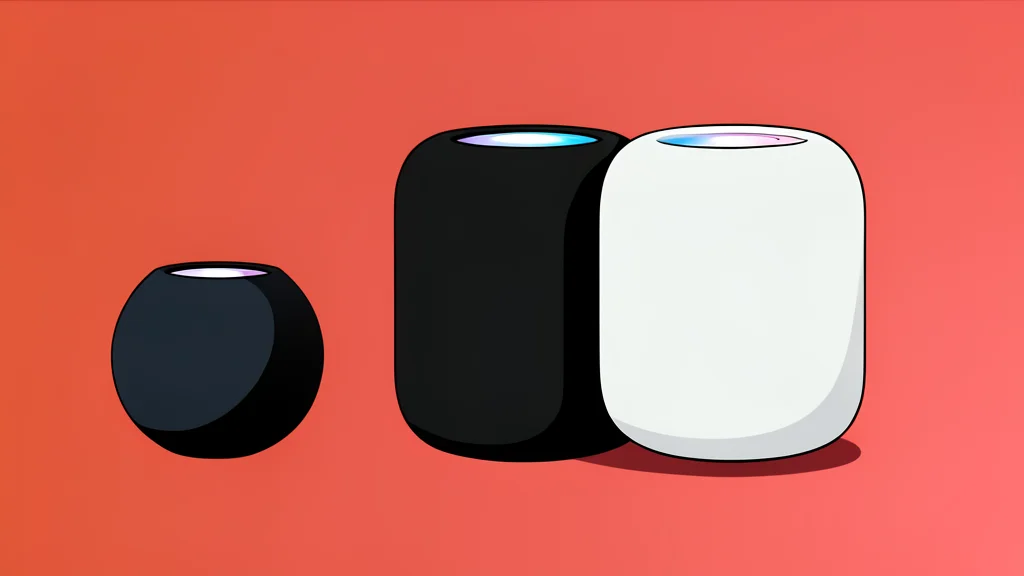
Apple has released a new software update for its HomePod speakers as part of its broader iOS 27 launch. The update, labeled HomePod 27, introduces two key improvements aimed at enhancing the daily listening experience for users who rely on their smart speakers for background music. According to reports from 9to5Mac, these changes address long-standing requests for smoother playback and more reliable wireless connections.
The primary focus of this release is on refining how music plays from start to finish. Rather than adding new hardware features or artificial intelligence capabilities, Apple has chosen to polish the existing audio pipeline. This approach suggests a strategy of stabilizing the current user base by fixing friction points in the software, ensuring that the device performs reliably for its core function of playing sound throughout the home.
Smoother transitions with AutoMix
The most noticeable change is the arrival of AutoMix for Apple Music. This feature automatically blends one song into the next, mimicking the style of a DJ at a live venue. Instead of abrupt stops and starts between tracks, the audio stretches and matches the beat to create a continuous flow. For users who play music in open-plan living spaces or across multiple rooms, this can reduce the jarring interruptions that often occur when a track ends and the next one begins.
However, there is a trade-off to consider. AutoMix is exclusively available for Apple Music subscribers. Users who rely on other streaming services or local file libraries will not see this improvement. This reinforces Apple’s ongoing strategy of tying specific software enhancements to its own subscription services, potentially making the HomePod less appealing to those who prefer a multi-platform approach to their audio consumption.
Faster AirPlay connections
The second major improvement is in AirPlay performance. Apple states that connections between iPhones, iPads, and Macs will now be faster and more responsive. In practical terms, this means less waiting time when tapping the AirPlay icon to start music or switching devices mid-playback. Early testers have noted that the handoff between personal devices and the speaker feels more immediate, reducing the latency that can sometimes frustrate users trying to move music from a phone to a room speaker.
While faster connections are a welcome fix, they do not resolve the underlying complexity of AirPlay for some users. The interface can still be unintuitive for those unfamiliar with Apple’s ecosystem, and the reliance on Wi-Fi means that connection quality remains dependent on the strength of the home network. This update improves the speed of the handshake but does not change the fundamental requirement for a stable and robust Wi-Fi environment to maintain high-quality audio streaming.
Missing AI features remain
Notably, this update does not include the advanced Siri AI features that have been speculated about for the HomePod line. There are no new voice command capabilities or contextual understanding updates in this release. Apple appears to be holding back these more significant changes for a potential hardware refresh expected in the coming months. For now, the HomePod remains a dedicated music player and smart home hub, without the expanded conversational capabilities seen in newer Apple devices.
This decision leaves a gap in the product’s evolution. As smart speakers become more central to daily routines, the absence of advanced AI assistance may limit their utility for users who expect their speakers to handle complex tasks beyond simple playback. The current update serves as a maintenance release rather than a transformative step, keeping the device functional and polished but not fundamentally changing its role in the home.