US-China Talks Begin as EV Stocks Face Tariff Uncertainty
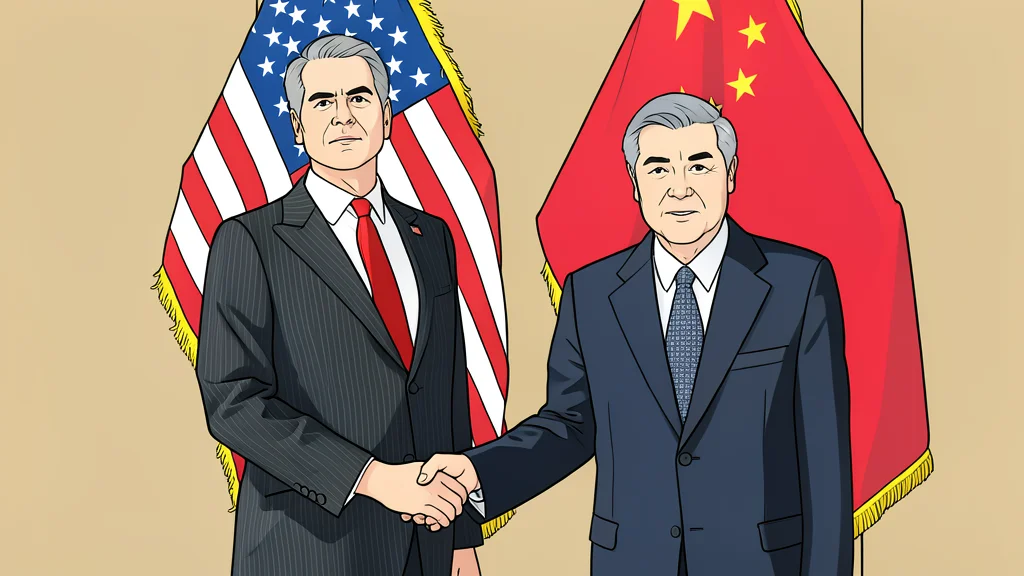
Negotiations in New York aim to stabilize trade before a presidential summit, leaving Chinese carmakers in limbo.
Key points
- Chinese EV stocks have dropped significantly this year as US-China trade talks enter a critical phase.
- A 100% tariff and new software bans effectively prevent Chinese electric vehicles from being sold in the US market.
- Negotiators are discussing a trade truce expiration and potential tariff cuts, but vehicle-specific restrictions remain unchanged.
US-listed shares of major Chinese electric vehicle makers have fallen sharply this year, with losses ranging from nearly 30% to almost half their value. This decline coincides with the start of high-level economic talks in New York between US and Chinese officials, setting the stage for a critical week in bilateral trade relations.
Vice Premier He Lifeng opened discussions with Treasury Secretary Scott Bessent on Sunday, three days before President Xi Jinping’s state visit. The sessions are intended to lay the groundwork for a summit that both sides hope will yield tangible economic results, though no specific outcomes have been announced yet.
Tariff truce remains under negotiation
According to eletric-vehicles.com, the current trade truce caps US tariffs on most Chinese goods at around 20%, but this agreement is set to expire in November. Negotiators are currently working on reciprocal tariff cuts of up to $30 billion for non-sensitive goods, a move that could provide some relief to manufacturers relying on cross-border supply chains.
However, the most significant uncertainty involves a separate investigation into industrial overcapacity. Reports suggest the administration may delay finalizing a proposed 7.5% tariff until after the summit, using the threat as leverage. This delay leaves companies uncertain about their long-term cost structures and market access.
Regulatory barriers block US market entry
Even if tariff negotiations succeed, Chinese carmakers face a closed US market due to existing regulations. Electric vehicles built in China already face a 100% duty, which makes them economically unviable for import. This high barrier was implemented to protect domestic manufacturers from what officials describe as excessive production capacity abroad.
Beyond tariffs, a new Commerce Department rule prohibits the import of connected vehicles using Chinese-developed software for connectivity or automated driving starting in 2027. Hardware restrictions follow in 2030. These measures effectively bar many modern Chinese EVs from US sales regardless of price, citing data security concerns.
Political scrutiny intensifies over data risks
Political pressure remains intense, with lawmakers arguing that Chinese vehicles pose data collection threats to American users. Recent statements from congressional leaders have explicitly opposed the presence of Chinese cars in the US, framing them as potential security risks rather than just commercial competitors.
This political stance complicates any potential easing of trade restrictions. While some goods may see lower tariffs, the sector-specific bans and high duties on vehicles remain in place, meaning the primary financial impact for investors is tied to broader trade stability rather than direct market access in the US.