Mercedes Electric Truck Aims for 621-Mile Range on World Tour
A specially modified Mercedes-Benz eActros 600 is set to attempt a circumnavigation of the globe on battery power alone, targeting a range that is double its standard commercial specification.
Professional truck driver Tobias Wagner is preparing to drive around the world in a Mercedes-Benz eActros 600 that has been converted into a mobile home. The vehicle features a custom living module attached to the back of the electric truck, turning it into a self-contained expedition rig. Wagner and Mercedes-Benz Trucks are aiming to complete the approximately 28,000-mile journey through more than 30 countries with no more than 80 charging stops.
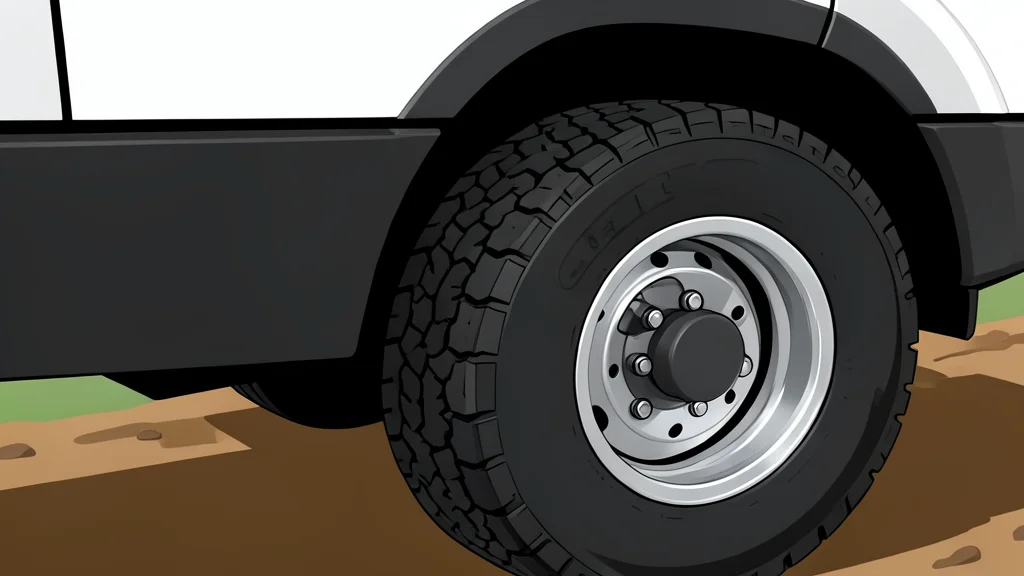
This trip would mark the first known circumnavigation of the globe in a fully battery-electric truck, according to Mercedes. The project relies on a specific engineering adjustment: by replacing heavy commercial trailers with a lighter living module and using single rear tires, the team hopes to reduce rolling resistance. This reduction allows the truck to target a maximum range of 621 miles on a single charge, which is roughly double the 310-mile range quoted for the vehicle under fully loaded long-haul test conditions.
Lighter loads enable longer distances
The eActros 600 is built for commercial freight, but Wagner’s expedition setup changes its operational profile significantly. The truck carries three lithium iron phosphate battery packs with a combined capacity of 621 kWh. It produces about 536 horsepower continuously, with peak output reaching roughly 805 horsepower. Despite this power, the vehicle’s maximum weight is limited to about 34,170 pounds, which is much lighter than a typical loaded freight truck.
Mercedes states that this lighter configuration should allow the truck to significantly exceed its normal long-haul range. However, achieving the 621-mile target depends heavily on external factors such as road conditions, temperature, speed, and terrain. The plan requires an average of about 350 miles of driving between charging stops, a distance that demands consistent efficiency over thousands of miles of varied geography.
Charging infrastructure presents major hurdles
The route includes challenging stretches through Central and East Asia, Australia, the United States, and Latin America. In many of these regions, high-powered truck charging infrastructure is sparse or difficult to find. This scarcity makes the ability to travel longer distances between stops essential for the success of the expedition.
When the truck does need to plug in, it supports CCS2 fast charging at up to 400 kW. Under specified conditions, this can charge the battery from 10% to 80% in about 70 minutes. Mercedes has also demonstrated Megawatt Charging System technology at up to 1,000 kW, which could further reduce charging times where available. According to aol.com, the combination of extended range and rapid charging capabilities is critical to making this ambitious global tour feasible.