Volkswagen Prototype Targets Aerodynamic Efficiency over Battery Size
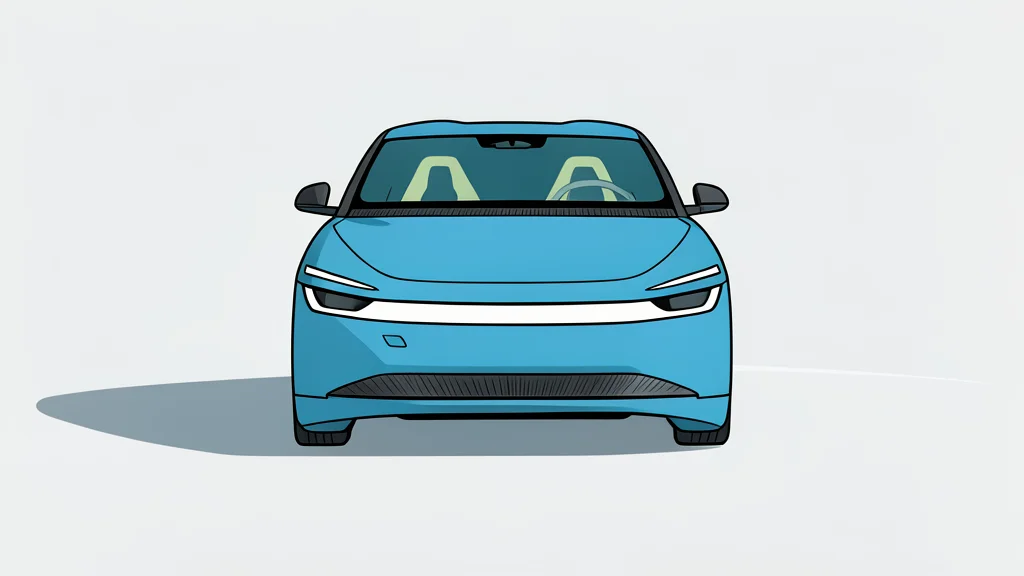
A new Volkswagen prototype demonstrates that reducing air resistance can significantly extend electric vehicle range without requiring larger batteries.
Volkswagen has introduced the Mission Efficiency, a low-profile electric prototype that prioritizes aerodynamic design over battery capacity to extend driving range. Rather than relying on a massive energy storage unit, the vehicle focuses on minimizing energy losses caused by air resistance and rolling friction. According to GN auto tech/ev: electric vehicle, this approach offers a distinct strategy for improving the practicality of electric cars.
The car features a sleek, teardrop-shaped body with covered rear wheels and a fully sealed underbody to streamline airflow. Volkswagen claims the design achieves a drag coefficient of 0.158, a figure that allows the vehicle to travel further on the same amount of energy. The prototype is not yet available for purchase, but it serves as a testbed for technologies intended for future production models.
Real-world trip results show steady efficiency
During a documented journey from Wolfsburg to Vienna covering roughly 794 miles, the prototype recorded an energy consumption of 6.89 kilowatt-hours per 100 kilometers, excluding charging losses. The trip included one charging stop and maintained an average speed of about 42 miles per hour. While these figures are impressive, they reflect specific conditions rather than typical urban driving, which involves stop-and-go traffic and higher energy demands from climate control systems.
The vehicle also achieved a lower consumption figure of 6.48 kilowatt-hours per 100 kilometers under controlled constant-speed conditions. These results highlight the potential of aerodynamic optimization but do not represent a one-charge endurance record. The primary goal was to demonstrate how much energy can be saved by reducing the effort required to push through the air.
Production hardware underpins the prototype design
Despite its exotic appearance, the Mission Efficiency uses components from Volkswagen’s existing MEB+ production platform. The motor, battery architecture, and parts of the chassis are sourced from hardware associated with upcoming models like the ID. Polo and ID. Cross. This setup allows engineers to isolate the benefits of aerodynamic improvements without the confounding variable of experimental powertrain technology.
By using familiar production parts, the prototype acts as a rolling laboratory for assessing how much range can be gained through design alone. This approach provides a clearer picture of the potential efficiency gains available to future mass-market electric vehicles, separate from the cost and weight penalties of larger batteries.
Aerodynamic trade-offs limit practical daily use
The extreme focus on air resistance comes with significant compromises for everyday drivers. The vehicle is exceptionally low, with a height of roughly 55 inches, which may limit ground clearance and ease of entry. The two-plus-two seating layout also offers less cargo space than standard family sedans. These design choices prioritize efficiency metrics over the convenience and versatility expected in a typical commuter vehicle.
While the prototype proves that smart design can unlock substantial range, it does not suggest that all future electric cars will adopt such extreme shapes. The real-world applicability of these aerodynamic features depends on balancing efficiency gains with user comfort and manufacturing costs. The project serves as a proof of concept rather than a direct preview of the next generation of family electric vehicles.