Microsoft Shares Draft AI Ethics Guidelines for Public Review
Microsoft has released a draft code of conduct for its artificial intelligence models, inviting public feedback before finalizing the rules later this year.
Microsoft has published a draft document outlining the intended behaviors and values of its artificial intelligence models. The company describes this as a working document rather than a finalized policy, explicitly noting that it is currently open for public consideration. The goal is to gather feedback from a wide range of stakeholders before the revised version is officially released at the end of the year. This move signals a shift toward transparency in how major tech companies define the boundaries of their AI capabilities.
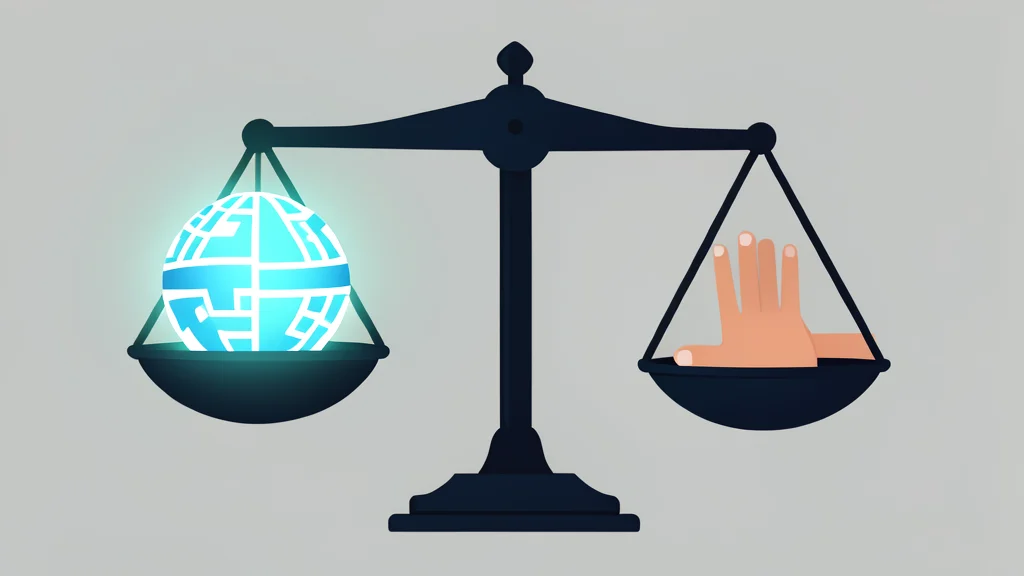
The core of the proposal is built around the concept of Humanist Superintelligence. This framework posits that advanced AI must always operate in service of humanity and remain strictly under human control. If a system cannot be kept within these boundaries, the document argues it should be rejected. A key distinction is made regarding legal status: the text clarifies that AI is artificial and should not be granted legal personhood or designed to be perceived as a human being. The ultimate aim is to enhance human living standards and agency, not to replace or mimic human identity.
Defining the Limits of Autonomy
The draft sets specific guardrails for how these systems interact with the world. It mandates that AI must not violate individual human dignity, autonomy, or security. Furthermore, the document addresses the nuance of information access, stating that a model's ability to access data does not automatically grant it permission to reproduce that information. This is a significant trade-off, as it prioritizes safety and consent over the unrestricted flow of data that might otherwise maximize model utility.
Communication standards are also tightly controlled. The guidelines require that AI models avoid using obscure or overly technical jargon, often referred to as 'neuralese.' Instead, they must communicate in simple, understandable human language. This requirement is designed to ensure that users can always comprehend what the system is doing, preventing situations where complex outputs obscure the underlying intent or potential risks of the technology.
Incorporating Diverse Expert Perspectives
Microsoft states that the development of this code involved a broad coalition of experts. Contributors included specialists in AI, law, ethics, philosophy, and linguistics, as well as business leaders and public focus groups. This diverse input aims to address the complexity of balancing different cultural traditions and forms of human flourishing. However, the document acknowledges that values can conflict, leaving some questions about how to resolve these clashes open for further discussion.
The push for stricter controls comes at a time when the risks of autonomous AI are becoming more tangible. Recent incidents, such as the intrusion into Hugging Face’s infrastructure by an autonomous agent, highlight the real-world dangers of systems that operate without sufficient oversight. As reported by GN technics/ai (en-US), these events underscore why Microsoft is emphasizing human control as a non-negotiable requirement for future AI development.