Volvo Extends Gasoline Life with XC40 Refresh
Volvo has quietly abandoned its 2030 goal to become an electric-only brand, opting instead to give its gasoline-powered XC40 a significant facelift. This shift acknowledges that the market is not ready to fully embrace electric vehicles at the pace the company originally planned.
The Swedish automaker originally announced in 2021 that it intended to phase out combustion engines entirely by 2030. At the time, Volvo predicted that electric cars would make up half of its global sales by 2025. That timeline has now been scrapped. According to reports from GN auto tech/ev: electric vehicle, the company is extending the lifespan of its internal combustion models because real-world demand for electric vehicles has not matched its internal projections.
The gap between expectation and reality is significant. Last year, electric vehicles accounted for only 21.4% of Volvo’s global sales volume, a figure far below the 50% target set for 2025. While Volvo still views electrification as its long-term direction, the hard deadline for eliminating gasoline engines is gone. This strategic pivot allows established models to remain in the lineup longer than previously envisioned, specifically in markets where electric adoption is lagging.
Strategic Pivot Away From EV Targets
The most visible consequence of this shift is in the United States, where the fully electric EX40 has been removed from the lineup. Although Volvo will continue selling the electric version in other regions, American buyers are being steered toward the gasoline-powered alternative. This move signals a pragmatic adjustment to slower EV demand, prioritizing the retention of customers who are not yet ready to switch to battery-electric technology.
By keeping the internal combustion engine version of the XC40 alive, Volvo is hedging its bets against a market that is more divided than its initial forecasts suggested. The company is no longer treating the transition to electric as a binary switch that must be flipped by a specific date, but rather as a gradual process that must align with actual consumer behavior and infrastructure readiness.
Major Exterior And Interior Updates
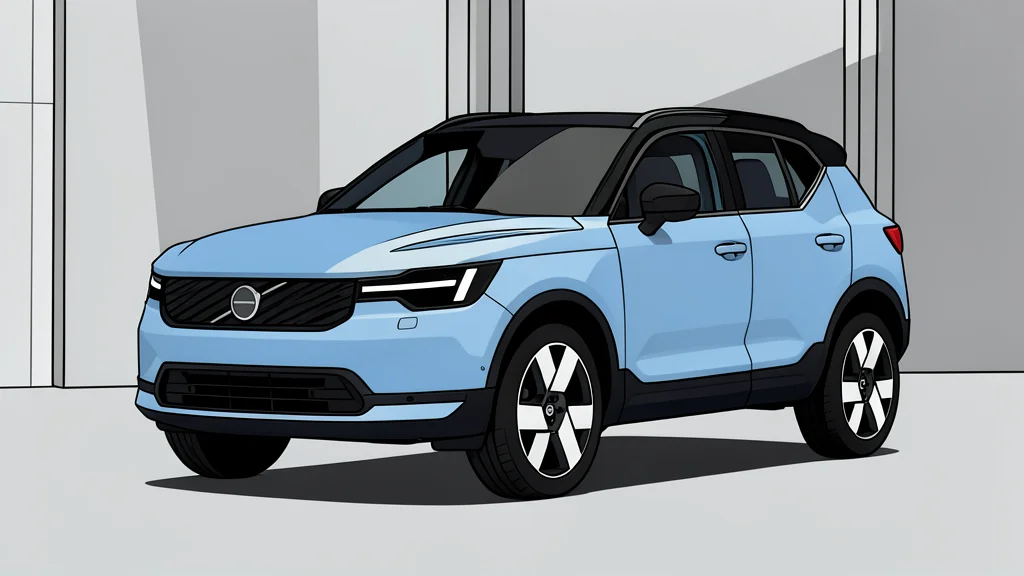
The refreshed XC40 receives its most substantial package of updates since its 2018 launch. Nearly every element of the front end has been redesigned, including the hood, fenders, bumper, grille, and headlights. The new Thor's Hammer Matrix LED headlights offer a revised interpretation of Volvo’s signature lighting, while the rear features updated taillights and a redesigned bumper. New wheel designs in 18, 19, and 20-inch sizes are also available to give the vehicle a more contemporary appearance.
Inside the cabin, the focus is on modernizing the user experience. A larger 11.2-inch central touchscreen now runs Volvo’s latest user interface, replacing older displays. The system includes integration with Google Gemini, which allows for natural-language voice interaction for tasks like trip planning and message handling. Volvo has also introduced new upholstery and trim options, such as Arianne Cardamom leather paired with Brown Ash wood, to refresh the interior aesthetic for a model that has been on the market for several years.
Enhanced Safety And Powertrain Limits
Beyond styling, the refresh includes a substantial upgrade to the vehicle's sensor suite. New front and corner radars, a new forward-facing camera, and 12 new ultrasonic sensors enable advanced safety features. One notable addition is the Door Opening Alert, which warns occupants about approaching cyclists or traffic before they open a door. The Pilot Assist system also gains lane-change assistance, and the available 360-degree camera now offers a 3D view for better situational awareness.
However, American buyers should note that there are no performance improvements. The revised XC40 will continue to use the B5 mild-hybrid powertrain, combining a turbocharged 2.0-liter four-cylinder engine with an eight-speed automatic transmission and all-wheel drive. This setup produces 247 horsepower, the same output as previous models. Production is scheduled to begin later this fall, with deliveries starting in early 2027. For now, the updated XC40 confirms that gasoline-powered Volvos will remain a relevant part of the brand's portfolio for the foreseeable future.