Volvo Targets 78-Mile Electric Range in New Hybrid SUVs
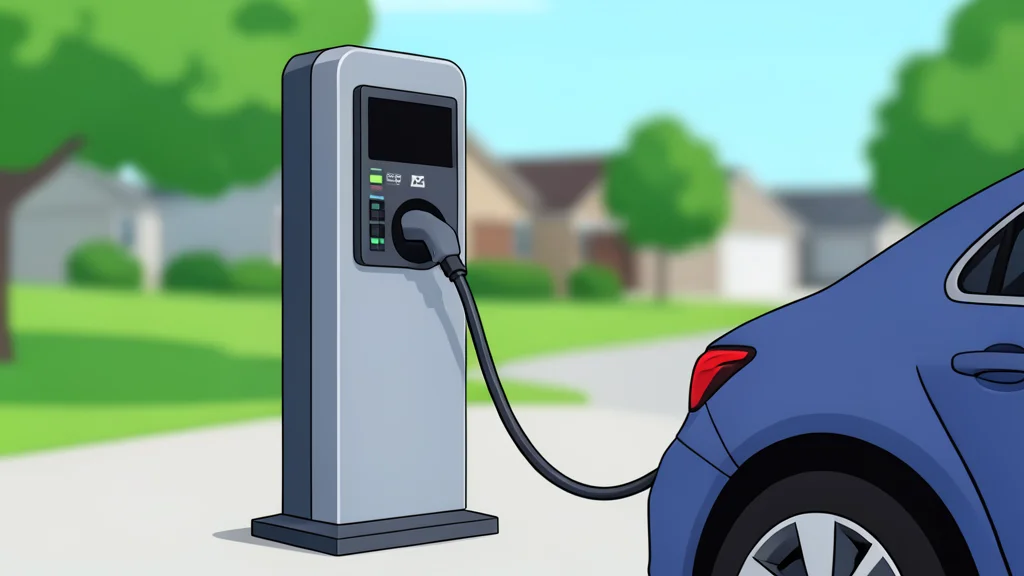
Volvo is set to launch plug-in hybrids with significantly extended electric-only ranges, aiming to solve a key frustration for drivers who want to reduce fuel consumption without relying entirely on charging infrastructure.
For years, the plug-in hybrid has been viewed as a compromise. The concept was simple: drive on battery power for short distances, then let the combustion engine handle the rest. However, the reality often fell short of the promise. Most existing models offered only 30 to 40 miles of electric range, a distance that many drivers found insufficient to justify the effort of daily charging. This friction led to lukewarm sales, as consumers struggled to see the value in a vehicle that required both electricity and gasoline.
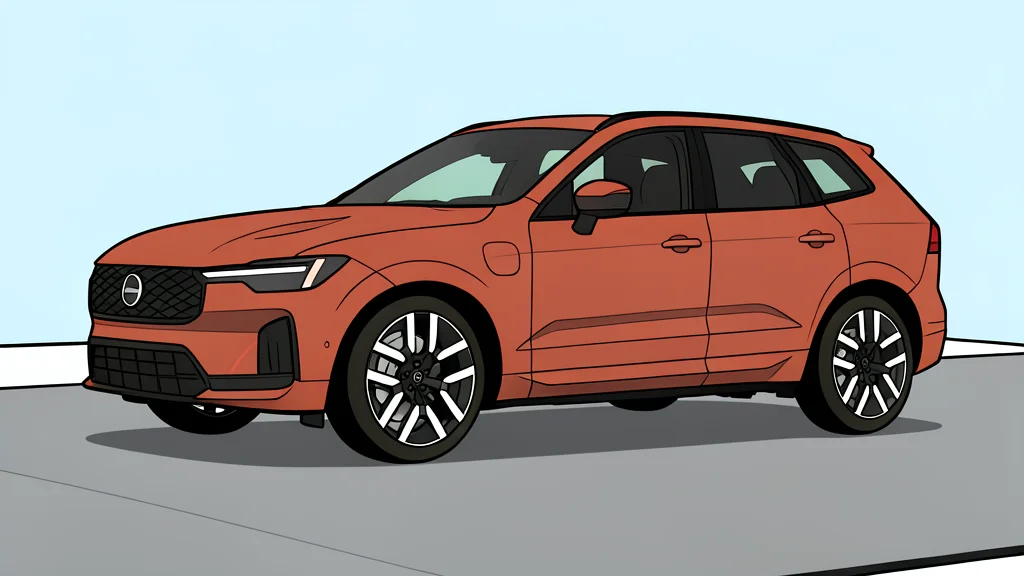
Volvo is now attempting to change this dynamic with a new generation of plug-in hybrids scheduled for arrival in 2028. According to reports from GN auto tech/ev: electric vehicle, the upcoming XC60 will feature a 41.2-kWh battery pack capable of delivering 78 miles of all-electric driving. This is a substantial leap from the current market standard, effectively doubling the electric-only capability of many competitors and positioning the vehicle as a serious alternative to fully electric cars for those with long commutes.
Electric range meets daily commute needs
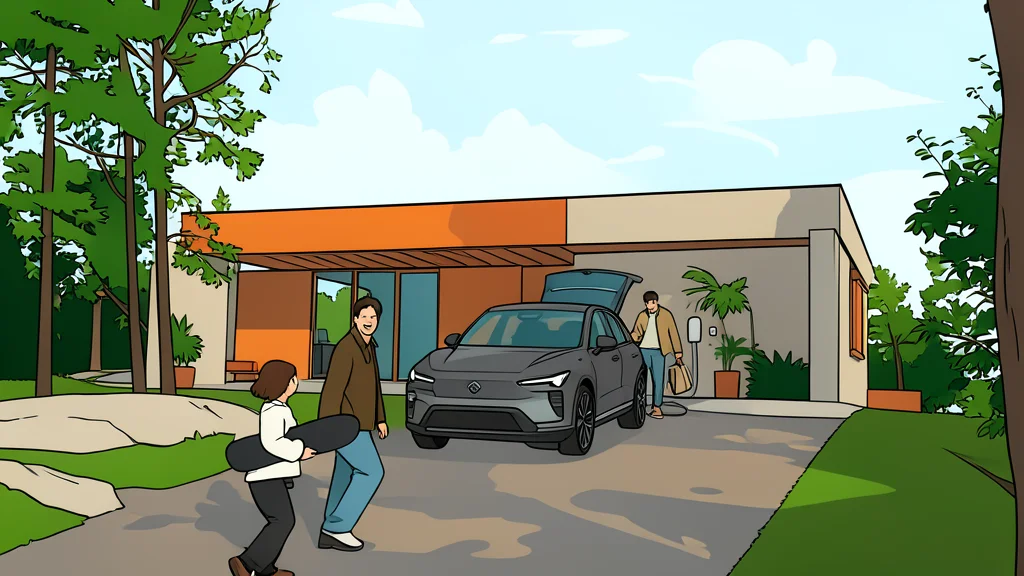
The primary appeal of the new Volvo models lies in their practicality. The average daily commute in the United States is approximately 41 miles. By offering 78 miles of electric range, the new XC60 covers a full day of work travel on battery power alone, with room to spare for errands. The larger XC90 will follow with 73 miles of electric range. These figures transform the plug-in hybrid from a niche option into a viable daily driver for many households, removing the need to visit a gas station for routine trips.
However, there is a trade-off. To achieve these ranges, Volvo has installed battery packs that were previously reserved for fully electric vehicles. This increases the vehicle's weight and cost. Additionally, while the electric range is impressive, the vehicle still relies on a 2.0-liter gasoline engine for longer journeys. Owners must still maintain the internal combustion engine, meaning oil changes and fuel purchases remain part of the ownership experience, unlike with a pure battery-electric vehicle.
Competing with extended-range electric vehicles
Volvo is not the only automaker looking to bridge the gap between gasoline and electricity. Ford and Stellantis have announced plans for extended-range electric vehicles, which use a combustion engine solely to generate electricity for the motors, rather than driving the wheels directly. These vehicles promise even greater electric ranges and the convenience of refueling at a gas station. However, these models have faced delays, with Stellantis pushing back its timeline and Ford’s next-generation trucks yet to appear on the market.
Until those competitors arrive, Volvo’s new hybrids may hold a distinct advantage in availability and refinement. The company argues that these vehicles serve as a crucial stepping stone for customers who are hesitant to abandon gasoline entirely. By providing a seamless electric driving experience for most daily needs, Volvo hopes to ease consumers into the electrified lifestyle without the anxiety associated with range limitations.
A strategic bridge to full electrification
Volvo executives describe this strategy as a deliberate move to capture customers who are not yet ready for a 100% electric vehicle. The company believes that by offering a vehicle that feels electric in daily use but retains the safety net of a gas engine, they can broaden their customer base. This approach acknowledges that infrastructure and consumer confidence are still evolving, and that a flexible powertrain is often more attractive than a rigid one.
The catch, however, is that this is a transitional technology. As battery costs drop and charging networks expand, the premium price of a large-battery hybrid may become less justifiable. Volvo is betting that the current market gap will allow these models to succeed, but the long-term viability of plug-in hybrids depends on how quickly the industry shifts toward cheaper, more efficient pure electric solutions.