Depowdering Solves a Hidden Bottleneck in EV Part Production
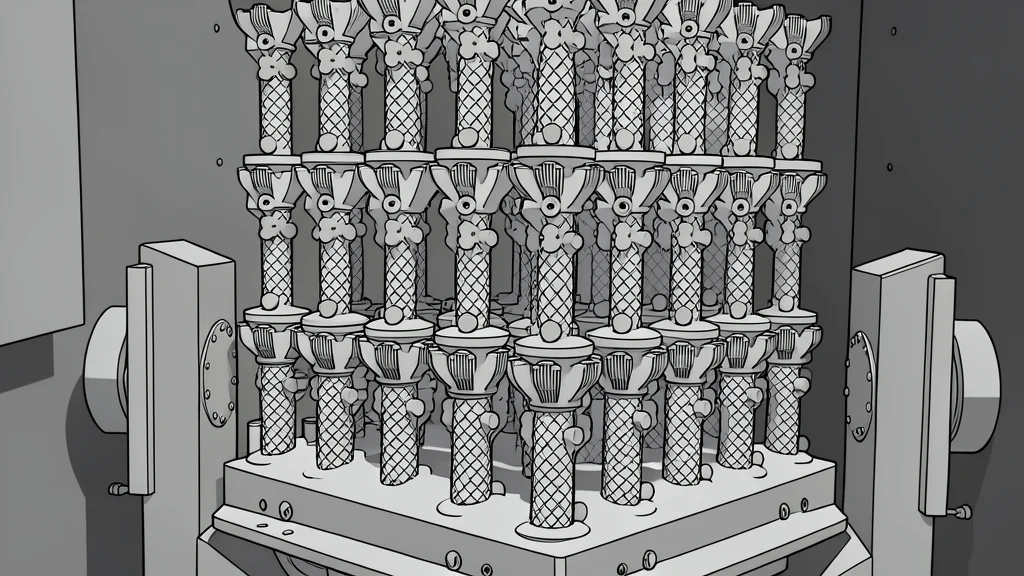
Electric vehicle makers are adopting 3D printing for complex parts, but removing the leftover powder from tiny internal channels has become a major logistical hurdle.
The transition to electric vehicles is reshaping how automakers approach component design. Because electric drivetrains require fewer moving parts than internal combustion engines, manufacturers are increasingly turning to additive manufacturing to create highly integrated components. These parts often feature complex internal structures, such as fluid channels for thermal management, which consolidate multiple functions into a single unit. However, this design flexibility introduces a significant production challenge that traditional manufacturing methods do not face.
The core issue is the removal of unused metal powder from these intricate geometries. Known as depowdering, this step is critical to ensure parts function correctly and safely. As noted in reporting by GN auto tech/ev: electric vehicle, this process is emerging as a key enabler for the technology’s widespread adoption. Without efficient depowdering, the economic and practical benefits of using 3D printing for these complex EV components remain limited.
Design complexity creates new manufacturing hurdles
ZF, a major automotive supplier, has shifted its perspective on additive manufacturing from an experimental tool to a strategic production asset. The company recognizes that electric vehicles demand components with high functional density in small spaces. This is particularly relevant for power electronics housing and thermal management systems. Traditional machining struggles to create parts with intersecting internal channels and varying wall thicknesses, making additive manufacturing the preferred method for these specific applications.
However, the very features that make these parts useful also make them difficult to clean. Valve units with small, winding internal paths are prone to trapping residual powder. If not fully removed, this powder can restrict fluid flow or cause clogs, leading to system failures. This creates a trade-off: while 3D printing allows for superior design freedom, it increases the post-processing effort required to achieve production-grade reliability.
Industry initiatives address the cleaning gap
To tackle this bottleneck, ZF is leading a project called nexAMo, in collaboration with technology partner Solukon. Supported by the German Federal Ministry for Economic Affairs and Energy, the initiative aims to develop a flexible production system that can handle smaller batch sizes and varied product designs. This approach addresses the industry trend toward shorter development cycles and higher product variety, which traditional mass-production lines handle less efficiently.
Solukon’s CEO, Andreas Hartmann, highlights that the EV sector faces unique pressures compared to traditional combustion engine manufacturing. The focus is not just on making parts, but on doing so under conditions that allow for rapid adaptation and quality control. By integrating advanced depowdering solutions into the manufacturing workflow, the project seeks to make additive manufacturing a viable option for high-volume automotive supply chains, not just for prototyping.
Economic viability depends on process efficiency
For additive manufacturing to scale in the automotive sector, the post-processing steps must be as efficient as the printing itself. If depowdering remains a manual or slow process, it undermines the cost advantages of producing complex parts in small batches. The nexAMo project represents a step toward automating this critical step, potentially unlocking the full potential of 3D printed components in electric vehicles.
The broader implication is that the future of EV manufacturing lies in solving these hidden logistical challenges. As companies like ZF and Solukon work to refine these processes, the industry may see a shift toward more sustainable and flexible production methods. This could lead to lighter, more efficient vehicles, provided that the technical hurdles of cleaning complex metal parts are overcome.