VW ID. Buzz Completes 92-Country World Record Tour
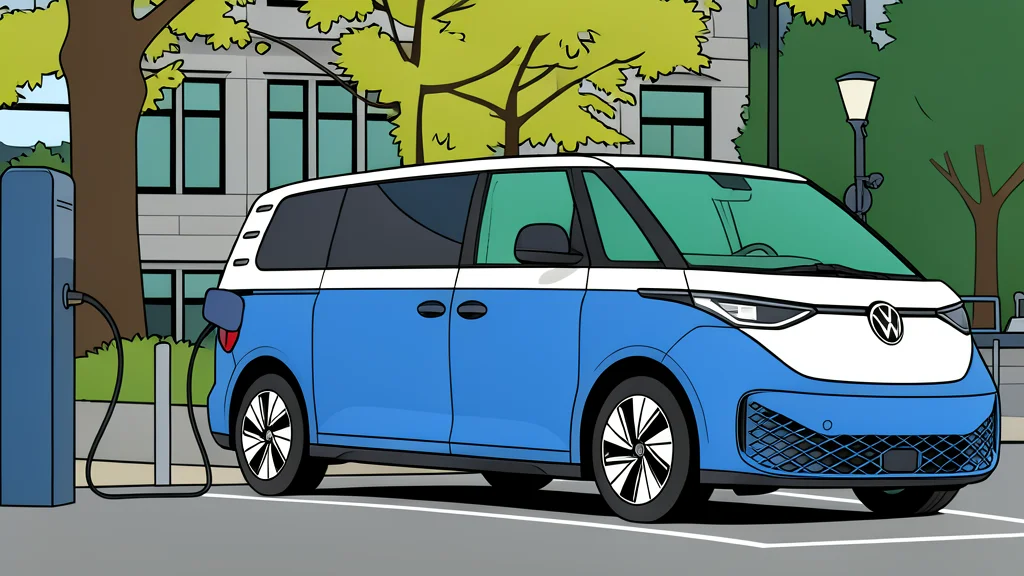
A production electric van covered 99,767 kilometers in 445 days, visiting 92 countries and ending with 95% battery health.
Key points
- Volkswagen ID. Buzz visited 92 countries in 445 days, covering 99,767 kilometers.
- TÜV Nord certified the battery retained 95.75% capacity after the global trip.
- The journey required 300 charging stops and 16 sea shipments due to infrastructure gaps.
A standard Volkswagen ID. Buzz has returned to Hanover after a 445-day journey spanning 99,767 kilometers. Driver Rainer Zietlow completed the trip on September 14, visiting 92 countries across six continents in a single continuous drive.
The achievement was officially certified by Guinness World Records at the IAA Transportation 2026 exhibition. It marks the ninth such record set by Zietlow in Volkswagen vehicles, validating the practicality of long-distance electric travel in a production model.
Charging Infrastructure Challenges
According to UA.NEWS, the route required over 300 charging stops and 16 sea shipments via container. While some regions like South Africa and Morocco offered suitable electric vehicle networks, others posed significant hurdles.
In Zambia and Tanzania, the absence of public charging stations meant the driver had to use national substations under strict supervision. This highlights a key trade-off: while the vehicle is technically capable, its range remains dependent on local grid infrastructure that is not yet universal.
Battery Performance Verification
Volkswagen reported no technical malfunctions during the entire trip. To verify this claim, the German inspection body TÜV Nord examined the vehicle upon its return.
The inspection found the high-voltage battery retained 95.75% of its capacity. This figure suggests that the extended wheelbase model with its 86 kWh usable battery can withstand the stress of continuous long-haul driving without significant degradation.
Vehicle Specifications and Limits
The ID. Buzz Pro used for the record has a WLTP range of 483 to 497 kilometers and supports 200 kW DC fast charging. This allows a 10% to 80% charge in under 30 minutes, but drivers must still plan routes carefully around available power sources.
The success of this tour does not eliminate the need for dense charging networks. It demonstrates that electric vans can operate globally, provided the infrastructure exists or alternative charging methods are accessible in remote areas.