South Korea Cuts EV Charging Costs by Half Using Solar Surplus
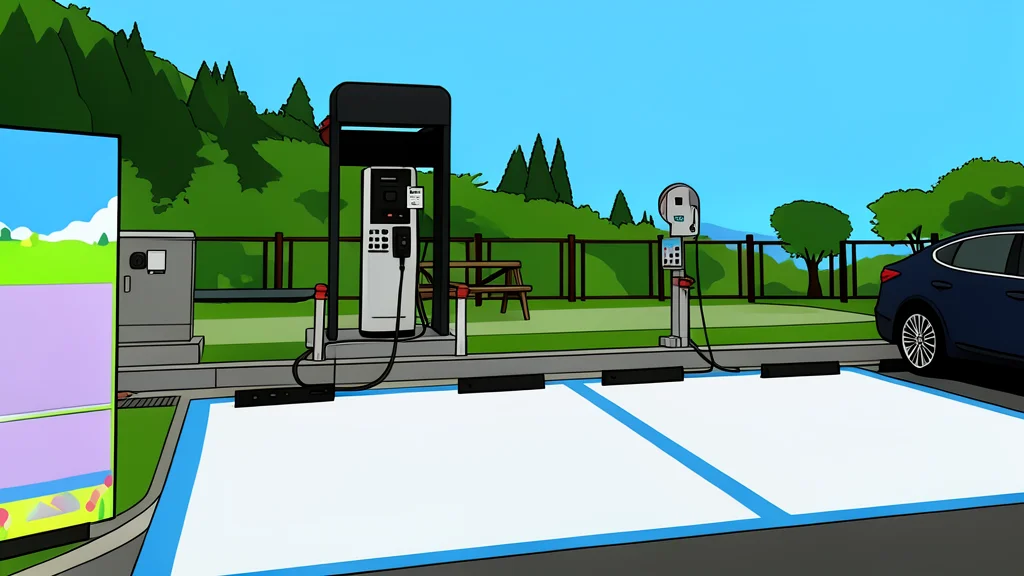
During the Chuseok holiday, daytime charging fees drop significantly as the government utilizes excess solar energy to offset grid costs.
Key points
- Daytime EV charging fees drop by 50% at state-run stations from 11 a.m. to 2 p.m. during the Chuseok holiday.
- KEPCO self-consumption chargers waive variable power charges entirely, leaving only the basic fixed fee for users.
- Nineteen mobile chargers are deployed at eight highway rest areas to manage demand, prioritizing vehicles with low battery.
South Korea is leveraging a temporary drop in industrial energy demand to reduce electric vehicle charging costs during the Chuseok holiday. The Ministry of Climate, Energy and Environment announced that daytime fees will decrease between November 24 and 27, specifically from 11 a.m. to 2 p.m. This timing aligns with peak solar generation, allowing the grid to absorb renewable energy that might otherwise be wasted.
The move aims to make sustainable transportation more affordable while balancing the electrical load. By encouraging EV owners to charge during hours when solar output is high, the state can utilize cleaner power sources. However, the benefits are not uniform across all charging infrastructure, creating a complex landscape for drivers seeking the best rates.
State-run stations offer significant savings
Drivers using the 102,000 self-consumption chargers supplied directly by Korea Electric Power Corporation will see their variable power quantity charges waived entirely during the designated hours. This means they only pay the basic fixed fee, regardless of how much energy they draw. For the approximately 18,000 public chargers operated by the ministry and KEPCO, the fee for a standard 100-kilowatt unit drops by 50 percent, falling from 348.4 won to 174.2 won per kilowatt-hour.
Private operators face inconsistent discounts
While private charging stations are expected to lower their rates due to reduced wholesale power costs, the specific discount amounts and application methods vary by business operator. According to chosun.com, users cannot assume a uniform reduction and must check individual provider websites to confirm the exact pricing structure. This lack of standardization requires extra effort from consumers to maximize their savings, a trade-off for the flexibility of the private market.
Mobile units target highway congestion
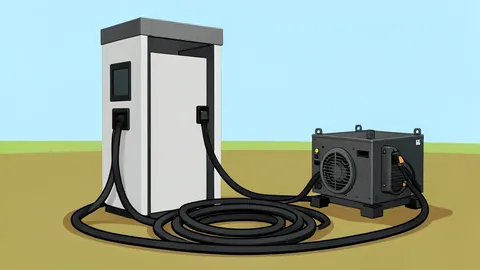
To address potential charging bottlenecks during the holiday travel rush, the ministry is deploying 19 mobile chargers to eight highway rest areas. These locations include Hanam Dream, Hongcheon, Chuncheon, Gujeong, Songnisan, and Buyeo Baekje. Each vehicle can draw up to 20 kilowatt-hours, with priority access granted to cars with battery levels below 50 percent, ensuring that the most critical needs are met first.