Waymo Robotaxis Begin Operating in Las Vegas
Waymo has launched its driverless ride-hailing service in Las Vegas, initially serving the area around the famous Strip. The rollout marks a significant expansion for the Alphabet-backed company, though the service area is currently restricted to a specific zone.
For the first time, residents and visitors in Las Vegas can book rides in fully autonomous vehicles operated by Waymo. The service launch follows recent regulatory approvals in Nevada and joins a growing list of cities where driverless cars are becoming a viable transportation option. However, the initial availability is not city-wide, creating a specific limitation for users located outside the designated zone.
The company has defined the initial service area as a 24-mile radius surrounding the Las Vegas Strip. This geographic constraint means that while the technology is present in the city, it is not yet accessible to everyone. Waymo has indicated plans to expand coverage to the broader Clark County region in the future, but for now, the convenience is limited to those in the immediate vicinity of the city's main entertainment corridor.
Vehicles Built for Harsh Conditions
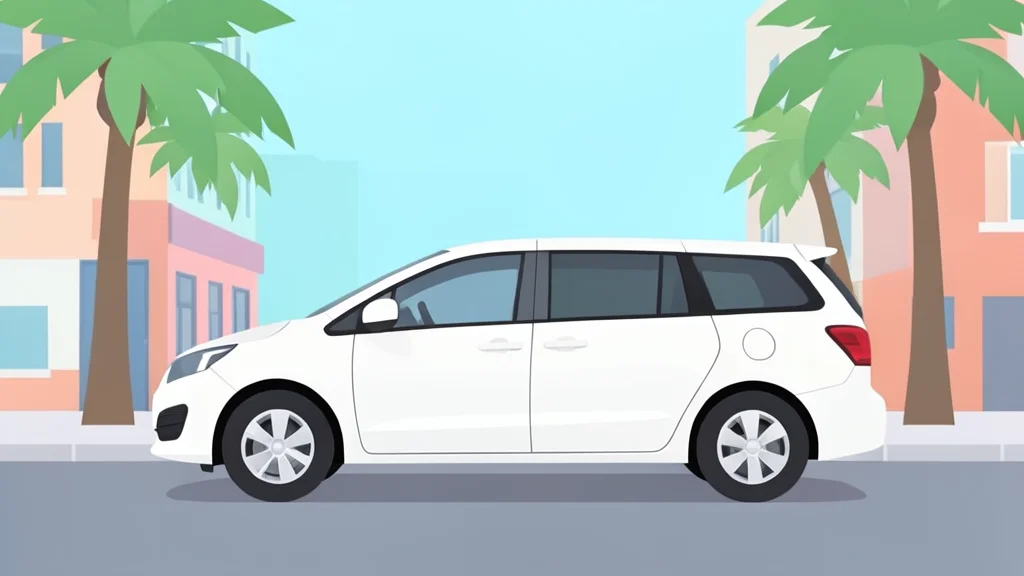
The fleet deployed in Las Vegas consists primarily of Ojai all-electric minivans. These vehicles are equipped with sixth-generation Waymo Driver hardware, which is specifically designed to handle challenging environmental factors. The choice of electric minivans reflects a focus on passenger capacity and range, but the reliance on specific hardware also means the system is tailored for certain weather scenarios that are common in the region.
While the technology is advanced, the expansion does not make Waymo the sole provider of autonomous rides in the city. The Nevada Transportation Authority recently granted permits to Tesla and Uber for similar services. This means the local market is becoming competitive, with multiple companies vying for users who want to experience driverless travel. For consumers, this competition may lead to better pricing and service options, but it also introduces a complex landscape of different autonomous systems operating in the same streets.
A Competitive Landscape Emerges
Zoox was actually the first to launch a robotaxi service in Las Vegas in September of last year. By the time Waymo arrived, the market was already active. This sequence of events highlights the rapid pace of adoption in the region. The presence of multiple operators suggests that the regulatory environment in Nevada is becoming more favorable for autonomous vehicles, but it also raises questions about standardization and user experience consistency across different providers.
As reported by Engadget, Waymo’s entry into Las Vegas is part of a broader strategy that includes recent launches in Denver, San Diego, and Tampa. The company has also expanded internationally, with operations in Munich, Germany. This global footprint indicates a confidence in the technology’s adaptability, but each new location presents unique challenges related to local traffic patterns, regulations, and public acceptance. The success in Las Vegas will be a key indicator of how well the system performs in a high-traffic, tourist-heavy environment.
Regulatory Approval Sets the Stage
The launch was made possible by the Nevada Transportation Authority’s approval of Waymo’s application for an Autonomous Vehicle Network Company permit. This regulatory step is crucial for legal operation in the state. The same authority also approved Tesla and Uber, signaling a broader state-level acceptance of autonomous vehicle networks. While this opens the door for innovation, it also places the burden on these companies to ensure safety and reliability in a densely populated urban area.
For users, the immediate catch is the limited service area. If you are staying in the suburbs of Las Vegas, you may not yet be able to access these rides. The trade-off for early access in the Strip area is the potential for higher demand and congestion. As the service expands, these issues may evolve, but for now, the experience is a preview of what autonomous transportation could become in one of the world’s busiest cities.