Michigan Allocates Funds for Clean Transport Testing
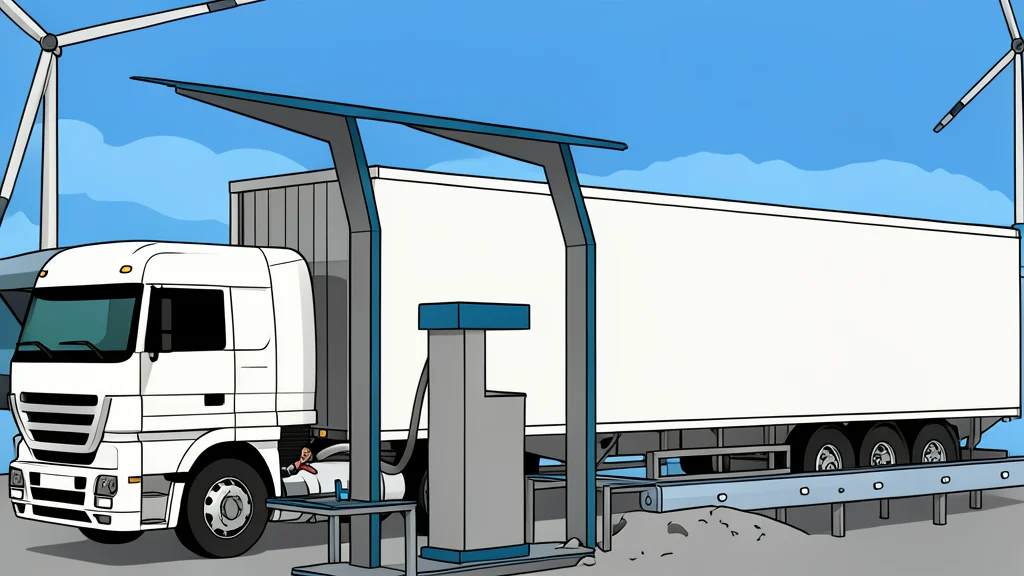
Ten projects in Michigan will test hydrogen and electric systems with $1.5 million in state grants.
Michigan has awarded $1.5 million to ten initiatives designed to test clean transportation technologies in real-world conditions. The funding, announced by Governor Gretchen Whitmer, supports projects ranging from hydrogen fueling infrastructure to electric vehicle charging systems. This move aims to accelerate the transition from pilot programs to commercial deployment.
The grants are distributed through the Michigan Mobility Funding Platform, managed by the state’s Office of Future Mobility and Electrification. According to reporting from GN auto tech/ev: electric vehicle, the strategy focuses on practical applications rather than theoretical research. By targeting specific operational challenges, the state hopes to identify which technologies are viable for widespread use.
Hydrogen Trucks Face Real-World Tests
A significant portion of the funding goes to hydrogen energy applications. Detroit Hydrogen Exchange will use $250,000 to convert a heavy-duty refuse truck to run on hydrogen fuel cells. This project tests the vehicle under municipal operating conditions, providing data on reliability and performance in a busy urban environment. Such tests are crucial for understanding the daily wear and tear of hydrogen-powered logistics.
Neology will also receive $250,000 to establish a hydrogen production and refueling site in Detroit. This facility will serve medium- and heavy-duty vehicles, addressing the critical need for accessible fueling infrastructure. Without reliable refueling stations, the adoption of hydrogen trucks remains limited. This project seeks to bridge that gap by creating a local supply chain for clean fuel.
Charging Solutions for Limited Grid Capacity
Electric vehicle charging presents unique challenges in areas with limited electrical capacity. OpenRoad Technologies will use $135,000 to validate a battery-buffered Level 3 charging system. This technology allows for fast charging without requiring massive upgrades to the local power grid. It offers a practical solution for locations where installing high-capacity chargers is otherwise impossible.
AmHyTech will test a modular ammonia-to-hydrogen refueling station with a $115,000 grant. This approach explores alternative methods for generating hydrogen on-site, potentially reducing the complexity of supply chains. These projects highlight a broader trend toward decentralized energy solutions that can adapt to varying local infrastructure constraints.
Diversified Funding Supports Broader Mobility
The funding portfolio extends beyond vehicle propulsion to include broader mobility and infrastructure needs. Motmot will use $75,000 to inspect underground water infrastructure using underwater robotics. This application demonstrates how mobility technology can intersect with critical public services. The state also supports projects in traffic signal optimization, autonomous vehicle safety, and accessible transportation.
These grants are part of a larger effort to modernize Michigan’s transportation ecosystem. By supporting a diverse range of technologies, the state reduces the risk of relying on a single solution. The goal is to create a resilient and efficient mobility network that can adapt to future demands. This diversified approach ensures that the state remains competitive in the evolving clean transportation sector.