Whiteville Gains New Electric Vehicle Charging Hub
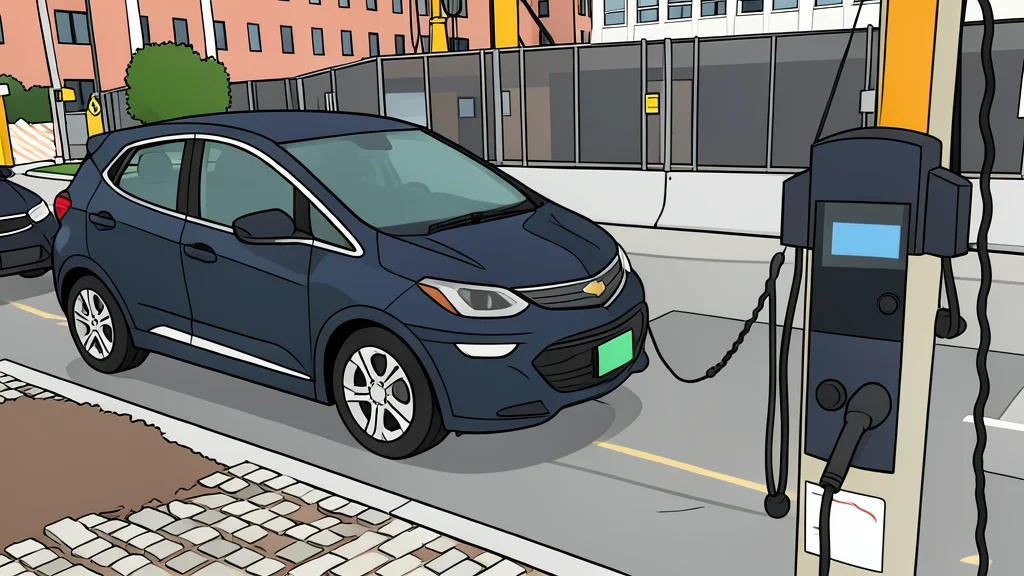
A new charging station is coming to Whiteville as part of a broader state effort to expand electric vehicle infrastructure along major travel routes.
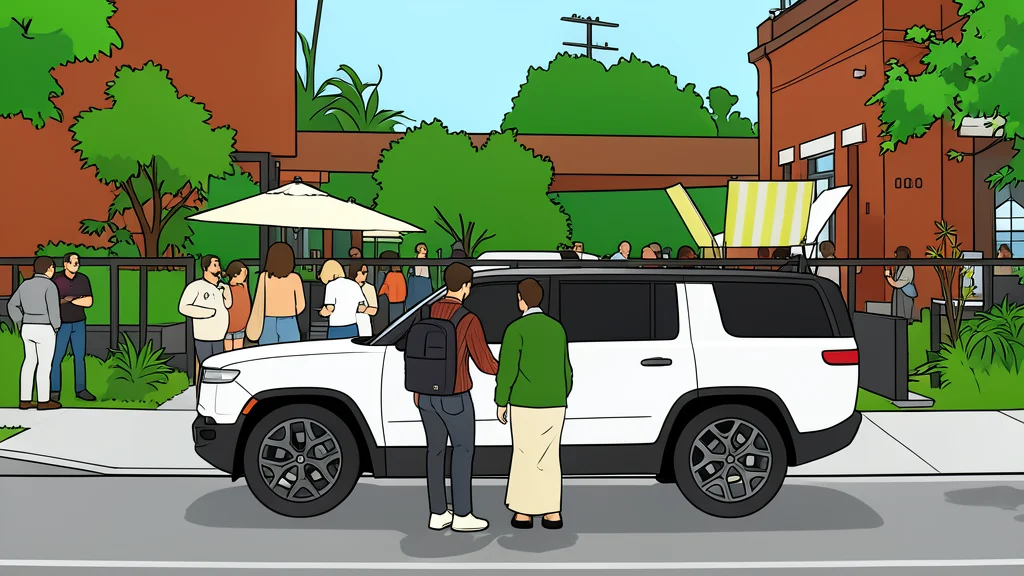
Drivers in Whiteville will soon have access to a new electric vehicle charging station at 314 Washington Street. The North Carolina Department of Transportation announced that PowerUp LLC has secured a $1.7 million award to install six charging ports at the site. This development is part of a second round of state funding designed to boost charging availability across the region.
According to GN auto tech/ev: electric vehicle, the project is one of fourteen stations funded statewide in this latest phase. The investment is drawn from North Carolina's share of the National Electric Vehicle Charging Infrastructure Program, which aims to create a reliable network of chargers along interstates and in local communities.
Statewide Network Expansion
The state has allocated $14.4 million to eight different businesses for this round of construction. This brings the total number of stations planned under this specific funding stream to fourteen, spanning cities such as Raleigh, High Point, and Kinston. These new sites will join five other stations funded in 2024, creating a more interconnected grid for electric vehicle owners.
Federal grants through the NEVI program cover the costs of procuring, installing, and operating the equipment. In total, North Carolina has received $109 million in federal funds to partner with private operators. The goal is to ensure that drivers can travel confidently across the state without worrying about range limitations.
Growth in Vehicle Registration
State officials note that the number of registered electric vehicles in North Carolina is steadily rising. Heather Hildebrandt, the State Initiatives Manager at NCDOT, emphasized that expanding the charging network supports a cleaner transportation economy. By making infrastructure more accessible, the state hopes to reduce barriers for both current and potential electric vehicle adopters.
However, the rollout is not immediate. The full network funded by this program is expected to be complete within three years. This timeline reflects the time needed for site preparation, equipment delivery, and installation. Drivers should plan accordingly as the infrastructure develops phase by phase.
Future Rural Focus
While the current focus is on major travel corridors and urban centers, future phases of the program will address different needs. NCDOT plans to place chargers in rural areas and smaller communities that have greater demand but currently lack access. This approach ensures that the benefits of electric transportation are distributed more evenly across the state's geography.