Wireless Charging Pads Aim to Simplify EV Power

A new wireless charging pad promises to eliminate the need for cables, allowing drivers to charge their vehicles simply by parking on a concrete surface.
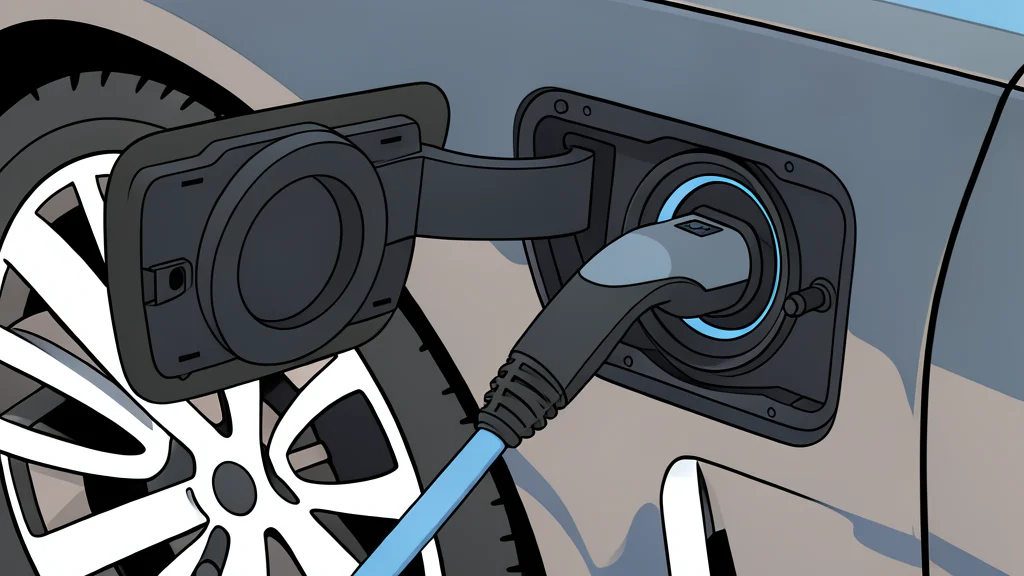
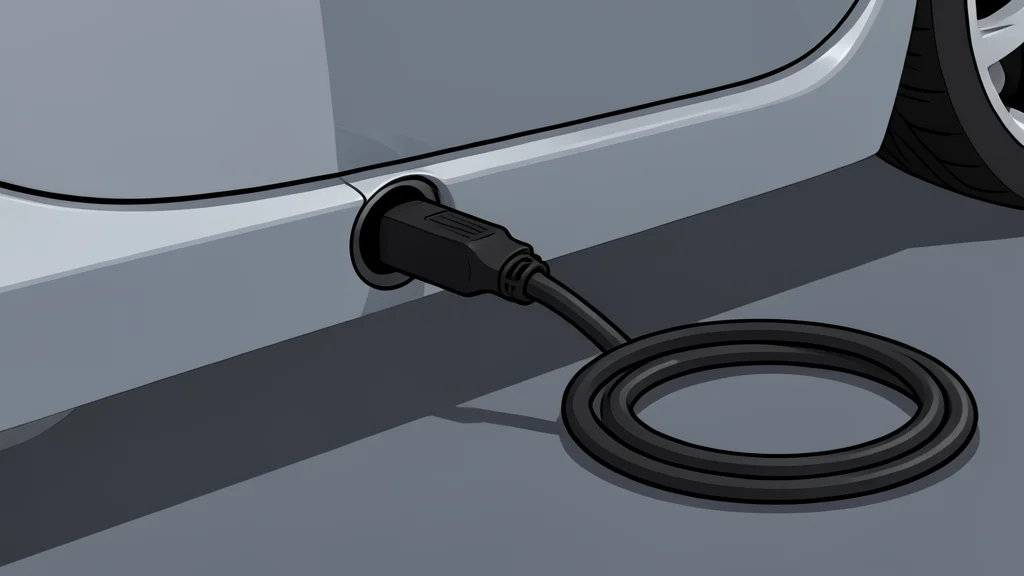
An Israeli company has unveiled a wireless charging solution designed to remove the physical hassle of plugging in electric vehicles. Electreon Wireless introduced its Lite DOT product at the IAA Transportation event in Hanover, Germany. The system allows drivers to park directly over an embedded pad to initiate charging automatically, removing the need to handle cables or connectors.
The company claims this approach makes charging as simple as the act of parking itself. According to reporting from GN auto tech/ev: electric vehicle, the device is intended for both passenger cars and light commercial vehicles. It can be installed indoors or outdoors, positioning itself as a potential replacement for traditional plug-in stations in high-traffic areas.
Installation Avoids Major Construction
One of the primary selling points of the Lite DOT is its ease of deployment. The manufacturer states that the unit can be installed within a standard parking space without the need for extensive excavation work. This modular design allows for quick setup on existing surfaces, which is a significant advantage over buried charging infrastructure that often requires heavy civil engineering.
The system is capable of delivering up to 11 kilowatts of power, which is sufficient for overnight or workplace charging scenarios. While it may not match the speed of high-power DC fast chargers, the convenience of automatic identification and power delivery addresses a key friction point for many drivers who find manual plugging cumbersome or difficult.
Addressing Global Charging Shortfalls
The push for wireless technology comes against a backdrop of rapidly growing demand. Electreon cited data from the International Energy Agency indicating that the world will require approximately 150 million additional charging points by the end of the decade. Meeting this target with traditional cabled stations presents logistical and cost challenges, particularly in urban environments where space is limited.
The company believes that wireless charg will eventually become a standard feature in the automotive ecosystem. They have also developed a wireless charging highway concept, suggesting a broader vision for cable-free mobility. Industry interest from major automakers and suppliers indicates that the technology is moving from prototype to practical application, though widespread adoption remains a future goal rather than a current reality.
Practical Limits of Wireless Power
Despite the convenience, there are trade-offs to consider. Wireless charging is generally less efficient than direct plug-in charging due to energy loss during transmission. Additionally, the 11-kilowatt power limit means it is not suitable for rapid top-ups on long road trips. For now, this technology is best viewed as a complement to existing infrastructure, ideal for home, work, or retail parking lots where vehicles are stationary for extended periods.