Your Electric Car Can Keep the Lights on During Outages
Engineers are testing a system that lets homeowners draw power from their electric vehicles to run appliances when the grid fails or prices spike.
For most homeowners, a power outage means scrambling for candles or relying on a generator. But a growing group of residents in California is taking a different approach by plugging their electric vehicles into their homes. This technology, known as vehicle-to-home or V2H charging, allows the battery inside a car to act as a temporary power station for lights, air conditioning, and other appliances.
The initiative is being led by engineers at UC Irvine, who are working with partners like Kia, KB Home, and Wallbox to make this setup a standard feature rather than a niche experiment. The goal is to transform the electric car from a simple mode of transport into a central component of household energy management, providing a backup during grid failures or a way to avoid high electricity rates during peak evening hours.
Real-world testing in a sustainable community
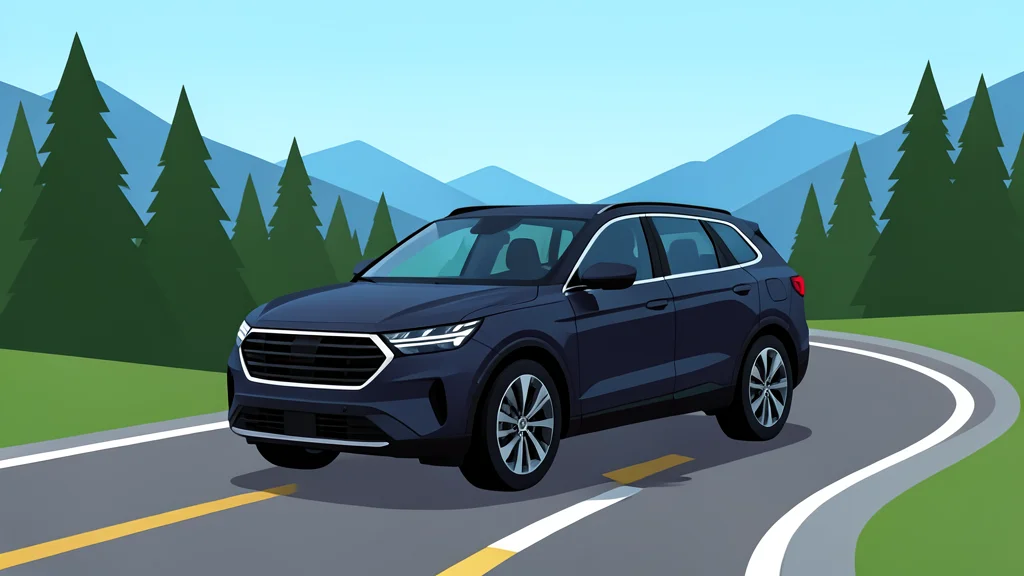
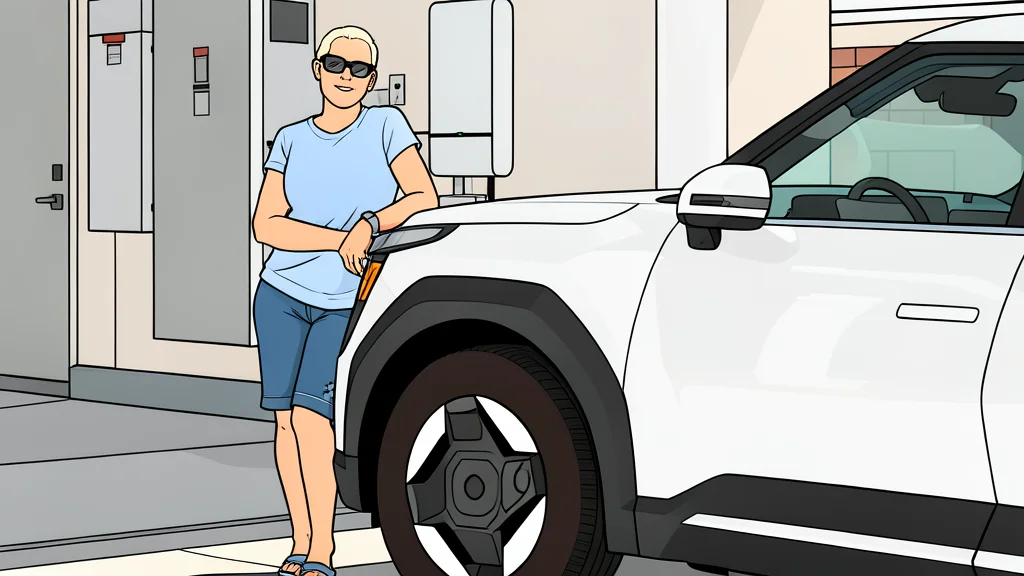
The pilot program is currently active in the Shadow Mountain subdivision in Menifee, California. This community was designed by KB Home as a test bed for microgrid technologies, featuring solar panels on many of its 200-plus homes. Roberta Howell, a resident and V2H pioneer, was selected through a lottery to participate in the study. She received a lease on a fully electric Kia EV9, with the condition that she shares data on how her home interacts with the vehicle's battery.
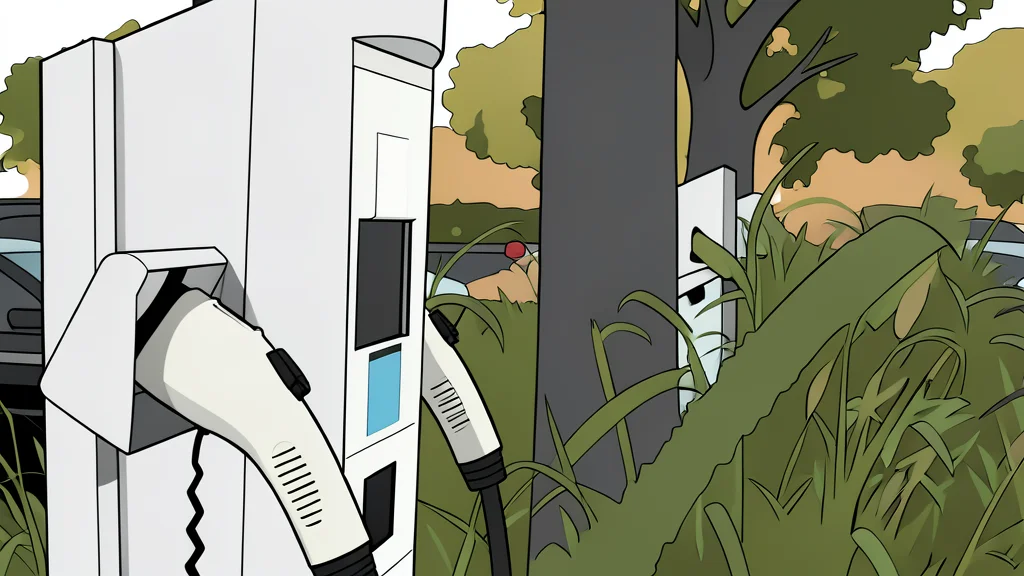
Howell, who is 70 years old, notes that the transition to a fully electric home required adjusting to new technologies, such as induction cooking. Her participation in the program involves using a Wallbox bidirectional charger installed in her garage. This device allows energy to flow in both directions: from the grid to the car for charging, and from the car to the house when needed. In exchange for using the vehicle, she provides valuable real-world data to researchers at UC Irvine's Advanced Power and Energy Program.
User experience remains a key challenge
Despite the technical potential, early data from the pilot revealed a significant hurdle: user adoption. Scott Samuelsen, the founding director of the Advanced Power and Energy Program, noted that Howell did not use the V2H system as intended during the first few weeks of the trial. This finding highlights a critical trade-off in the technology: while the hardware works, the software interface and user education are often lagging behind. If the system is too complex or unintuitive, homeowners may not realize the financial or reliability benefits they are paying for.
The researchers are now focusing on simplifying the user interface to ensure that consumers can operate the system with minimal effort. The ultimate aim is to determine if V2H provides added value to the average household. If successful, this technology could reduce reliance on the main grid and lower energy costs, but it requires a seamless integration that feels natural to the end user, not just a technical novelty.
Regulatory and structural hurdles persist
While the technology is advancing, widespread adoption faces non-technical barriers. The collaboration between UC Irvine and its partners is also addressing structural and regulatory issues that currently limit V2H usage. Standard electrical codes and utility regulations were not originally designed to accommodate two-way power flow from a vehicle to a home. Overcoming these bureaucratic and safety-related obstacles is essential for making V2H a commonplace part of daily life rather than an experimental feature for a select few.