US Federal Cuts Stall EV Charging Expansion
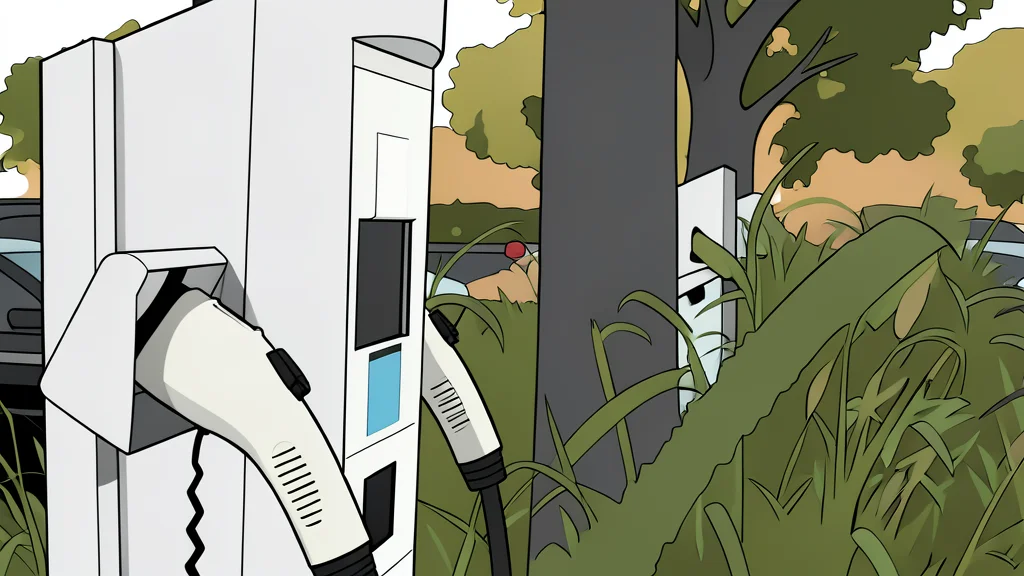
Federal budget moves and staff reductions are halting the rollout of electric vehicle charging stations, leaving many planned projects in limbo.
The coordinated build-out of electric vehicle charging infrastructure in the United States is facing significant disruption. A recent report indicates that federal staff cuts and legislative proposals have stalled the implementation of two major grant programs designed to expand access to charging stations. This pause affects both highway corridors and community areas, leaving drivers and state officials without a clear path forward for new installations.
The National Electric Vehicle Infrastructure (NEVI) and Charging and Fueling Infrastructure (CFI) programs were intended to distribute billions of dollars to states and local communities. However, administrative actions have frozen disbursements and raised legal challenges. The result is a fragmented landscape where some stations are operational, while many others remain unbuilt due to funding uncertainty and bureaucratic delays.
Funding flows face sudden stops
The NEVI program, which allocates $5 billion for highway charging stations, and the CFI program, with $2.5 billion for broader deployments, have both been hit by federal reversals. An executive order issued in early 2025 directed an immediate pause on grant disbursements for both initiatives. Subsequently, the administration proposed canceling over $4 billion in remaining unobligated funds. These moves have created a financial vacuum that state agencies cannot easily fill, effectively freezing construction plans that were already in motion.
Legislative efforts are intensifying the uncertainty. Several bills currently under consideration in Congress aim to terminate these programs entirely or transfer their remaining funds to other highway projects. Conversely, other proposals seek to restore the canceled funds or establish new grant mechanisms. This legislative tug-of-war leaves state transportation departments in a state of limbo, unable to commit to long-term infrastructure projects without knowing if the money will even be available next year.
Operational gaps emerge in states
Despite the federal pause, some progress has been made before the disruptions took full effect. Estimates suggest that approximately 183 NEVI charging stations have opened across twenty states, with Pennsylvania leading the count. Meanwhile, 147 CFI projects received awards in various regions, including rural and underserved communities. However, the total number of operational stations funded by CFI remains unclear. The inconsistency in reporting and the halt in new approvals mean that the actual coverage on the ground is far less comprehensive than originally projected.
The operational impact is compounded by staffing reductions at federal agencies responsible for administering these grants. The Department of Transportation and related offices have faced workforce cuts that impair their ability to process state applications and oversee project compliance. This administrative bottleneck slows down the few projects that are moving forward, creating a bottleneck that affects drivers who rely on predictable charging availability along their routes.
Legal and compliance hurdles grow
Legal challenges are also reshaping the timeline. Multiple states have filed lawsuits against the federal government, challenging the pause on CFI funds and the cancellation of grants. These cases, which were ongoing as of mid-2026, add a layer of judicial uncertainty to an already complex regulatory environment. Simultaneously, proposed domestic-content requirements for charging equipment have raised concerns. Analysts note that current market offerings may not meet the strict local manufacturing standards proposed, which could effectively block future deployments if these rules are enforced without transition periods.
According to GN auto tech/ev: electric vehicle, the situation represents a critical test for the nation's energy transition goals. The interplay between executive orders, congressional bills, and court rulings means that the rollout of EV infrastructure is no longer a straightforward engineering task but a highly political and legal contest. For consumers, the catch is that the promised expansion of charging networks is becoming less certain, with potential long-term gaps in coverage that could hinder the adoption of electric vehicles.