Asus Zephyrus G16 2026 Costs over $5,000 for RTX 5080 Model
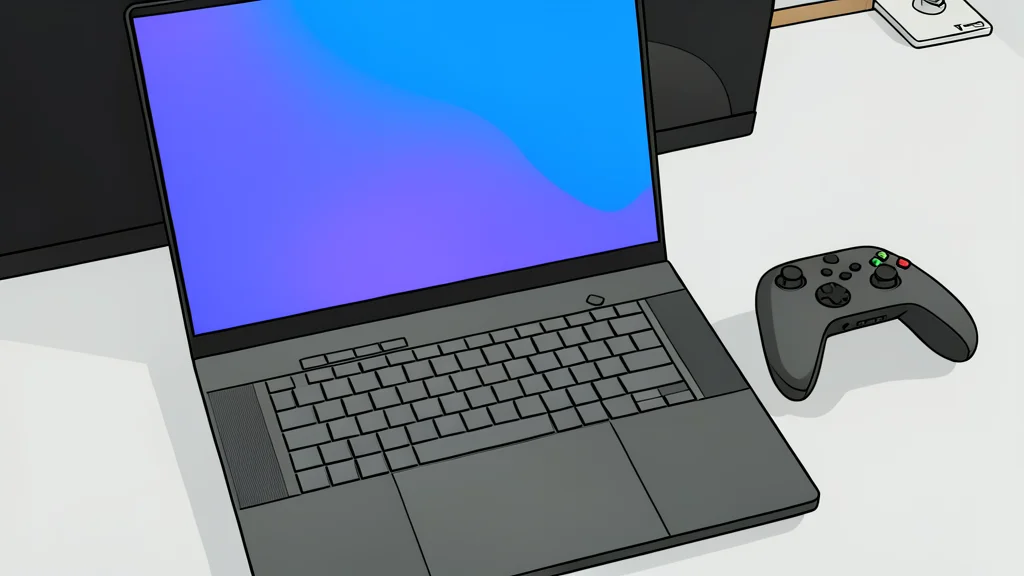
The new gaming laptop offers better battery life and a brighter OLED screen, but comes with a steep price increase and louder fans.
Key points
- The 2026 Asus ROG Zephyrus G16 features Intel's Panther Lake chip, which prioritizes battery efficiency over raw CPU speed.
- The top-tier model with an RTX 5080 and 64 GB RAM costs over $5,000, exceeding the price of the previous generation.
- Memory is soldered and non-upgradable, requiring buyers to choose their final configuration before purchase.
Asus has released the 2026 edition of its ROG Zephyrus G16, a high-end gaming laptop that maintains its slim design while upgrading key internal components. The primary goal of this refresh is to extend battery life and improve display quality without altering the physical chassis.
However, the improvements come with significant trade-offs. While the machine is more efficient and brighter, it is now louder under load and carries a price tag that exceeds the previous generation, despite offering a less powerful graphics card in the top-tier configuration.
Efficiency gains drive longer battery life
The laptop now features Intel's new Panther Lake processor. According to notebookcheck.net, this chip does not dramatically increase raw computing speed compared to the previous generation. Instead, its main advantage is improved power efficiency, which translates directly into much longer battery runtimes for everyday tasks.
This shift prioritizes endurance over peak performance. For users who rely on the device for work or media consumption away from a power outlet, this efficiency boost is the most practical upgrade in the 2026 lineup.
Brighter display and louder cooling fans
Asus has also upgraded the screen to a 240 Hz OLED panel that is significantly brighter than its predecessor. This improvement is particularly beneficial for watching high-dynamic-range content. However, the cooling system has been tweaked to allow the graphics card to draw more power, up to 135 watts, from the previous 120 watts.
This increased power draw results in slightly better gaming performance, but it forces the fans to spin faster. The trade-off is a noticeable increase in noise levels during heavy usage, which may be distracting in quiet environments.
High cost and limited upgrade options
The most significant drawback is the pricing. The top-spec model, equipped with an RTX 5080 graphics card and 64 GB of memory, costs more than $5,000. This is higher than the 2025 version, which retailed for $4,699 but included the faster RTX 5090 card.
Buyers must also consider that the memory is soldered to the motherboard and cannot be upgraded later. This forces a decision at the point of purchase, making the high upfront cost a permanent commitment rather than a temporary outlay.