Mr. Nutz and Hoppin Mad Arrive on SNES and Genesis in 2027
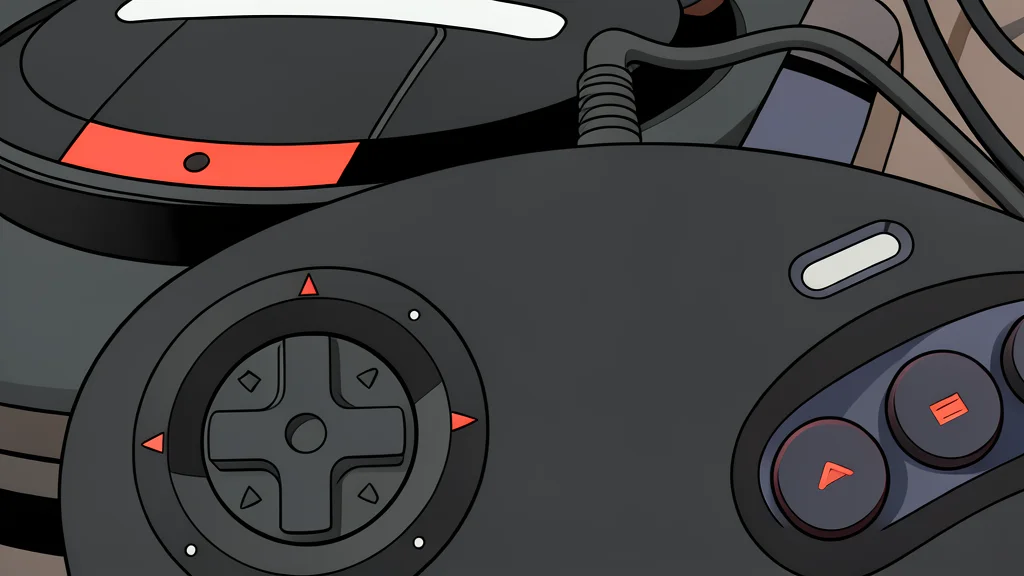
Two long-unreleased platformer titles will launch as premium physical cartridges for 16-bit systems next year, priced at $49.99 each.
Key points
- Mr. Nutz and its sequel Hoppin Mad are set for physical release on SNES and Sega Genesis in 2027.
- Hoppin Mad was previously exclusive to the Amiga computer and never officially ported to 16-bit consoles.
- Each game will cost $49.99 USD and is sold separately by Atari and Strictly Limited.
Two iconic 16-bit consoles, the Super Nintendo and the Sega Genesis, are scheduled to receive new official physical game releases in 2027. The titles are the original Mr. Nutz and its previously unported sequel, Mr. Nutz: Hoppin Mad, both of which have been largely absent from these specific hardware platforms for decades.
According to Comic Book Resources, this move marks a significant shift for retro gaming, as it brings a franchise that was previously locked out of the Genesis library in North America and Europe to the system for the first time. For SNES owners, the sequel represents a release that was never intended for the console in the first place, offering a unique piece of gaming history that was previously inaccessible to the general public.
Long-missing titles return to 16-bit hardware
The original Mr. Nutz launched on the Super Nintendo in 1993 and was later ported to several other devices, including the Game Boy Color and the Mega Drive. However, it was never officially sold as a physical cartridge for the Sega Genesis in North America or Europe. Players in those regions could only access the game through the limited Sega Channel service, leaving a significant gap in the system's official library.
The sequel, Hoppin Mad, faced an even more restrictive release history. Developed by Philippe Dessoly and Pierre Adane, the game was exclusively released for the Amiga personal computer. Although plans existed to port it to the Genesis and Mega Drive in 1995, those efforts never materialized. As a result, the game has remained virtually unplayable for most modern gamers who do not own an Amiga.
Premium packaging comes with a price tag
Atari and Strictly Limited are handling the production of these new releases, which are described as premium physical editions. The games will be sold separately rather than as a bundle, with each cartridge carrying a retail price of $49.99 USD. This pricing strategy positions the titles as collector's items rather than budget-friendly retro options, a trade-off that may deter casual buyers who are accustomed to lower prices for used or standard new retro games.
Pre-orders are already open for both PAL and NTSC regions, with a general release window set for sometime in 2027. The specific release date has not been finalized, meaning fans must wait for further confirmation before the hardware hits store shelves. This delay adds a layer of uncertainty for those hoping to secure a copy on day one, as the production process for limited-run physical media can often be complex.
Completing the era's mascot platformer lineup
The arrival of Mr. Nutz on the Genesis fills a notable hole in the system's roster of mascot platformers. For years, the console has been associated with other stars like Sonic the Hedgehog and Ristar, but Mr. Nutz was conspicuously absent from the official cartridge lineup. This release finally aligns the system's available titles with the broader 16-bit era, allowing players to experience the full range of classic platforming mechanics without relying on emulation or rare imports.
For SNES fans, the inclusion of Hoppin Mad is equally significant. The game was never intended for the console, making this a rare case of a title crossing over from a single-platform exclusive to a multi-system release. This expansion of the SNES library provides a fresh perspective on the era's design philosophy, showcasing how different hardware constraints and publisher decisions shaped the games players actually got to experience in the 1990s.