China Targets 50 Million kW from Vehicle-To-Grid by 2030
Shanghai trials show private chargers leading grid support, but pricing and battery concerns persist.
Key points
- Shanghai V2G trials show private chargers supply over 81% of grid discharge sessions.
- China aims for 50 million kW of V2G capacity by 2030 under its Five-Year Plan.
- Pricing rules and battery degradation concerns remain key barriers to widespread adoption.
China is accelerating the deployment of vehicle-to-grid (V2G) technology, aiming to integrate electric vehicles into the national power supply by 2030. This shift moves beyond small-scale pilots toward a system where millions of cars can actively balance electricity demand.
A recent trial in Shanghai demonstrated this capability, with privately owned chargers supplying the majority of electricity back to the grid. While promising, experts note that unresolved issues regarding battery health and market pricing remain significant hurdles to widespread adoption.
Private chargers lead grid support
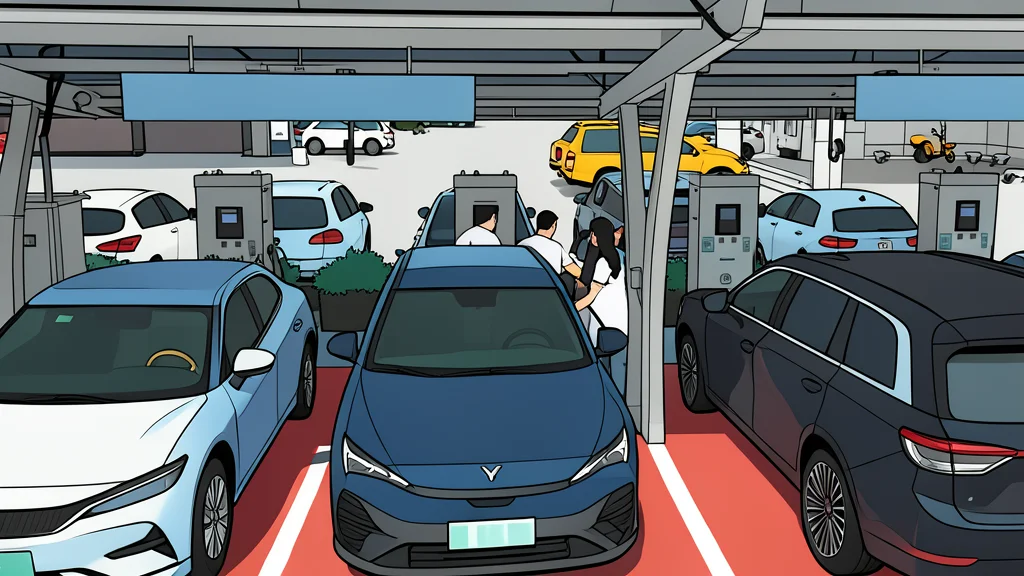
According to China Daily Global Edition, a September exercise in Shanghai recorded a peak response capacity of 34,600 kilowatts. For the first time, private charging points provided most of the discharge sessions, accounting for 81.25 percent of the total. This marks a strategic shift from relying solely on public commercial stations to leveraging the massive installed base of home chargers.
Ambitious capacity targets set
Under the 15th Five-Year Plan, China aims to reach an aggregated flexible charging capacity of 50 million kilowatts by 2030. State Grid estimates that if just 10 percent of new energy vehicles participate in V2G programs, they could provide up to 86 million kilowatts of capacity. This would significantly enhance the grid's ability to handle peak demand without building new power plants.
Barriers to commercial deployment
Despite technical progress, economic and technical frictions persist. Current market rules require users to pay transmission charges for charging, but these costs are not offset when electricity is sold back. Additionally, automakers remain cautious due to concerns over battery degradation and warranty obligations, even though experts argue that current V2G usage is within safe battery cycle limits.