Blind Player Uses NFC Tags to Play Magic: The Gathering
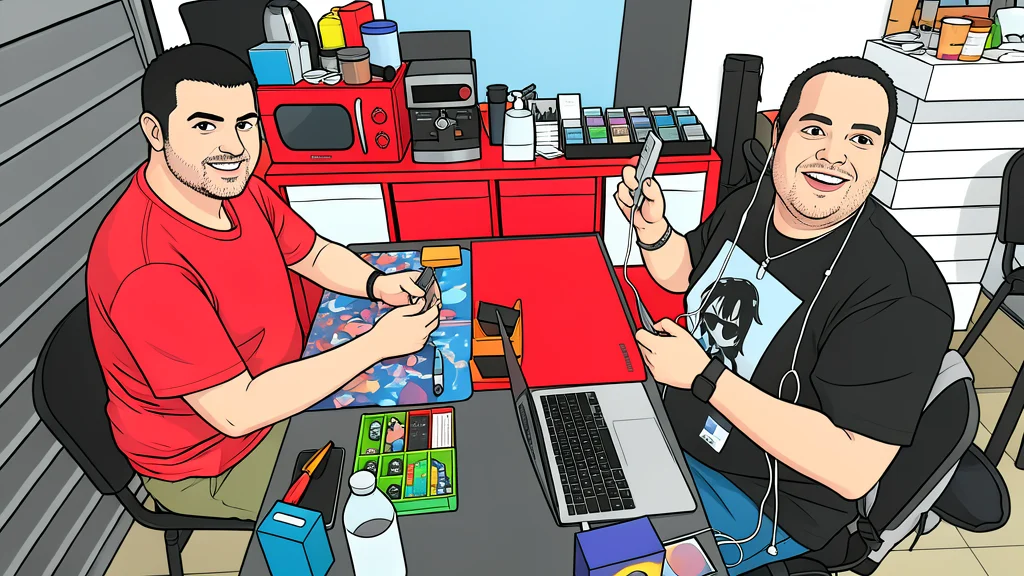
Cristian Amores bypasses visual barriers in card games using NFC tags, highlighting a broader industry gap in accessible design.
Key points
- Cristian Amores uses NFC tags and a smartphone to read Magic: The Gathering cards.
- Official accessible options are rare, forcing players to rely on custom or community-made solutions.
- The risk of using unofficial mods means players may lose access if developers update their software.
For Cristian M. Amores, playing Magic: The Gathering requires more than just shuffling a deck. As a blind player, he relies on a custom setup involving NFC tags and his smartphone to identify cards. This personal workaround highlights a significant gap in the gaming industry, where accessibility is often an afterthought rather than a core design principle.
While major tech companies are beginning to address these needs, the reality for many players with visual or motor impairments is that they must engineer their own solutions. This situation persists despite the growing demand for inclusive experiences in both digital and physical gaming spaces.
Overcoming physical and digital barriers
Amores initially tried using braille labels on his cards, but this made the deck too thick to shuffle smoothly and risked violating tournament rules regarding marked cards. He then attempted using QR codes scanned with his iPhone, but the process was too slow and imprecise for competitive play.
The solution he settled on involves Near Field Communication tags. By simply tapping his phone against a card, a screen reader instantly announces the card’s details. This method is faster and more reliable, allowing him to participate in local events and even host a podcast discussing these adaptations.
Industry response remains uneven
According to reporting by Euronews.com, companies like Microsoft and Sony are developing adapted controllers, while organizations such as ONCE are creating accessible versions of board games. However, these efforts are often isolated projects rather than standard features built into products from the start.
The trade-off for players is that they often rely on unofficial community modifications. For example, Amores uses a fan-made mod for the digital version of his game. This creates a risk, as the game publisher could disable the tool with a software update, leaving players without support.
Demand for official accessible solutions
Amores urges the game’s publisher to release an officially accessible version of their digital client. Such a move would provide a stable and reliable experience for blind players worldwide. Until then, the onus remains on individual players to create and maintain their own access tools.
The current state of the industry suggests that while interest in accessibility is growing, it has not yet become a default expectation. Players must continue to advocate for and build their own pathways into the games they love.