Blizzard's 2029 and 2030 Game Announcements Carry Significant Risk
Blizzard has revealed two major titles for release in 2029 and 2030, a timeline that raises serious questions about stability in the modern gaming industry.
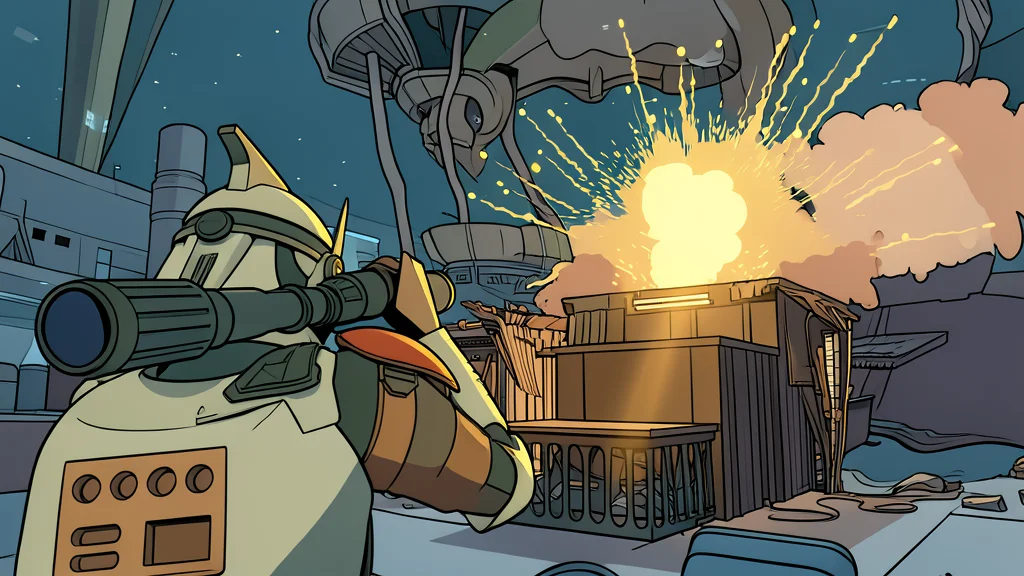
During a recent industry event, Blizzard Entertainment unveiled two highly anticipated projects: Diablo V and a new open-world shooter based on the Starcraft franchise. While the concepts have generated excitement among long-time fans, the most striking detail is the release schedule. Diablo V is currently targeted for 2029, while the Starcraft shooter is slated for 2030. These dates place the games several years beyond the current holiday seasons, a gap that feels unusually long for major title announcements.
The decision to lock in such distant dates creates a significant gap between promise and delivery. In the fast-moving tech sector, three to four years is enough time for corporate structures to shift, development teams to change, or market conditions to evolve dramatically. As noted by GN technics/gaming (en-US), this timing forces players to wait through a period of uncertainty where the very existence of the studios or platforms involved could change.
Industry Volatility Makes Long Timelines Risky
The gaming landscape has shifted rapidly in recent years, making long-term predictions difficult. Just four years ago, it was hard to imagine the extent of the turbulence currently affecting the industry, including major boycotts and corporate restructuring. When a studio announces a game for 2029 or 2030, it is essentially asking consumers to trust a vision that may not exist in that form by the time the product launches.
Ownership changes are a primary concern here. Blizzard is owned by Microsoft, but corporate mergers and acquisitions can alter a studio's priorities or even its independence. There is no guarantee that the corporate entity releasing the game will remain the same, or that the platform on which it is expected to run will still be a dominant force in the market. This adds a layer of business risk that is invisible to the casual player but critical to the game's eventual success.
Development Delays Are Common But Rarely This Long
Even if corporate ownership remained stable, the development process itself is fraught with potential pitfalls. Games often pivot their design, change their story, or suffer from technical issues that require significant rework. A multi-year window increases the likelihood that the initial concept will drift from the final product. What looked promising on paper during the announcement phase may not translate well into a playable experience years later.
There is a precedent for this kind of over-promising. Bethesda, another studio under the Microsoft umbrella, announced The Elder Scrolls VI eight years ago. Despite the initial hype, the game is still not ready, leading to public statements asking fans to pretend the announcement never happened. This serves as a cautionary tale for Blizzard's current strategy, highlighting the difficulty of maintaining momentum over such an extended period.
Strategic Intent Behind Early Reveals
Despite the risks, there is likely a strategic reason for revealing these games so early. For a company like Microsoft, which has been criticized for the quality of its recent first-party releases, showcasing major IP like Starcraft and Diablo serves as a statement of intent. It is an attempt to reassure investors and core gamers that the legacy of these franchises is still in development and valued by the parent company.
However, this approach trades concrete progress for abstract hope. By announcing titles for 2029 and 2030, the company is effectively selling the possibility of these games rather than the games themselves. For the consumer, the catch is clear: they are being asked to invest emotional energy in projects that are years away, with no guarantee that the corporate or technical foundations will remain intact long enough to deliver on the promise.