Star Wars Zero Company: Why Losing Custom Operators Is a Feature
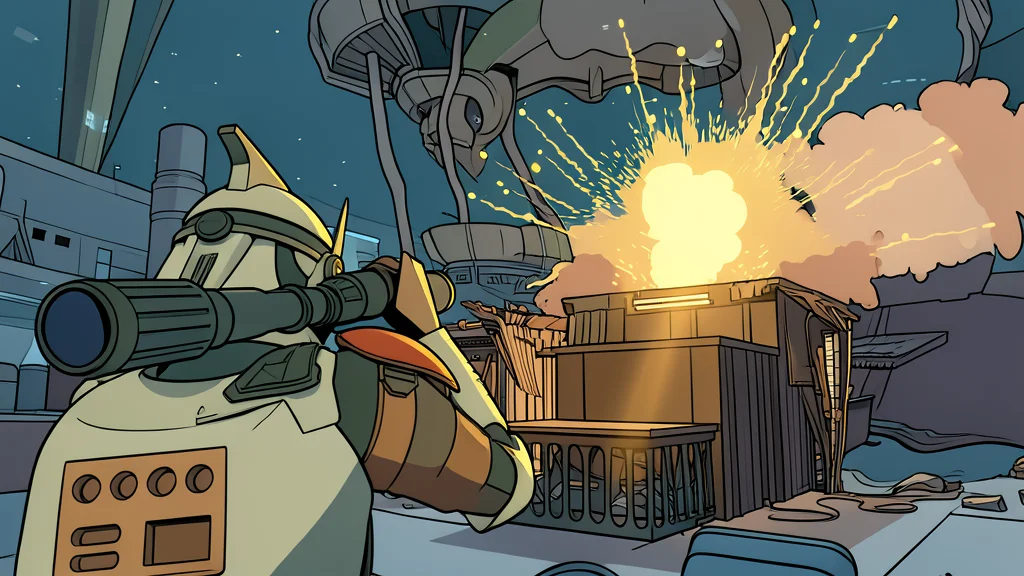
Players of Star Wars Zero Company are discovering that permanent death for hired units is not a punishment, but a strategic tool that reduces stress and rewards bold tactics.
In the tactical RPG Star Wars Zero Company, the loss of a unit is final. However, recent player discussions, including those noted by GN technics/gaming (en-US), suggest that embracing this permadeath mechanic is key to mastering the game. Instead of hoarding every soldier, the most effective strategy involves treating custom, hired operators as expendable resources. This shift in mindset transforms the game from a high-stress survival challenge into a manageable tactical puzzle.
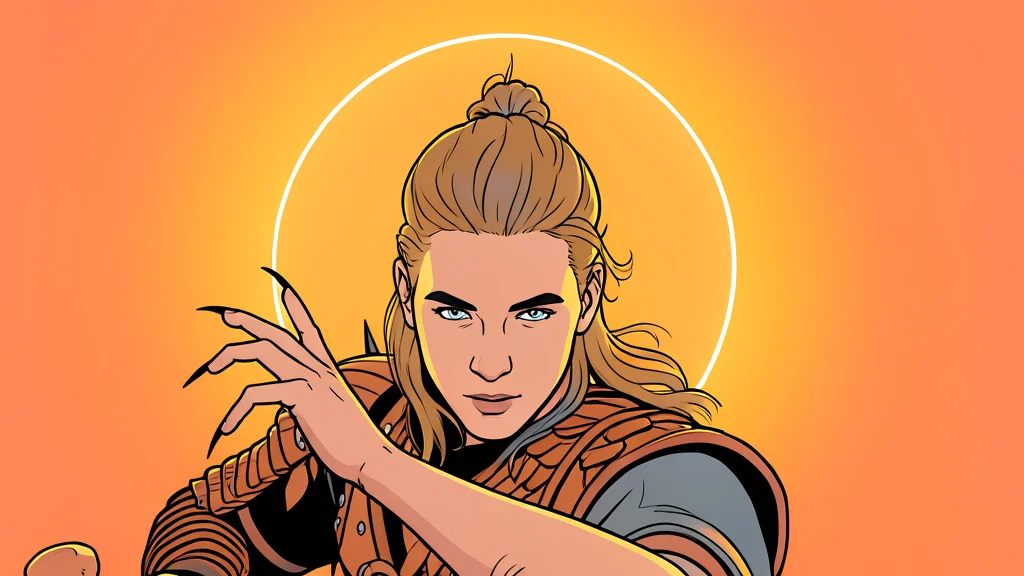
The game distinguishes between authored characters and player-created custom operators. While both have similar skill trees, authored characters often possess unique, powerful passive abilities that make them irreplaceable. Custom operators, by contrast, are cheap to recruit and can be generated at no cost. This economic disparity encourages players to send their newest hires into the most dangerous situations, such as time-limited rescue or sabotage missions, where the turn limit often forces a sacrifice to ensure team survival.
Custom Operators Are Cheap and Reliable
Many players initially treat custom operators as second-class citizens, a mistake that leads to unnecessary difficulty. In reality, these units are highly reliable and match the level of your main group, ensuring they remain competitive throughout the campaign. Because they are the least expensive resource in the game, more so than any item from the Black Market, they serve as the ideal shock troops. There are no penalties for resetting their perk points, allowing players to experiment with different builds without long-term consequences.
The game’s structure supports this approach through its cycle system. Unlike other titles in the genre, Star Wars Zero Company is not designed to be played in a single, endless run. The momentum and friction of the overarching structure mean that players are not expected to complete every secondary mission in one go. This design choice alleviates the pressure to save every single custom unit for a specific, hypothetical future scenario. Instead, using a fresh recruit to clear a generic Separatist base is a valid and often rewarding strategy.
High-Risk Missions Favor Disposable Units
Certain mission types, particularly rescue and sabotage operations, are notoriously difficult due to strict turn limits. These objectives often require moving across the map to reach a target while simultaneously fighting endless waves of enemies. Since operators cannot move large distances and fight effectively in the same turn, success usually requires sacrificing a unit to stop the timer or draw enemy fire. This makes the latest hires, who have the least sentimental value to the player, the perfect candidates for these meat-grinder scenarios.
Even when a mission goes wrong, the game offers a safety valve. Players can choose to extract without bringing all units to the evacuation zone if things turn dire. This option is crucial for preserving your core team of authored characters. While custom operators have lively dialogue and good voice acting, they eventually fade into the background compared to the main cast. Protecting the unique, authored characters like the game’s only Jedi is the priority, making the loss of a custom unit a small price to pay for their safety.
Embracing Loss Reduces Gameplay Stress
The psychological barrier to losing units is often higher than the actual mechanical penalty. By learning to let go of the urge to save every single hire, players find that much of the stress and difficulty dissipates. The game is lenient with custom operator creation, allowing for instant refreshes. This abundance means that hoarding units for an 'ideal' mission is inefficient. The best approach is to use what you have, when you have it, and accept that some soldiers will not make it out of the battlefield.