Cross-Platform Gaming Rules Vary Sharply in 2026
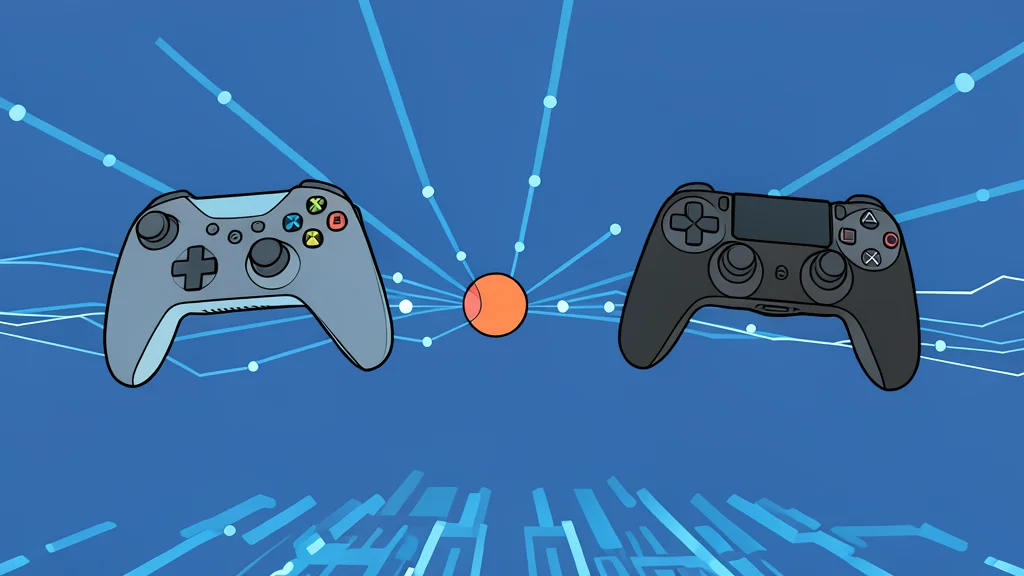
While cross-platform play is now standard, the rules for saving progress and joining friends remain inconsistent across Xbox, PlayStation, and Switch 2, creating hidden friction for players.
Buying a game in 2026 often means expecting to play with friends on different consoles, but the reality is more complicated than a simple toggle. While cross-platform play is no longer a novelty, the rules governing it are wildly inconsistent. Microsoft has aggressively opened its ecosystem, allowing most purchases to work across consoles and PCs, while Sony and Nintendo have adopted more restrictive or publisher-dependent approaches.
For households where friends are split across multiple platforms, this inconsistency creates real friction. The ability to join a match together is not the same as the ability to share progress or even access the same game library. Understanding these distinctions is crucial for making a buying decision that actually supports a diverse gaming group, rather than leaving some players locked out of key features.
Crossplay and cross-save are different
Many consumers use the terms crossplay and cross-save interchangeably, but they solve two distinct problems. Crossplay allows players on different hardware to share the same matchmaking pool, meaning an Xbox user can join a PS5 player in a match. Cross-save, however, allows a player to transfer their character level, unlocks, and save file between devices.
A game can support one feature without the other. For example, Helldivers 2 allows players on PlayStation, PC, and Xbox to fight side by side, but purchases and progress remain locked to the specific platform where they were earned. This means that while you can play together, you cannot seamlessly switch devices and keep your inventory, a trade-off that significantly impacts long-term value for players who own multiple systems.
Microsoft leads with broad compatibility
Microsoft’s Xbox Play Anywhere program offers the most structural advantage in 2026. This initiative bundles an Xbox console purchase with a Windows PC license for the same game, often including shared save files and achievements. As reported by GN technics/gaming (en-US), the program has grown to cover over 2,500 titles, touching nearly half of all new Xbox releases.
The practical effect is that an Xbox owner with a PC or Windows handheld gets cross-platform functionality almost by default. This reduces the friction of choosing between hardware, as the publisher’s account system, rather than the console itself, manages the connection. In contrast, Sony and Nintendo rely more heavily on individual publisher decisions, leading to a patchwork of support that varies from one title to the next.
Publisher control drives the experience
In most cases, the console manufacturer does not deliver the cross-platform features directly. Instead, the mechanism runs through the publisher’s own account system, such as Epic Games, Microsoft, or Activision. This means the console vendor’s role is largely to allow these connections, while the publisher decides which games actually support them. Consequently, the user experience is dictated by the game developer rather than the hardware choice.
This structure creates a catch for consumers: the most seamless experience is often tied to specific publishers or ecosystems rather than a uniform platform standard. While Xbox has made it easier to bridge the gap between console and PC, players on PlayStation and Switch 2 must check each game individually to confirm if their friends can join or if their progress will sync. This lack of a universal standard remains a significant barrier to a truly unified gaming experience.