Why Poker Players Find Comfort in Turn-Based Strategy Games
Turn-based strategy games offer poker players a familiar mental workout, stripping away reflexes and leaving only the quality of decision-making under a different set of rules.
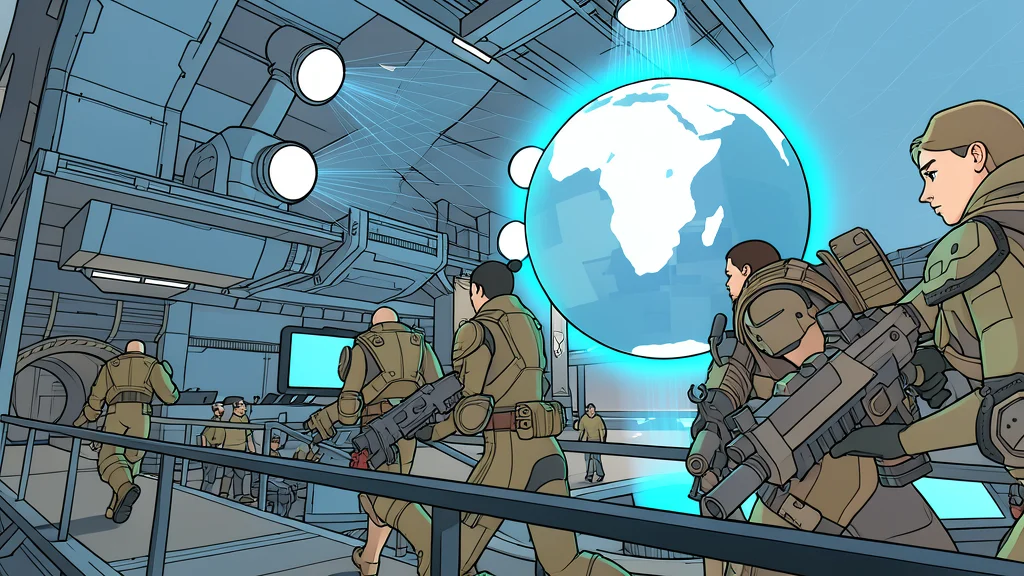
In the tactical shooter XCOM, a soldier might miss a shot despite having an 85% probability displayed on screen. Players often react with frustration to these misses, but developers later acknowledged that the game subtly favors struggling squads on lower difficulties. This dynamic mirrors a core lesson in poker: a correctly played hand can still lose. The common thread in both scenarios is the necessity to judge the decision itself, rather than the immediate outcome.
Turn-based strategy titles construct their entire gameplay loop around this specific type of cognitive task. There is no timer forcing errors and no opponent acting while you are thinking. For a poker player seeking a hobby between sessions, the genre provides a familiar mental exercise in a different context. It isolates the calculation and removes the external pressure of real-time reflexes.
Untimed Turns Isolate Decision Quality
Real-time games reward hand speed and reaction time, elements that turn-based games deliberately remove. Each turn waits for the player, making attention the only resource under pressure. This structure aligns closely with how serious poker is played, where a difficult decision on the final street can take a minute or more. Strong players use that time without apology to analyze their options.
Games like Civilization and XCOM formalize this rhythm by ensuring the clock never rushes a choice. Consequently, every mistake belongs directly to the player. This accountability is a key part of the appeal. A losing turn can always be traced to a specific choice, and the replay value of the genre comes from testing a different one. The absence of hidden timers allows for a pure assessment of strategic merit.
Displayed Odds Hide Mechanical Adjustments
XCOM displays a hit percentage before every shot, but the numbers do not always reflect the true mechanical reality. Data mining of the game files revealed that on lower difficulty settings, the true chance to hit is higher than the displayed value. Additionally, missing a shot above 50% adds a cumulative bonus to the next attempt. The game bends its own odds to keep a losing player engaged, a mechanism that casual players might misinterpret as pure bad luck.
The save system further complicates this dynamic. Shot outcomes are committed when the action is taken, so reloading a save cannot rescue a bad gamble. The consequences remain on the record. A poker player reads this differently than a casual gamer. They understand that displayed percentages are estimates and that short-term results say little about decision quality. Someone trained to separate expectation from outcome will treat a miss streak as variance rather than evidence of poor play.
Perfect Information Removes Hidden Variables
Into the Breach, released by the two-person studio Subset Games, took the opposite approach to hidden odds. Every enemy attack is telegraphed before the turn begins, damage has no range, and the small grid shows the full state of the battle. The designers explained that randomness was kept to a minimum on purpose, so that every loss traces back to a readable decision. This creates a puzzle built from chess-like logic.
For a poker player, this is a game with no hidden cards at all. The skill being trained is pure calculation, the same muscle used to assess pot odds and hand strength. By removing the money and the opponents, these games allow players to get reps without risk. As noted by GN technics/gaming, this environment isolates the calculation itself, offering a pure form of practice that builds pattern recognition without the emotional weight of financial loss.