SpaceX to Launch Second Classified Space Force Mission This Week
SpaceX is preparing to launch a second classified mission for the U.S. Space Force within five days, marking a rapid pace of military space operations from California.
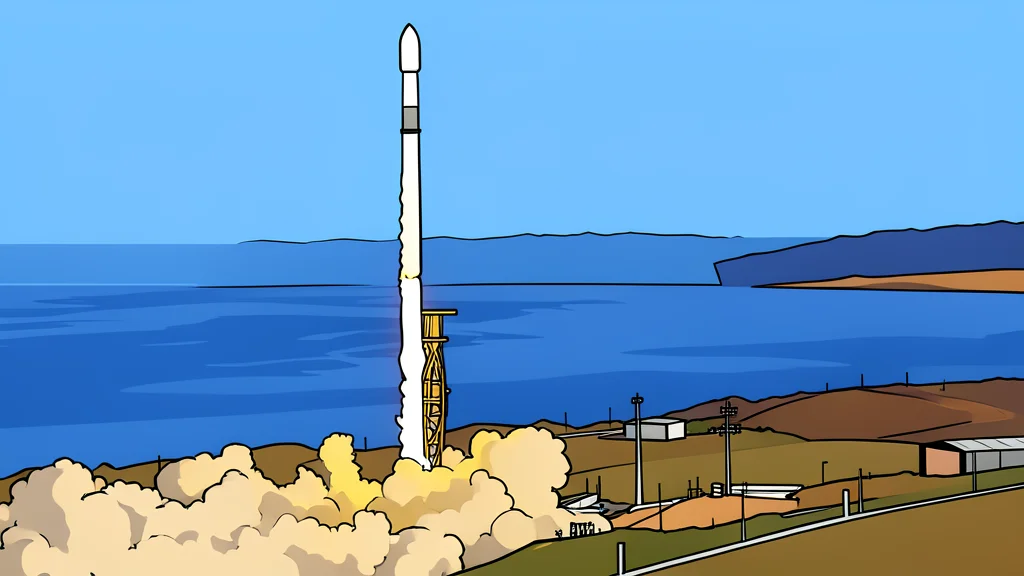
SpaceX is set to launch a Falcon 9 rocket from Vandenberg Space Force Base in California, marking the second classified mission for the U.S. Space Force in less than a week. The launch window opens at 9 p.m. Eastern Daylight Time on September 15, offering a brief public glimpse into a mission that remains largely shrouded in secrecy. While the specific payload and objectives of the USSF-259 mission are not disclosed, the event highlights the increasing frequency of commercial companies supporting national security space initiatives.
The live broadcast, available through SpaceX’s official channels, will conclude shortly after the first stage of the rocket separates and returns to Earth. Viewers will see the booster, designated B1097, attempt a landing on a drone ship approximately 8.5 minutes after liftoff. This will be the 13th landing for this specific booster, which previously played a key role in SpaceX’s 600th orbital rocket touchdown earlier this year. The trade-off for public access is limited: the webcast does not reveal the nature of the payload, leaving the mission’s strategic purpose to speculation.
Rapid pace of military space launches
This launch follows the USSF-153 mission, which lifted off from the same base on September 10. Both missions are classified, a common designation for U.S. military space assets that often involve reconnaissance or communication capabilities. The short interval between these two launches underscores the growing reliance on commercial launch providers for time-sensitive national security tasks. For readers, this shift means that significant military space activity is increasingly conducted through commercial channels, with limited public disclosure until after the fact.
The operational context is part of a broader trend in spaceflight, where commercial entities handle a significant portion of orbital launches. The U.S. Space Force has become a major customer for SpaceX, reflecting a strategic shift toward leveraging commercial infrastructure for military needs. This arrangement offers flexibility and cost efficiency but raises questions about transparency and the boundaries between commercial and military space operations.
Booster reuse and launch frequency
The Falcon 9 rocket, which has become the workhorse of SpaceX’s launch fleet, is central to this high-tempo schedule. In 2026, the company has already completed 110 launches, with the vast majority performed by the Falcon 9. The reuse of boosters like B1097 is a key factor in enabling this frequency, reducing costs and turnaround times. However, the intensive reuse schedule places significant stress on the hardware, requiring rigorous testing and maintenance to ensure safety and reliability.
While the Falcon 9 dominates the launch count, SpaceX is also advancing its next-generation Starship vehicle. Two suborbital test flights have been completed in 2026, with an orbital test expected within the next two weeks. This dual-track approach allows SpaceX to maintain a steady flow of commercial and military launches with the Falcon 9 while developing the heavier-lift capabilities of Starship. For the U.S. Space Force, this means access to a range of launch options, from routine satellite deployments to potentially larger, more complex missions in the future.
Transparency limits in classified operations
The classification of missions like USSF-259 and USSF-153 means that the public receives minimal information about the payloads and their purposes. This lack of transparency is a standard practice for military space assets, which are often designed for reconnaissance, intelligence, or communication support. The catch for observers is that the strategic implications of these launches are not immediately apparent, requiring analysts to piece together the significance from launch cadence and other indirect indicators.
According to GN auto tech/science, the live webcast provides a visual record of the launch and landing but does not offer insights into the mission’s objectives. This limitation is a deliberate design choice to protect sensitive national security interests. For the general public, the value of watching such launches lies in witnessing the technological capabilities of commercial spaceflight, rather than understanding the specific military applications. The balance between public access and national security remains a delicate and ongoing negotiation in the space industry.