Diablo 5 Returns to Procedural Dungeons and Complex Loot Systems
Blizzard has revealed that the long-awaited sequel will ditch static towns for a traveling caravan and reintroduce the deep, item-focused mechanics that defined the early series.
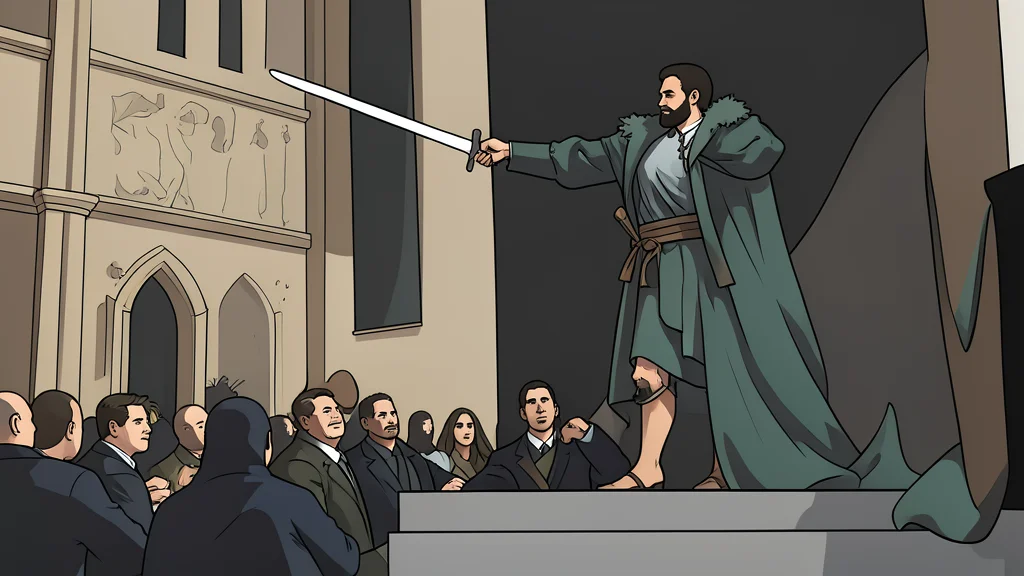
Blizzard Entertainment has unveiled a significant shift in direction for Diablo 5, confirming that the game will return to procedurally generated dungeons and a more complex loot system. The announcement, made at BlizzCon, positions the sequel as a direct response to player feedback regarding the previous entry, aiming to restore the dynamic exploration and item depth that many fans felt was missing from Diablo 4.
The game is set a century after the events of its predecessor, depicting a world recovering from apocalyptic destruction. According to reporting from GN technics/gaming, the development team is doubling down on the dark fantasy tone, with the story focusing on restoring the ravaged region of Westmarch. The release is currently targeted for spring 2029, leaving ample time for the team to iterate on these core mechanics.
Dynamic dungeons replace static towns
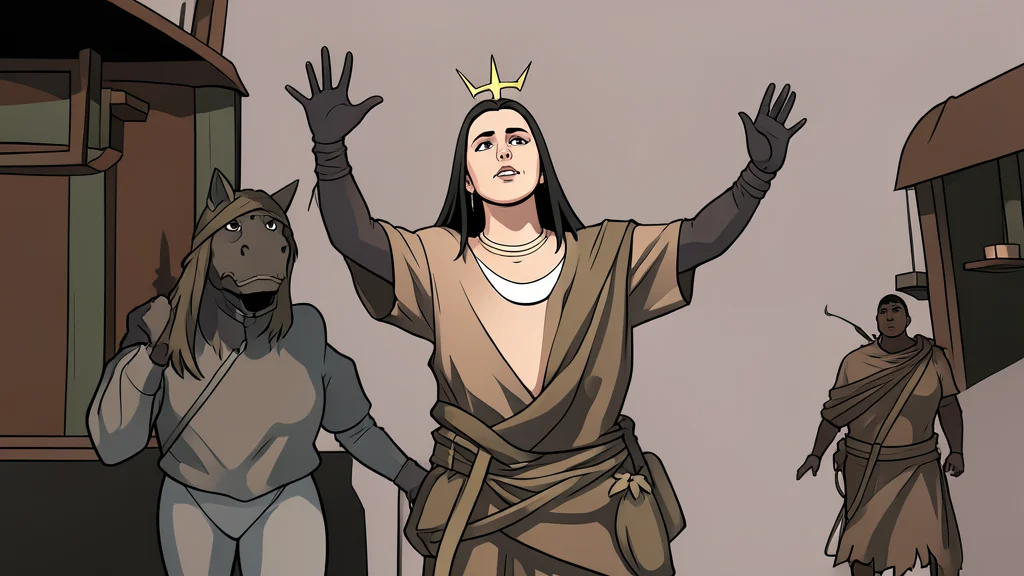
One of the most notable structural changes is the removal of traditional hub towns. Instead, players will interact with a traveling caravan of non-player characters who serve as quest givers and companions. This includes a treasure goblin and other allies who will accompany the player throughout the narrative. This design choice eliminates the need to travel back to a fixed location for services, embedding the social and logistical aspects of the game directly into the journey.
Furthermore, the world itself will be more fluid. Open-world regions and dungeons will be procedurally generated, meaning the layout changes every time a player returns. This approach aims to increase replayability and reduce the sense of repetition that often plagues large open worlds. While this adds variety, it also means that players cannot rely on memorized shortcuts or specific enemy placements, requiring a more adaptive playstyle.
Loot systems return to deep complexity
The inventory and itemization systems are being reworked to resemble those of Diablo 2. Items will occupy multiple slots in the inventory based on their type, such as two-handed weapons or heavy armor. Additionally, set items and belts are making a comeback, allowing for more diverse build customization. The team is also experimenting with items that require specific stat thresholds to be equipped, a mechanic that adds a layer of strategic planning to character progression.
This shift moves away from the simpler, more standardized itemization of recent years. While this increases the potential for build variety, it also raises the barrier to entry for new players who must understand complex item interactions. The trade-off is a deeper sense of reward and personalization, but at the cost of increased complexity in managing gear and inventory space.
Expanded class roster at launch
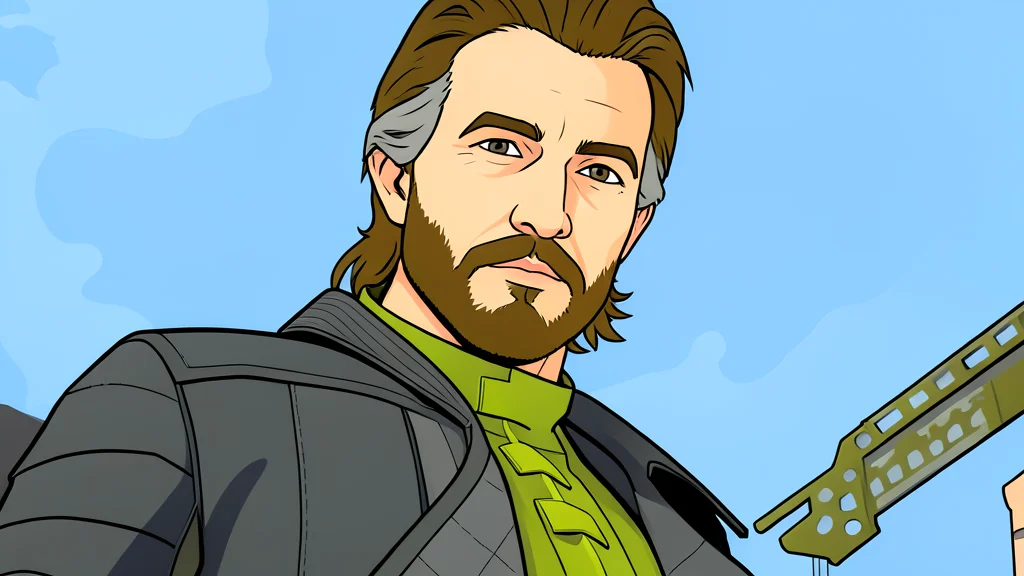
Diablo 5 will launch with a larger roster of playable classes than any previous game in the series. The Demon Hunter and Monk are returning, joining a new addition called the Plague Knight. This new class is described as heavily armored and capable of spreading disease across the battlefield, offering a unique tactical role. The goal is to provide a wide variety of playstyles right from the start, rather than relying on post-launch additions.
The narrative will also feature the main antagonist, Diablo, as a fully realized character rather than a final boss. This allows for a more nuanced portrayal of the villain and their influence on the world. With the release window set for 2029, Blizzard has promised regular updates and a willingness to adjust these features based on community feedback during the development cycle.