Xiaomi Smart Band 11 Brings Brighter Display and New Sleep Metrics to Market
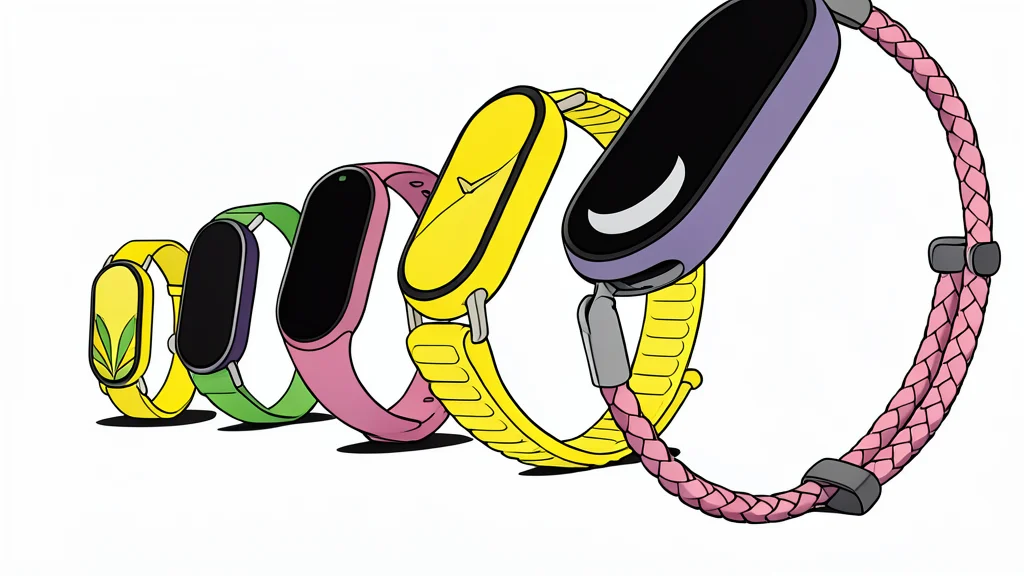
Xiaomi has released its latest entry-level fitness tracker in China, featuring a significantly brighter screen and new sleep analysis tools, though users should note that prices have increased slightly compared to the previous generation.
Xiaomi has officially launched the Smart Band 11 in China, marking the latest iteration of its most affordable wearable line. The device is scheduled to go on sale on September 7, positioning itself as a slim, rectangular band rather than a full smartwatch. It retains the core functionality of counting steps, tracking workouts, and mirroring phone notifications, now running on HyperOS 4, the same software base used in Xiaomi’s smartphones.
Four distinct versions are available at launch, ranging from a standard edition to premium ceramic and all-metal variants. While the design is slightly thinner and lighter than the previous model, the company has raised the base price. Each version costs between 20 and 30 Chinese Yuan more than the corresponding Smart Band 10 model it replaces, reflecting a modest but noticeable increase in cost for consumers in the Chinese market.
New sleep monitoring and screen brightness
The primary functional upgrade is the addition of sleep heart rate variability monitoring. This metric measures the variation in time between heartbeats, providing a rough indication of recovery and stress levels overnight. Xiaomi pairs this data with an AI-driven interpretation system that generates written recommendations for users, aiming to make health data more actionable without requiring technical expertise.
The display has also seen a tangible improvement. While the screen size remains at 1.72 inches with the same resolution, peak brightness has increased from 1,500 nits to 2,000 nits. This boost makes the screen more visible in direct sunlight. However, the physical dimensions of the panel have not changed, meaning the bezels remain at 2mm, and the overall visual footprint on the wrist is largely identical to the previous generation.
Battery life and hardware limitations
Despite the thinner case, which now measures 9.99mm in thickness and weighs 15.58 grams, the battery capacity has remained unchanged at 233mAh. Xiaomi maintains the same 21-day battery life rating, indicating that the efficiency improvements in the hardware have offset the reduced physical space available for the battery. Water resistance is also unchanged at 5ATM, suitable for swimming but not diving.
There are notable trade-offs in connectivity and features. NFC functionality is still restricted to offline payments and access cards, and it is only operational within China. Additionally, while iOS syncing has seen fewer restrictions on notifications and alerts, the device still lacks the comprehensive app ecosystem of higher-end smartwatches. The sensor suite covers heart rate, blood oxygen, stress, and menstrual cycle tracking, but the 150+ exercise modes are largely unchanged from the previous model.
Availability and pricing considerations for global users
While the Smart Band 11 has launched in China, it has not yet arrived in other markets such as Kenya. Local availability is expected later, but prices will likely be higher than the converted figures due to taxes and import markups. A cheaper variant, the Smart Band 11 Active, has also been introduced, featuring a smaller TFT screen, fewer exercise modes, and a larger 300mAh battery, offering a budget-conscious alternative for those who do not require the AMOLED display or advanced sleep metrics.
According to GN auto tech/wearables: fitness tracker coverage, the decision to buy now or wait depends on whether the improved screen brightness and sleep insights justify the price hike for individual users. For existing owners of the Smart Band 10, the upgrades are incremental rather than revolutionary, suggesting that the current model remains a viable option for those seeking the lowest possible cost without sacrificing core fitness tracking capabilities.