Revisiting PS2 Classics and Their Flaws
Nostalgia often masks the technical limitations of early 2000s gaming, but a closer look reveals why some iconic titles struggle to hold up against modern standards.
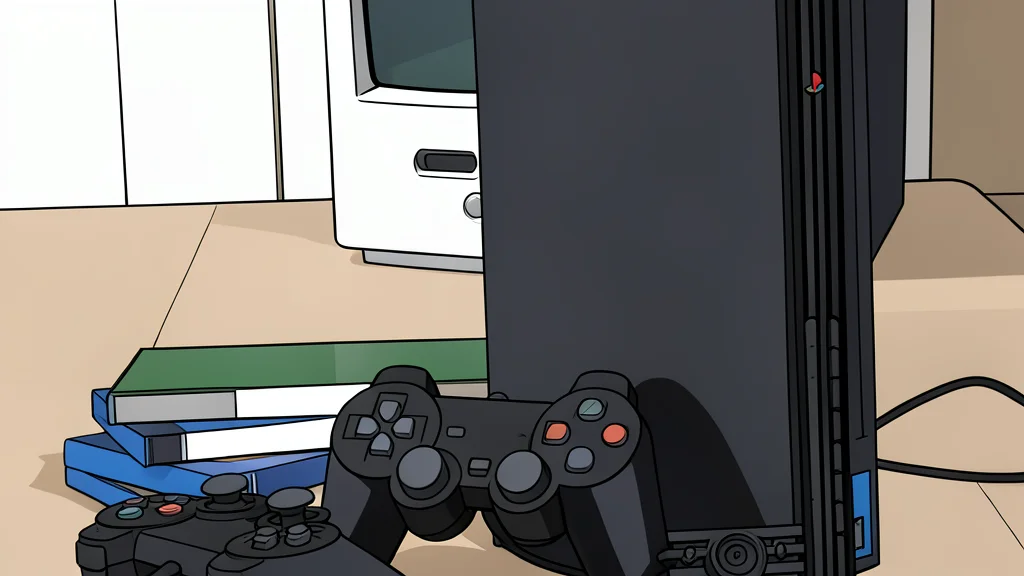
The PlayStation 2 remains a cultural landmark, having sold over 160 million units and defining an era of gaming with its vast library. However, a recent analysis by GN technics/gaming (en-US) argues that not every title from this period has aged well. While the console itself is celebrated for its legacy, many of its standout games rely heavily on nostalgia to mask dated design choices and mechanical shortcomings.
When players revisit these classics, the gap between memory and reality often becomes apparent. Issues such as clunky controls, repetitive gameplay loops, and visual roughness that were acceptable in 2004 are now jarring. The article highlights how several titles, despite their initial popularity, fail to deliver the satisfaction promised by their marketing and historical status.
Combat Depth in Action Titles
Action games from this era often prioritized visual flair over mechanical depth. Devil May Cry 2, for instance, is cited as a prime example of this trade-off. While it promised larger environments and longer campaigns than its predecessor, the change in development team resulted in a shallower experience. The combat feels less satisfying and the environments often appear empty rather than expansive, a significant drop from the stylish precision of the first entry.
Similarly, the original God of War, while setting a grand stage, relied heavily on repetitive button-mashing. The narrative and setting were impressive, but the lack of nuance in the control scheme makes the gameplay feel simplistic by today's standards. These examples illustrate how a focus on spectacle can sometimes overshadow the need for engaging, responsive mechanics.
Simulation Limitations in Racing Games
Racing simulations faced their own set of challenges as the genre evolved. Gran Turismo 4, released in 2004, attempted to build on the series' reputation for realism but began to show signs of strain. While it offered an impressive selection of vehicles, the limited customization options held back the experience. Competitors were simultaneously exploring deeper simulation aspects, causing the title to slip through the cracks despite its large library.
Open World Design Constraints
Open-world games from the PS2 era often struggled with freedom and replayability. Bully, a bold entry from Rockstar Games, placed players in a rigid boarding school setting. While the premise was unique, the controls felt juvenile and the gameplay loop became repetitive. It lacked the broad scope and freedom that defined the company's other flagship titles, resulting in an experience that feels constrained compared to its contemporaries.
These limitations highlight a broader trend in the era: the tension between ambitious concepts and the technical or design capabilities of the time. For modern gamers, these titles serve as a reminder that popularity does not always equate to lasting quality, and that the mechanics which once felt innovative can quickly become obstacles to enjoyment.