Why Radar Sensors Outperform Motion Detectors in Smart Homes

Traditional motion sensors rely on heat changes, causing lights to turn off when you sit still. Radar technology offers a more reliable alternative for true presence detection.
For many smart home users, the frustration of lights turning off while reading or working is a common annoyance. This happens because standard motion sensors do not actually detect presence; they detect changes in radiant heat. When a person sits still, the heat signature stops changing, and the sensor registers the room as empty. This binary limitation forces users to wave their arms or accept long timeout intervals that waste energy.
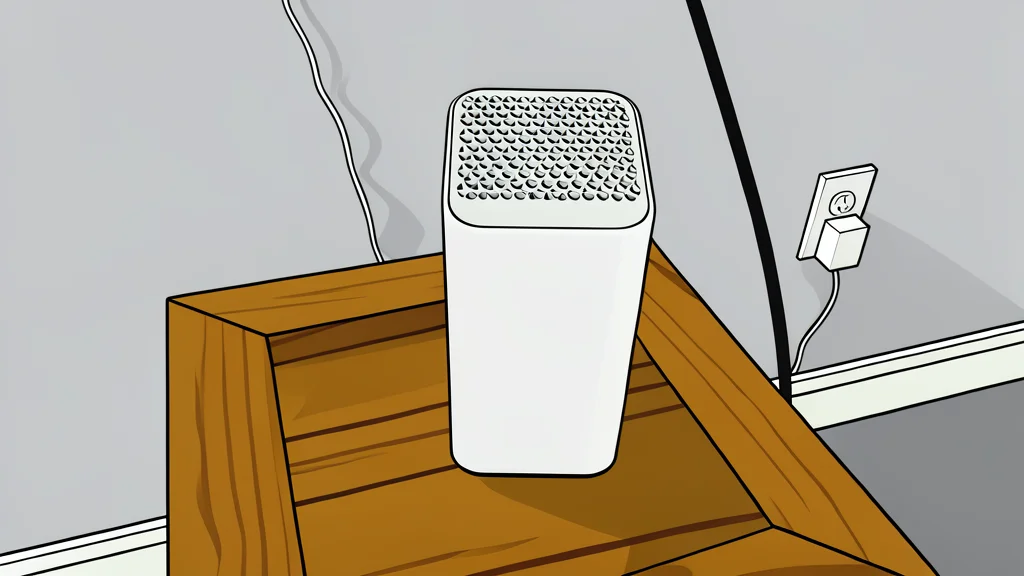
A newer class of sensors uses millimeter-wave radar to solve this problem. Unlike infrared sensors that rely on visible movement, radar devices broadcast high-frequency waves and measure the subtle shifts in reflections. This allows them to detect micro-movements such as breathing or a pulse, ensuring that the system recognizes a person is present even if they are completely motionless. XDA Developers notes that this shift in technology addresses a fundamental flaw in previous generations of smart lighting controls.
Radar detects breathing without movement
The core difference lies in how the two technologies interpret the environment. Passive infrared sensors use a lens to split the field of view into zones, requiring an object to cross from one zone to another to trigger a response. If you remain stationary within a single zone, you are effectively invisible to the system. In contrast, radar sensors operate at frequencies like 24 GHz or 60 GHz, measuring the Doppler phase shift of returning waves.
This capability allows for the detection of minute physical changes, including the rise and fall of a chest during breathing. For a user sitting at a desk or lying in bed, this ensures that lighting and climate controls remain active. The sensor does not need to see a large limb move; it only needs to register the tiny, constant biological movements that occur in a living body.
Combining sensors for precise location tracking
While radar confirms that a human is present, it does not identify who that person is. To address this, users can combine radar data with Bluetooth Low Energy beacons from smartphones or smartwatches. By measuring signal strength from these devices, the system can estimate distance and identify the specific occupant. This allows for personalized automation, such as adjusting lighting presets based on who is in the room.
However, this layered approach is not without trade-offs. Radar signals can sometimes be blocked by thick bedding or confused by ceiling fans, leading to missed detections or false positives. To mitigate this, some users add weight sensors under chairs or mattresses to provide a definitive physical state. This redundancy ensures reliability but adds complexity to the setup, requiring careful calibration to prevent conflicting signals.
Reliability depends on layered hardware
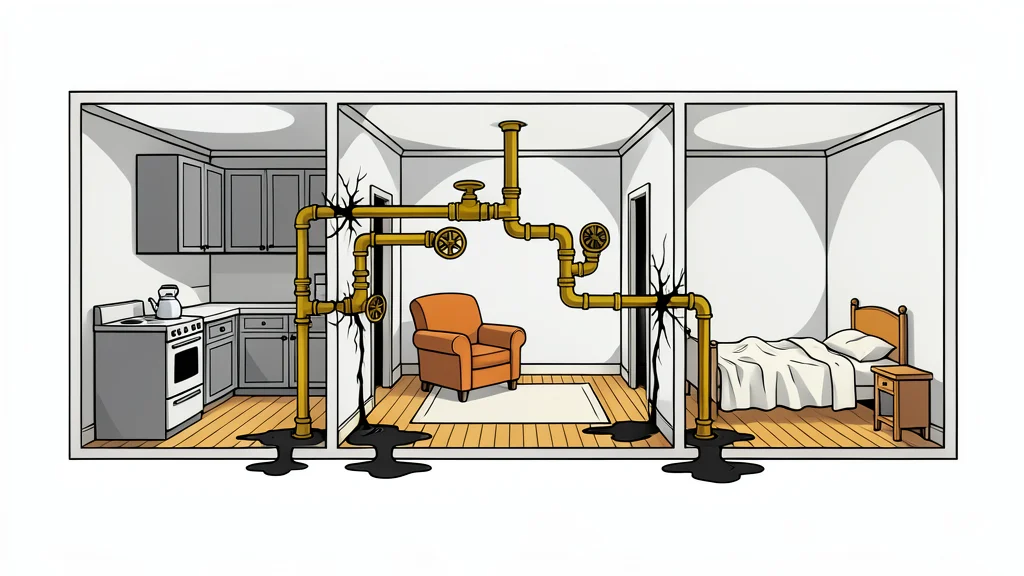
The move away from simple motion triggers represents a shift toward a more complex presence engine. This system interlocks radar, Bluetooth, and potentially pressure sensors to create a robust tracking matrix. While this offers superior accuracy compared to single-sensor solutions, it demands more hardware and configuration effort. The result is a system that rarely fails, but one that requires a deeper technical understanding to install and maintain.
Ultimately, the choice between these technologies depends on the user's need for precision versus simplicity. For those who value uninterrupted lighting and personalized automation, the added complexity of radar and beacon systems is often worth the investment. The key is understanding that no single sensor is perfect; true reliability comes from combining multiple data sources to cover the blind spots of each individual technology.