GameCube Had Better Hardware, but PS2 Sold More
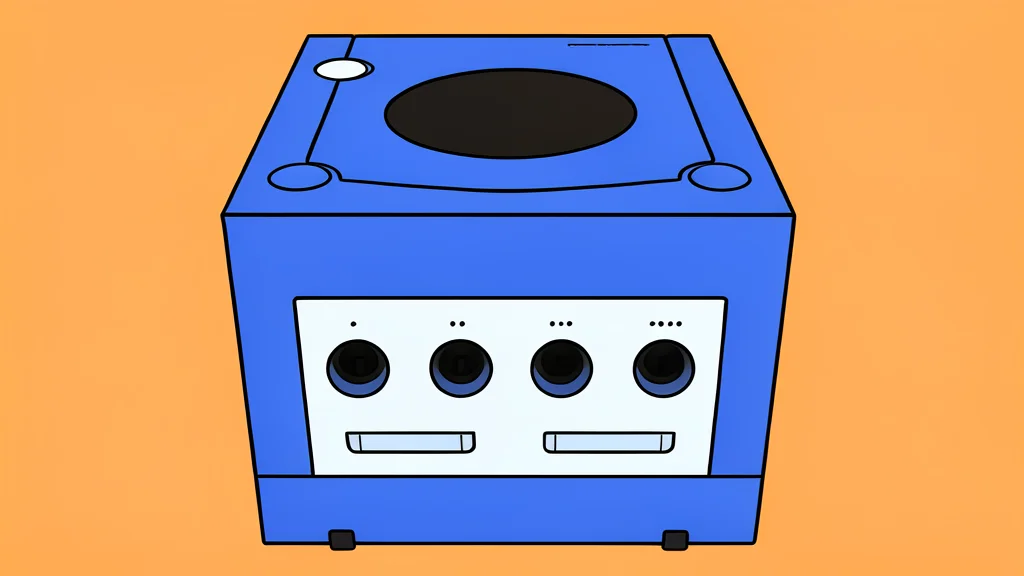
While the GameCube offered superior raw processing power, the PlayStation 2 won the market war through broader appeal and storage capacity.
The sixth-generation console war pitted two very different machines against each other. The Nintendo GameCube and the Sony PlayStation 2 both launched in the early 2000s, but they took opposite approaches to hardware design and market reach. While the GameCube was technically the more potent device, the PS2 became the best-selling console in history. This disconnect between technical superiority and commercial success highlights a key lesson in gaming history: raw power does not always equal popularity.
For years, online debates have focused on which system was better. The answer depends on how you define 'better.' If you measure by the ability to render complex graphics quickly, the GameCube wins. If you measure by the number of units sold and the size of the game library, the PS2 dominates. Engadget notes that this rivalry was a defining moment for modern gaming, setting the stage for the industry’s current focus on accessibility and broad audience engagement.
GameCube hardware outperformed PS2 specs
Under the hood, the GameCube was the clear winner on paper. It featured a 485 MHz Gekko CPU, which was significantly faster than the PlayStation 2’s 295 MHz Emotion Engine. The GameCube also used a custom graphics chip called Flipper, which allowed developers to render visual effects in a single pass. This streamlined process made development easier and resulted in smoother performance compared to the PS2, which required a more labor-intensive multi-pass rendering system.
Memory was another area where Nintendo had the edge. The GameCube included 40MB of RAM with lower latency, whereas the PS2 had 32MB. Former developers have pointed out that the GameCube’s hardware handled textures and lighting effects far more efficiently. One former executive noted that the GameCube’s CPU could do everything the PS2’s main processor and its vector units combined, making it the more capable machine for high-end graphics.
Storage limits hindered GameCube potential
Despite its superior processing power, the GameCube had a significant physical drawback. It used mini-discs that could only hold 1.5GB of data. In contrast, the PlayStation 2 used standard DVDs, which could store at least 4.7GB. This difference was a major hurdle for third-party developers who wanted to port large-scale games. The limited storage space on the GameCube made it difficult to bring complex, data-heavy titles to the platform without significant cuts.
This limitation forced developers to make tough choices about what content to include. For many ports, this meant reduced audio, fewer cutscenes, or simplified textures. While the GameCube’s exclusive titles were often praised for their efficiency, the inability to support large-scale open-world games or high-definition assets held the platform back in the long run. The PS2’s larger storage capacity allowed for a wider variety of game types, from massive role-playing games to cinematic action titles.
PS2 won through broader audience appeal
Commercially, the PlayStation 2 was a massive success, selling 160 million units compared to the GameCube’s 21.7 million. Sony’s strategy focused on appealing to a wider demographic, including adults who had not grown up playing video games. The PS2 was marketed as a multimedia hub, with a built-in DVD player that helped it compete with standalone disc players. This broader appeal ensured that the console remained in the public eye for over a decade.
The GameCube, by contrast, was often perceived as a system for younger players. While it had a strong library of family-friendly titles, it struggled to attract the same level of mainstream attention as its rival. The PS2’s longevity and massive install base created a feedback loop that encouraged developers to prioritize it for major releases. In the end, the PS2’s ability to serve as both a game console and a home entertainment center gave it a decisive advantage in the global market.