How Rapid Iteration Shaped the Detective Grimoire Art Style
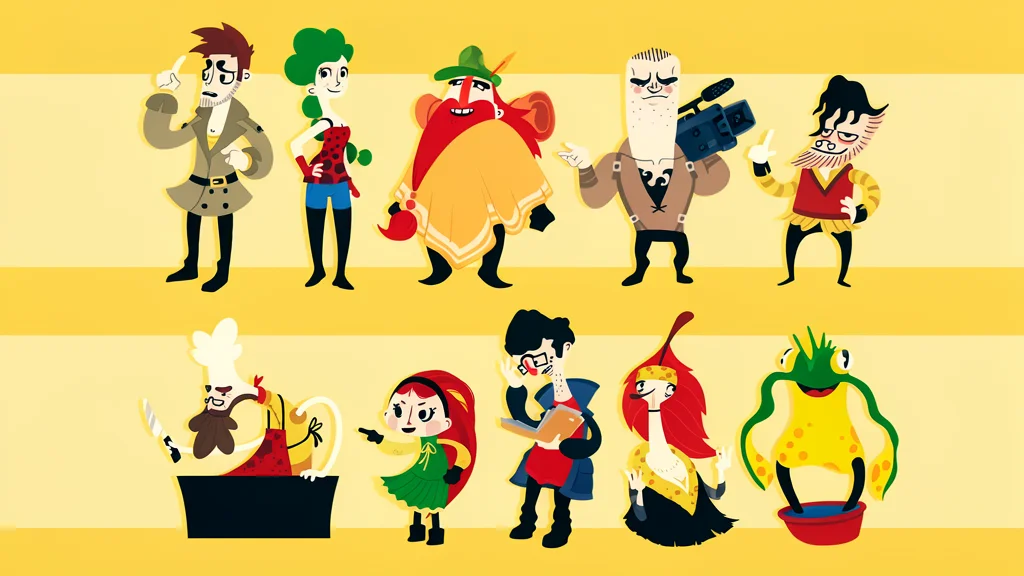
The creator of Detective Grimoire explains how a decade of fast-paced Flash game development allowed him to refine his skills and evolve the series' visual identity from generic to distinctive.
Adam Vian, co-founder of SFB Games, attributes the distinctive visual style of his Detective Grimoire series to a period of intense, low-stakes experimentation. Rather than viewing the transition from simple 2D graphics to sophisticated illustration as merely a technological leap, Vian describes it as a natural evolution driven by personal growth and artistic maturity. The process began in the early 2000s, when he and his brother Tom produced dozens of short, browser-based titles that served as a practical education in game design and animation.
This high-volume approach allowed the duo to bypass the common pitfall of overthinking early projects. By releasing games quickly, they received immediate public feedback, creating a rapid cycle of creation and critique. Vian notes that this environment acted as an accelerant, helping them exhaust their initial, less polished ideas before moving on to more refined concepts. This foundational phase was crucial in establishing the technical and creative baseline for their future work.
Rapid iteration builds artistic confidence
The core philosophy behind this method is the idea that every creator must overcome a certain number of flawed attempts to achieve mastery. Vian compares this to the common notion that artists have a set number of bad drawings they must produce before their work improves. In the context of game development, this translates to completing many imperfect titles in a short timeframe. For Vian, this meant treating each early project as a disposable experiment rather than a definitive statement, which reduced the pressure to be perfect from the start.
This mindset was particularly effective during the Flash era, when tools were accessible and barriers to publishing were low. The ability to upload a game and receive reviews within hours created a tight feedback loop that is difficult to replicate in modern, high-budget development cycles. By keeping the production window short, Vian and his brother could identify what worked and what didn’t without investing excessive time in a single idea. This efficiency allowed them to iterate on their skills continuously.
From generic tropes to unique identity
The early iterations of Detective Grimoire reflected a lack of distinct artistic voice, drawing heavily on existing adventure game archetypes. The protagonist was initially designed as a standard figure, wearing a brown trench coat and featuring generic features that mirrored characters from popular point-and-click adventures. At the time, Vian was still developing his creative instincts and had not yet absorbed the diverse influences that would later define his style. The result was functional but unremarkable, relying on familiar visual shorthand to communicate the genre.
The shift toward a more unique aesthetic began after Vian enrolled in an art program, where he was exposed to a wider range of illustration and animation techniques. This formal education expanded his visual vocabulary and allowed him to move beyond basic cartooning conventions. The evolution of the series' art style is therefore a direct result of this period of study, where technical skill and personal taste developed in parallel. The game’s visuals became less about mimicking existing media and more about expressing a specific artistic perspective.
Collaboration refines the creative process
A significant factor in the series' maturation was the integration of skilled collaborators into the development process. Vian highlights the contribution of artist Catherine Unger, who has been involved in the production of every recent entry in the series. Her involvement transformed the creative workflow from a solitary endeavor into a dynamic dialogue. By serving as a sounding board for ideas, she helped challenge and refine concepts before they were fully realized, ensuring that the final output benefited from multiple perspectives.
This collaborative approach addresses the inherent limitations of working in isolation, where bad ideas can persist unchecked. Having a partner who provides both artistic input and critical feedback creates a healthier development environment. It allows for the rapid rejection of weak concepts and the refinement of strong ones. According to Vian, this daily exchange of ideas is a key component of the series' current quality, demonstrating that technical skill alone is insufficient without the structural support of effective teamwork. This model offers a practical example of how sustained collaboration can elevate a project beyond the capabilities of its individual creators.