Linux Gamers Face Growing Exclusion from PC Titles
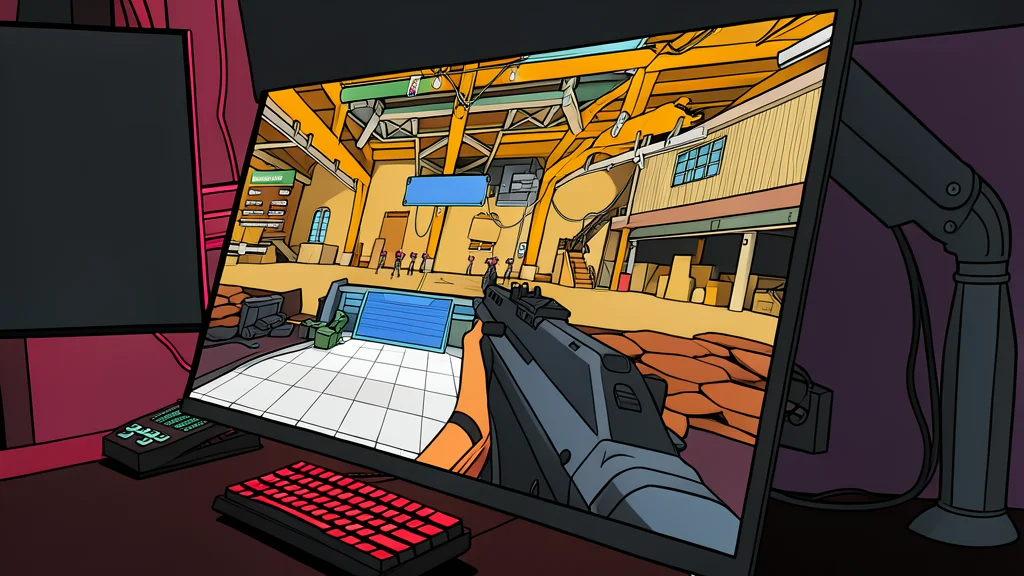
The push for stricter anti-cheat measures is creating a digital wall that effectively blocks Linux users from playing many popular multiplayer games, forcing them into costly workarounds.
The battle against cheating in PC gaming has become a double-edged sword for users of the Linux operating system. While developers aim to secure their online environments by installing kernel-level anti-cheat drivers, these systems are fundamentally designed for Windows. As a result, a growing number of major multiplayer titles are simply refusing to launch on Linux, leaving legitimate players with limited options.
This exclusion is not a technical impossibility but a deliberate choice by publishers. According to reporting from GN technics/gaming, many companies view the additional effort required to support Linux as an unnecessary overhead. Consequently, players who prefer open-source systems are often forced to maintain separate Windows machines or resort to unstable virtual machines just to join their friends in a match.
Kernel drivers create a Windows-only barrier
Modern anti-cheat solutions operate at a very low level of the computer’s operating system, often referred to as the kernel. This allows the software to monitor hardware processes to detect tampering. However, these drivers expect a native Windows environment. When Linux users try to run these games through compatibility layers like Proton, the anti-cheat software cannot properly hook into the system. This mismatch means the game either fails to start or is actively blocked by the developer’s servers.
The security implications of this approach are also concerning. Running software with such deep access to the system is similar to installing a rootkit, which carries inherent risks. While this level of access is necessary to stop sophisticated cheaters, it creates a rigid environment that is difficult to adapt for other operating systems. The result is a fragmented ecosystem where the same game can be played on one system but is inaccessible on another, despite using the same hardware.
Publishers prioritize Windows over cross-platform support
It is a common misconception that anti-cheat cannot work on Linux. In reality, several popular titles, including those from major studios, run smoothly on the platform without issue. The problem arises when companies decide not to provide that support. Recent updates to games like For Honor and Apex Legends have explicitly removed or failed to maintain Linux compatibility, citing difficulties in deploying protection measures. Critics argue this is a convenient excuse to avoid the cost of maintaining a second codebase.
For the average player, this means the freedom to choose their operating system is increasingly tied to the specific title they wish to play. If a friend group plays a live-service game that has dropped Linux support, the entire group may be forced to switch to Windows or abandon the game. This creates a significant financial and logistical burden, as many users now feel compelled to buy dedicated hardware solely to access certain multiplayer experiences.
Workarounds remain fragile and risky
Users who refuse to switch to Windows often turn to virtual machines, which simulate a Windows environment within Linux. While this can sometimes trick the anti-cheat software into allowing the game to run, it is a precarious solution. These setups are prone to breaking with every update, and some anti-cheat systems, such as those used in Valorant, are specifically designed to detect and block virtualized environments.
Relying on these workarounds is a constant game of cat and mouse. Players must constantly monitor for updates that could flag their system as suspicious. Furthermore, running a virtual machine consumes significant system resources and requires a level of technical expertise that is not feasible for casual gamers. The trade-off is clear: while Linux offers security and customization benefits, the gaming ecosystem is increasingly closing its doors to that community.