Malaysia's E-Sports Sector Drives Digital Growth
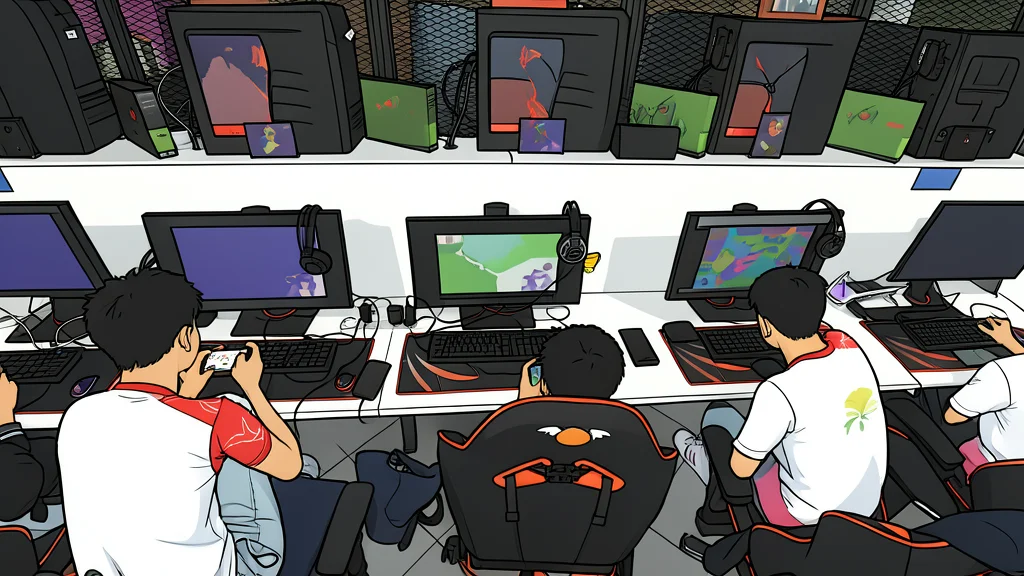
Malaysia is transforming casual gaming into a significant economic pillar, with the digital sector now contributing a quarter of the nation's GDP.
For many Malaysians, video games have evolved from simple leisure activities into a core component of the national economy. The country's digital sector contributed 25.5 percent to the gross domestic product in 2025, a figure that government officials hope to push to 30 percent by 2030. This shift is largely driven by the rapid expansion of the e-sports industry, which has matured from a niche hobby into a structured professional field.
According to reporting from GN auto tech/gaming: gaming industry news, this growth is supported by a broader ecosystem of content creation and competitive play. While global revenues for the video game industry reached an estimated 184 billion US dollars in 2023, Malaysia is positioning itself as a key player in the Asia-Pacific region, which dominates nearly half of the global market share.
Diversified Roles Beyond Professional Play
The economic impact of e-sports extends far beyond the players on the screen. Anuar Fariz Fadzil, chief executive officer of Malaysia Digital Economy Corporation, explained that the industry creates a wide talent pool that includes coaches, production teams, animators, and sound designers. This diversification is crucial for the local labor market, as it provides viable career paths for those who may not become professional athletes.
Local institutions are responding to this demand by offering specialized courses in game software development, art design, and programming. The Malaysian Investment Development Authority notes that these roles require highly skilled professionals in areas such as character programming and digital sound. By formalizing these skills, the country is ensuring that the industry produces a steady stream of qualified workers.
Major Tournaments Attract Global Audiences
Malaysia has successfully established itself as a hub for major international competitions. Event organizers like IO Esports have hosted high-profile tournaments, including the Mobile Legends Professional League and the M6 World Championship. The 2024 M6 World Championship in Kuala Lumpur recorded over 4.1 million peak concurrent viewers, demonstrating the global reach of local events.
These events serve as a catalyst for commercial partnerships and tourism, further integrating e-sports into the broader digital content initiative. The government supports this growth through grants and industry engagement, aiming to strengthen the country's digital talent pipeline. However, the trade-off is a heavy reliance on external investment and global market trends, which can fluctuate rapidly.
Challenges In Sustaining Industry Growth
While the sector shows strong momentum, it faces inherent risks. The industry is highly competitive and dependent on technological advancements and consumer spending. For individual enthusiasts like Mohamed Ilyas Suhairi, the line between hobby and career can be blurry, requiring significant investment in hardware and time. The government's push for a 30 percent GDP contribution by 2030 places substantial pressure on the sector to maintain consistent growth.
Moreover, the rapid evolution of gaming technology means that skills can become obsolete quickly, necessitating continuous training and adaptation. As Malaysia aims to solidify its position in the global digital economy, the balance between fostering creative talent and ensuring economic stability remains a critical challenge for policymakers and industry leaders alike.