New Zealand Indie Studios Share Resources to Cut Costs
Black Salt Games has established a new publishing arm to support independent developers in Christchurch, aiming to reduce financial risks for small teams.
Black Salt Games, the studio behind the fishing survival hit Dredge, has launched a new venture called Team Trifold. This move establishes Saltworks Entertainment, a white-label publisher designed to serve both the new studio and existing partner Disc 2 Games. By operating from a shared facility in Christchurch, New Zealand, the companies aim to combine their strengths while keeping creative control in the hands of the developers.
The primary goal of this structure is to provide stability for small teams working on ambitious projects. According to industry news from GN auto tech/gaming, this model allows studios to share resources like marketing and quality assurance without losing their unique identity. The arrangement is particularly relevant in the current market, where funding uncertainty often threatens the survival of indie developers.
Shared Resources Reduce Operational Risks
Saltworks Entertainment acts as a collective force, pooling expertise in production and support services. This approach allows smaller teams to focus on their core gameplay mechanics rather than administrative overheads. For Team Trifold, this means having the backing of a more established entity like Black Salt Games for their first title, Nothing Lost.
The economic backdrop in New Zealand supports this strategy. Government rebates for the game development sector have recently boosted studio revenues by 17%, reaching a total of $829 million. Executive producer Nadia Thorne notes that this financial stability helps teams refine their games without the constant pressure of immediate commercial viability. However, this reliance on local incentives means the model is heavily tied to specific regional policies.
Redefining Failure in Roguelike Games
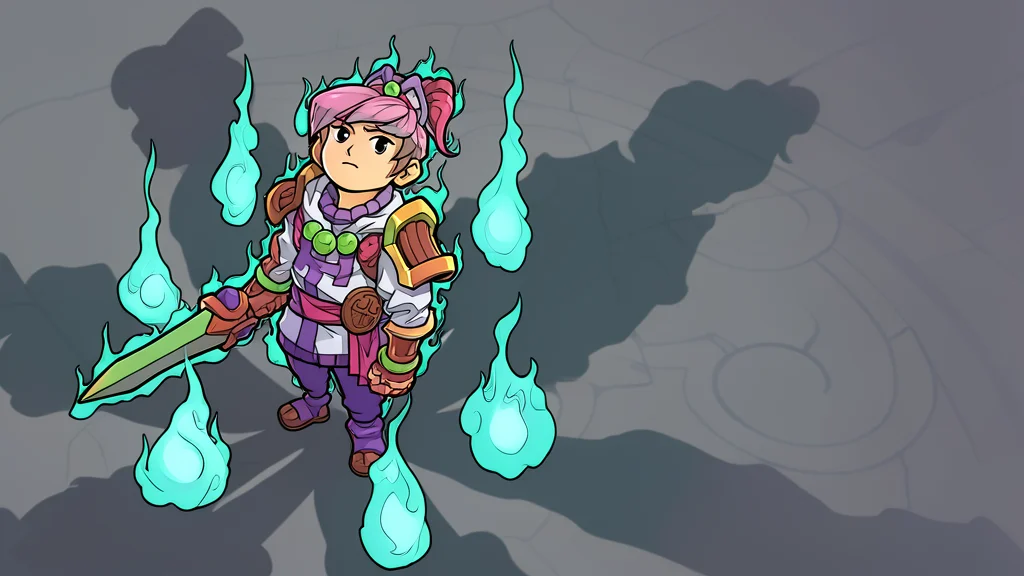
Team Trifold is using this support to innovate within the roguelike genre. Their upcoming game, Nothing Lost, seeks to change how players view death. Instead of treating failure as a penalty, the developers are making it a key mechanism for progression. This design choice is inspired by cultural mythologies and the anime Shaman King, aiming to reward players for overcoming traditionally negative aspects of the genre.
Jed Uy, a key member of the team, emphasizes the need for clear design pillars to guide these technical and creative decisions. The team believes that being transparent about design intentions can help players accept in-game challenges. By redefining defeat, they hope to create a more engaging experience that stands out in a crowded market.
Autonomy Remains Central to the Model
Despite the shared infrastructure, the studios maintain their creative autonomy. This balance is crucial for indie developers who often fear losing their voice to larger publishers. The arrangement allows Black Salt Games to leverage the success of Dredge to fund new projects without directly dictating the creative direction of Team Trifold.
This model offers a potential solution to the high failure rate of indie studios. By sharing costs and expertise, the companies can take on more ambitious projects with less financial risk. However, the success of this approach depends on the continued compatibility of the teams' goals and the sustainability of the local economic support.