Nintendo's Game & Watch Origin Story Involves a Calculator
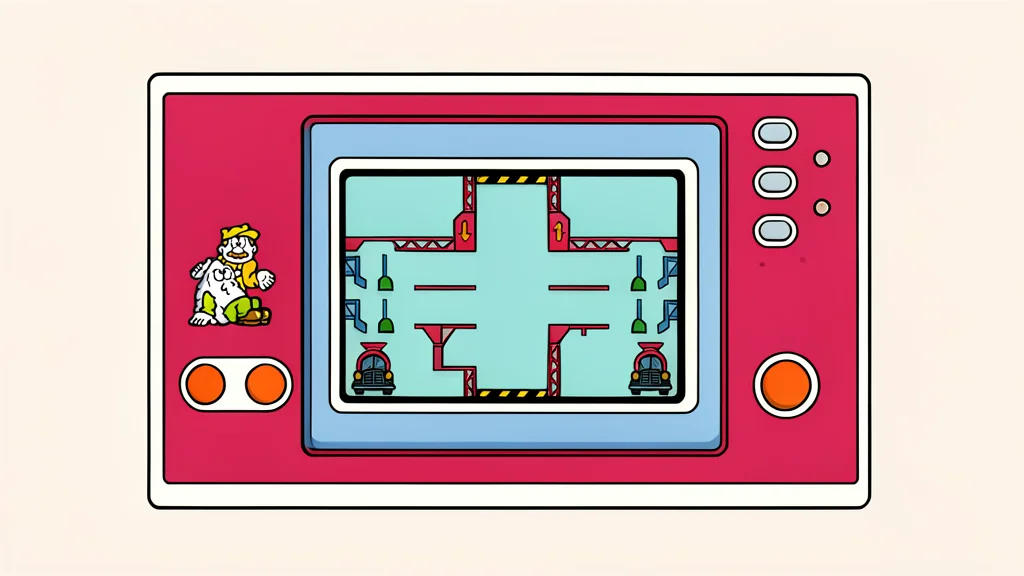
Gunpei Yokoi spotted a commuter playing with a calculator on a train, sparking the idea for a portable gaming device.
Key points
- Gunpei Yokoi conceived the Game & Watch after seeing a commuter play with a calculator on a train.
- The device used low-power LCD screens and segmented displays originally designed for calculators to ensure battery life.
- The series sold over 43 million units and established a design philosophy that influenced the later Game Boy.
Nintendo’s transformation into a global gaming powerhouse began with a simple observation on a commuter train. In 1979, designer Gunpei Yokoi watched a salaryman pass the time by idly pressing the buttons of a pocket calculator. This moment of boredom revealed a gap in the market: entertainment was confined to bulky home consoles and arcades, leaving commuters with nothing to do. Yokoi realized that the technology used in calculators could be repurposed to create a portable gaming experience.
As reported by Engadget, this insight led to the creation of the Game & Watch, which launched in 1980. The device utilized the same low-power LCD screens and segmented displays found in calculators, allowing for long battery life and durability. This approach defined the product's identity and set a precedent for future Nintendo hardware.
Repurposing Proven Calculator Technology
The technical foundation of the Game & Watch was not new. Sharp, then the world's largest calculator manufacturer, provided the core components. The device used a chip capable of displaying 72 segments, a limitation that dictated the simple, blocky graphics of the early titles. Yokoi’s team initially prototyped the games using cut acrylic plastic and small light bulbs to simulate the digital display before moving to mass production.
This reliance on existing, affordable hardware was a deliberate strategic choice. By avoiding the latest, most powerful processors, Nintendo could keep the cost low and the device compact. The first title, Ball, sold well enough to justify a rapid release schedule, with the company shipping a new Game & Watch unit almost every month for the next decade.
A Philosophy of Lateral Thinking
Yokoi coined the term "lateral thinking with withered technology" to describe this method. It involved finding new uses for older, proven hardware rather than chasing raw processing power. This philosophy prioritized usability, battery life, and price over graphical fidelity. It ensured the device was accessible to a broad audience, including children and casual players, who might have been intimidated by complex home systems.
The trade-off was clear: the games were simple and limited in scope compared to contemporary arcade titles. However, the convenience of playing on the go outweighed these limitations for millions of users. The series sold over 43 million units worldwide, proving that portability and simplicity could be more valuable than power.
Laying The Groundwork For Game Boy
The success of the Game & Watch directly influenced the development of the Game Boy. Yokoi applied the same principles of affordable hardware and long battery life to this new handheld. By opting for simpler components, Nintendo created a device that was more portable and reliable than its competitors. This strategy established a design language that persists in Nintendo’s modern hardware, where ease of use and portability often take precedence over raw graphical performance.
The legacy of this approach is evident in the company’s continued focus on accessible gaming. The initial spark from a bored commuter on a train led to a product line that reshaped the industry. It demonstrated that innovation often comes from looking at existing technology through a new lens, rather than inventing entirely new hardware from scratch.