Rediscovering Strategy Games on the PlayStation 2
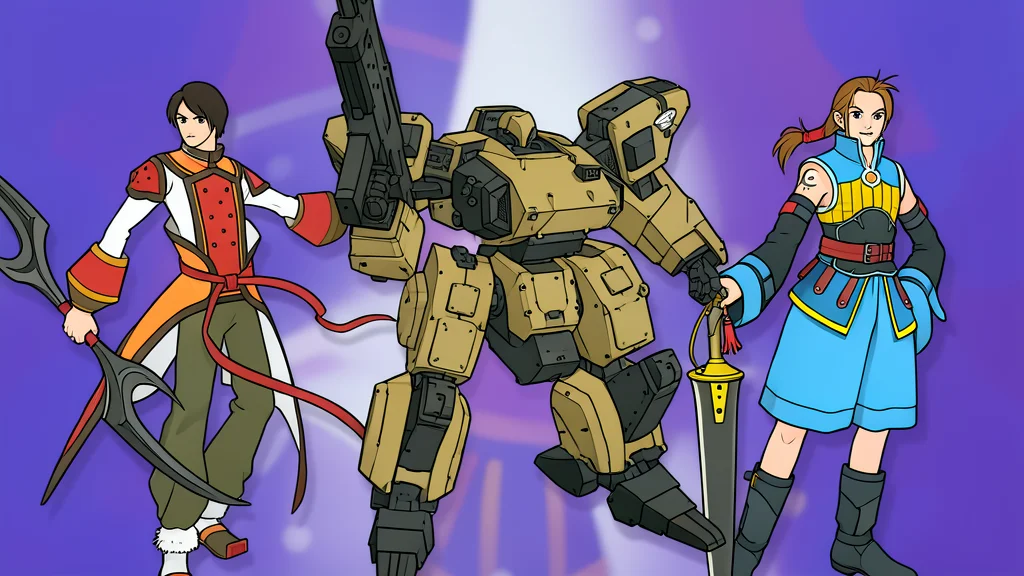
The PS2 era offered a unique landscape for strategy titles, blending console accessibility with deep tactical gameplay that remains relevant today.
While the personal computer dominated the strategy genre during the early 2000s, the PlayStation 2 carved out a distinct niche. The era was defined by experimentation, where developers sought to translate complex tactical mechanics onto hardware designed for casual play. According to GN technics/gaming (en-US), this period produced a collection of titles that managed to balance mental stimulation with approachable controls, creating a library that holds up remarkably well in the current market.
The appeal of these games lies in their ability to engage players immediately. Unlike many modern titles that require extensive tutorials, these PS2 entries often dropped players directly into the action. Whether through real-time resource management or turn-based grid combat, the core loops were designed to be intuitive. This accessibility did not come at the cost of depth; instead, it opened the door for a wider audience to explore strategic thinking in ways that were both challenging and enjoyable from the very first session.
Console Controls Changed The Meta
A major hurdle for strategy games on consoles is the translation of precise mouse and keyboard inputs to a game controller. Titles like Alien Vs. Predator: Extinction attempted to solve this by using analog sticks for unit management. This approach allowed for fluid movement and selection, though it required a different cognitive load than traditional point-and-click interfaces. The trade-off was clear: while the controls were intuitive for newcomers, they sometimes lacked the precision required for complex micro-management in large-scale battles.
Army Men: RTS offered a different solution by scaling down the complexity of the battlefield. By setting the action in household environments, the game reduced the number of units and the scope of the map. This made the analog stick controls feel less clunky and more responsive. The result was a lighter, more accessible experience that prioritized fun over simulation depth. For players looking for a quick tactical session rather than a ten-hour campaign, this streamlined approach proved to be a significant advantage.
Narrative Depth In Tactical Combat
Not all successful PS2 strategy games relied on real-time mechanics. Arc the Lad: Twilight of the Spirits demonstrated that turn-based systems could offer a rich narrative experience while maintaining tactical rigor. The game used a grid-based combat system where positioning was critical. Players had to consider the range of their attacks and the terrain obstacles, turning every battle into a puzzle. This structure allowed for a slower, more deliberate pace that rewarded careful planning over quick reflexes.
The narrative in these titles often served as the primary hook, providing context for the strategic choices players made. In Arc the Lad, the story of humans and orcs in a perpetual war gave weight to the tactical decisions on the field. This blend of storytelling and mechanics ensured that the player remained engaged throughout the campaign. The catch, however, was that the pacing could feel slow for players accustomed to the rapid-fire nature of modern shooters, requiring a willingness to invest time in understanding the story and the systems.
Unique Mechanics Defined The Experience
One of the most distinctive features of the PS2 strategy library was the variety of unit management styles. In Alien Vs. Predator: Extinction, the three factions offered fundamentally different gameplay loops. The Colonial Marines relied on numerical superiority, while the Predators focused on stealth and individual power. The Xenomorphs, however, introduced a unique mechanic where units had to be possessed rather than purchased. This added a layer of strategic risk and reward that differentiated the game from standard resource-gathering titles.
These unique mechanics provided replay value and encouraged players to experiment with different playstyles. The trade-off was that some of these systems could be frustrating or difficult to master. For instance, the possession mechanic in the Alien faction required careful planning to avoid losing control of key units. Despite these challenges, the innovation of these titles ensured that they remained memorable long after the hardware became obsolete. They represent a period when developers were willing to take risks with genre conventions, resulting in a diverse and engaging catalog for strategy fans.