Acer Warns Hardware Must Match AI Software Speed

Acer Africa argues that physical components are falling behind the rapid pace of AI development, creating a growing gap that threatens performance and security.
Acer Africa has issued a stark warning that physical hardware components are struggling to keep pace with the rapid evolution of artificial intelligence software. Glenn du Toit, the country manager and director at Acer Africa, stated that this imbalance is becoming a critical issue as organizations increasingly rely on AI-driven innovation. The company asserts that if hardware does not match the speed at which AI is integrated into software, users will face significant vulnerabilities and degraded performance.
The core of this challenge lies in the shifting demands of modern computing. While previous processor generations relied primarily on traditional multi-core processing, the current trend involves moving heavier workloads onto neural processing units. This transition requires devices to be faster, lighter, and more energy-efficient to support agentic AI features. However, the hardware needed to support these capabilities is currently more expensive to build and supply, creating a tension between capability and cost for consumers and businesses.
Rising costs complicate adoption
The push for AI-ready devices has coincided with global memory shortages and high manufacturing costs. Du Toit explained that while the upfront price of AI PCs has risen due to advanced components like multi-core processors, the long-term cost of operations is expected to decrease. This trade-off means that while the initial investment is higher, the efficiency gains in energy usage and processing speed should offset these expenses over time. However, for many organizations, the barrier to entry remains significant.
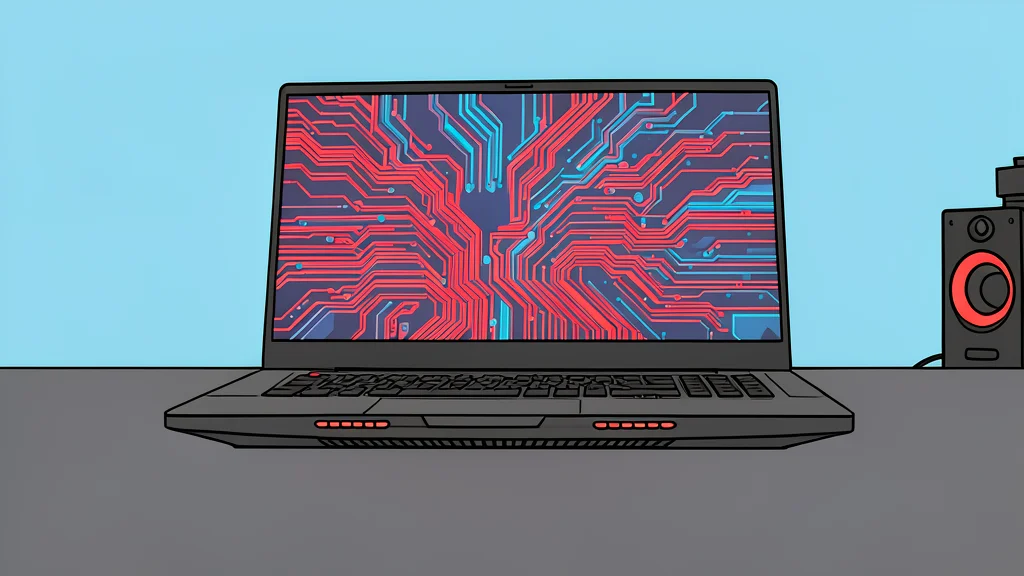
Acer is preparing to address this market shift with the introduction of the Acer Google Book, a high-end laptop built around Google’s AI-native computing platform. Although the device is expected to launch in South Africa soon, the company has not yet disclosed specific pricing or availability details. The lack of clear cost information adds uncertainty for buyers who are already navigating the higher price tag associated with AI-enabled hardware.
Strategic partnerships drive development
To meet the growing demand for AI-powered solutions, Acer is deepening its collaborations with major technology partners including Intel, Microsoft, and Nvidia. These partnerships are designed to ensure that the hardware components can effectively support the software demands of modern AI applications. By working closely with these chip and software giants, Acer aims to bridge the gap between raw processing power and intelligent software integration.
The company has structured its broader business strategy around four key pillars: computing, AI medical, smart living, and sustainability. This holistic approach reflects a belief that AI is not just a feature for laptops but a fundamental shift in how devices operate across various industries. As noted by GN technics/hardware, the emphasis on sustainability and smart living suggests that the next generation of hardware will prioritize efficiency and environmental impact alongside raw power.
Devices become more agile
Du Toit highlighted a global shift toward devices that are more mobile and agile. The traditional heavy, stationary workstations are giving way to lighter, more flexible hardware that can handle complex AI tasks on the go. This change is driven by the need for agility in business operations, where rapid access to AI insights is becoming a competitive advantage. The hardware is evolving to be less heavy in both physical weight and operational complexity.
Ultimately, the message from Acer is clear: the balance between hardware and software in AI environments is critical. As AI becomes more deeply embedded in daily computing tasks, the physical infrastructure must continue to evolve to support these demands. Failure to do so will result in a system that is not only slower but also more vulnerable to security risks, according to the company's leadership.