Robot Lawn Mowers Eclipse Humanoid Robots at IFA 2026
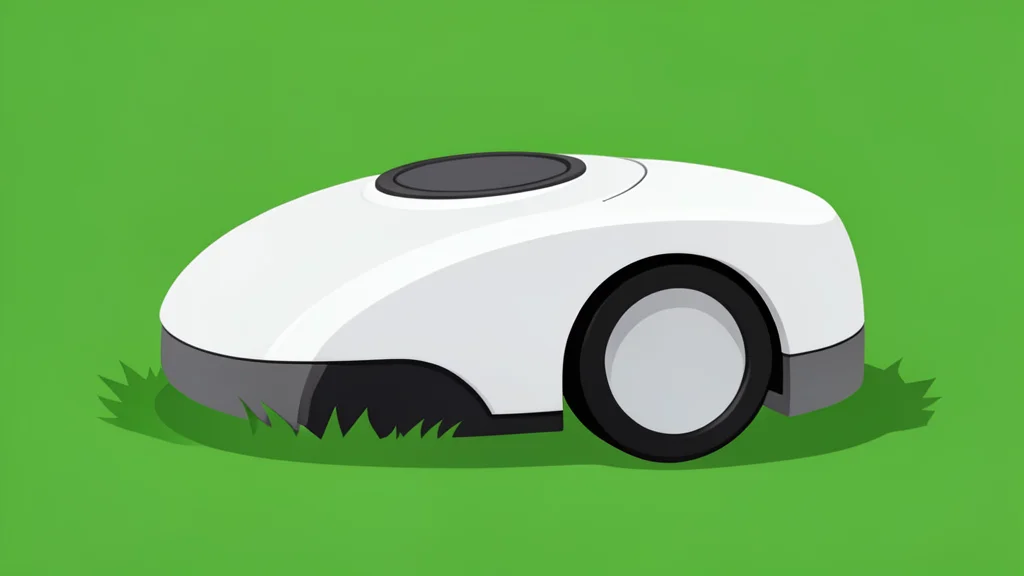
While humanoid robots drew crowds, practical robotic lawn mowers emerged as the standout technology at IFA 2026, signaling a major shift in household automation.
The most anticipated technology at IFA 2026 was not the bipedal androids shaking hands with attendees, but the quiet, wheeled machines quietly cutting grass. Robot lawn mowers have moved from novelty to necessity, offering a level of autonomy that finally rivals human performance. The trade-off for this convenience is a significant upfront investment, but the return is measured in reclaimed weekends and reduced noise pollution.
The industry has largely abandoned the cumbersome boundary wires that defined the previous generation of these devices. Modern units rely on satellite navigation and LiDAR sensors to map lawns automatically, making the setup process nearly plug-and-play. This shift marks a critical transition in consumer robotics, where the technology solves a recurring chore rather than adding a new device to manage.
Edge cutting solves a key flaw
Historically, the main complaint about robotic mowers was their inability to handle perimeter edges, forcing users to finish the job with a handheld trimmer. New models address this directly. The Dreame A4 AWD Pro Series features a specialized blade assembly that extends to the outer rim, delivering a clean, professional cut without manual intervention. This mechanical innovation removes the most common friction point in the user experience.
Other manufacturers are taking different approaches to the same problem. The Segway Navimow H5 Pro utilizes a sliding circular mowing disc to achieve similar edge precision. These mechanical refinements suggest that the hardware is maturing faster than the software, providing tangible, visible results that justify the premium price tag over standard gas-powered alternatives.
Quiet operation changes neighborhood dynamics
Beyond performance, the acoustic profile of these machines is reshaping residential norms. The Segway Navimow X430, available in the United States, operates at under 68 decibels. This is significantly quieter than a standard gasoline mower, allowing for conversation at a normal volume nearby. For homeowners in densely populated areas, this reduction in noise is a critical feature that gas engines cannot match.
The maneuverability of these devices has also improved. Zero-turn steering mechanisms allow models like the X430 to navigate tight spaces without scalping the grass. This precision is essential for maintaining lawn health, as traditional mowers often damage turf during sharp turns. The technology is no longer just about cutting grass; it is about doing so with minimal impact on the landscape.
Practicality surpasses spectacle in tech
IFA organizers noted that interest in robotic lawn care mirrors the early adoption curve of robot vacuums. Leif Linder, CEO of IFA, observed that these devices are becoming part of everyday life by handling tasks on autopilot. The key distinction is that these robots adapt to weather and terrain, removing the need for user oversight. This represents a shift from tech as a toy to tech as a service.
However, consumers should be aware of the limitations. While these machines are versatile, they require specific terrain conditions to function optimally. Steep slopes and dense obstacles can still pose challenges, despite the advanced sensors displayed at the trade show. The technology is ready for mainstream adoption, but it is not yet infallible. The choice to switch is less about capability and more about whether the weekly time savings justify the initial cost.