Sixth-Gen Console Ranking: Dreamcast and GameCube Lead Pack
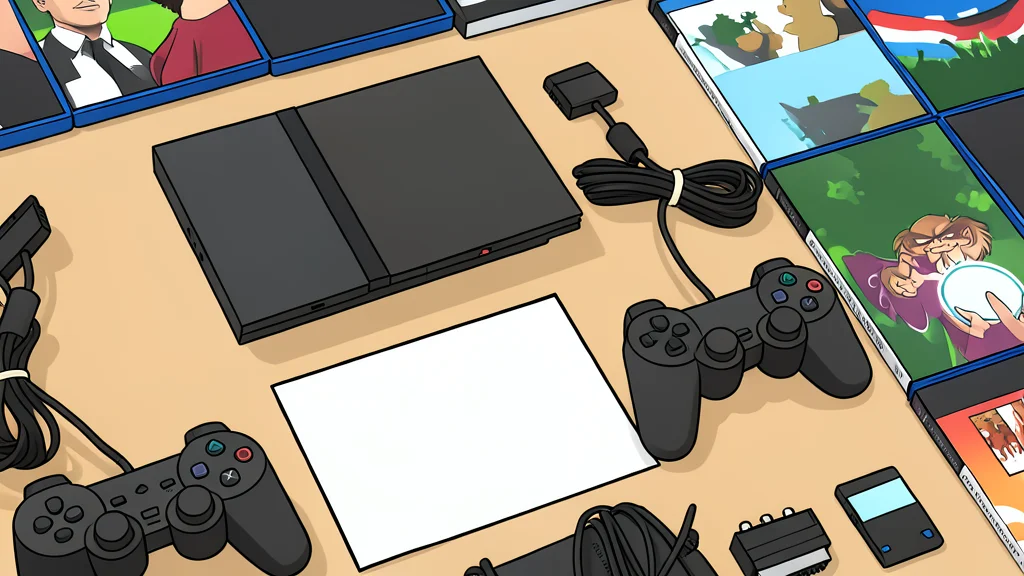
A new ranking places the Sega Dreamcast and Nintendo GameCube at the top of the sixth generation, ahead of the PSP and Xbox.
Key points
- Sega's Dreamcast is ranked fifth for pioneering online gaming, despite being outsold by rivals.
- Nintendo's GameCube ranks fourth due to its reliable hardware and strong exclusive game library.
- Handhelds like the PSP and DS rank below top home consoles due to lower cultural impact.
The sixth generation of video game consoles, active from the late 1990s to the mid-2000s, remains a benchmark for hardware innovation. While modern systems like the PlayStation 5 and Xbox Series X focus on graphical fidelity and speed, the era that introduced online multiplayer to the mainstream relied on distinct hardware identities. A recent analysis by Collider ranks the devices of this specific era, weighing their influence, game libraries, and technical capabilities against one another.
The ranking reveals a clear hierarchy among the era's most prominent machines. The Nintendo GameCube and Sega Dreamcast occupy the top spots, followed closely by the Sony PlayStation 2 and Microsoft Xbox. These four systems defined the competitive landscape of the time, while handheld devices like the Nintendo DS and Sony PSP, though successful, are ranked slightly lower in terms of overall cultural impact and library depth compared to their home counterparts.
Home Systems Dominate the Hierarchy
The Sega Dreamcast is ranked fifth, a position that reflects both its pioneering features and its short market lifespan. Released in 1998, it was the first major console to include built-in internet connectivity, allowing for online multiplayer games like Phantasy Star Online before such features were standard. Despite its innovative approach and strong game library, it was outsold by its competitors, leading to Sega’s eventual exit from the hardware market.
The Nintendo GameCube holds the fourth position, praised for its reliable hardware and exclusive titles. Although it lacked the raw power of its rivals, its focus on polished gameplay and a robust collection of family-friendly and action titles ensured its longevity. The system’s unique disc format and controller design, which included a memory card, set it apart in a crowded marketplace, appealing to players who preferred consistent performance over cutting-edge graphics.
The Sony PlayStation 2 and Microsoft Xbox, while not explicitly detailed in the provided excerpt’s lower rankings, are implied to rank above the handhelds due to their massive sales figures and cultural dominance. The PS2 remains the best-selling console of all time, largely due to its backwards compatibility and versatile media capabilities. The Xbox, meanwhile, standardized online gaming with its built-in Ethernet port, a feature that influenced the design of subsequent generations.
Handhelds Face Stiffer Competition
Handheld devices from this era, such as the Nintendo DS and Sony PSP, are ranked below the top home consoles despite their massive commercial success. The DS, with its dual-screen design and touch controls, revolutionized the genre but is often viewed as a niche entry compared to the broader cultural impact of home systems. Its focus on casual and family gaming limited its appeal to core enthusiasts who sought high-fidelity experiences.
The Sony PSP, released in 2004, brought console-quality graphics to a portable format, challenging the dominance of home systems. However, its high price point and lack of backwards compatibility hindered its adoption compared to the PS2. The ranking suggests that while these handhelds were innovative, they did not match the sheer volume of exclusive, high-profile titles that drove the success of the home consoles.
Lesser-known devices like the Nokia N-Gage and Bandai Namco’s WonderSwan Color rank lower, primarily due to limited market presence and technical compromises. The N-Gage, which attempted to merge gaming with phone functionality, suffered from poor usability and a lack of strong software support. These examples highlight that innovation alone is insufficient without a viable ecosystem and consumer demand.
Legacy of Innovation and Failure
The sixth generation serves as a cautionary tale and a source of inspiration for modern hardware developers. The success of the PS2 and Xbox demonstrates the importance of ecosystem balance, combining powerful hardware with a strong software library and user-friendly features. Conversely, the struggles of the Dreamcast and N-Gage show that technological novelty can be overshadowed by poor execution and market timing.