VW Cuts Gas Car Shifts as New Electric Models Sell Out
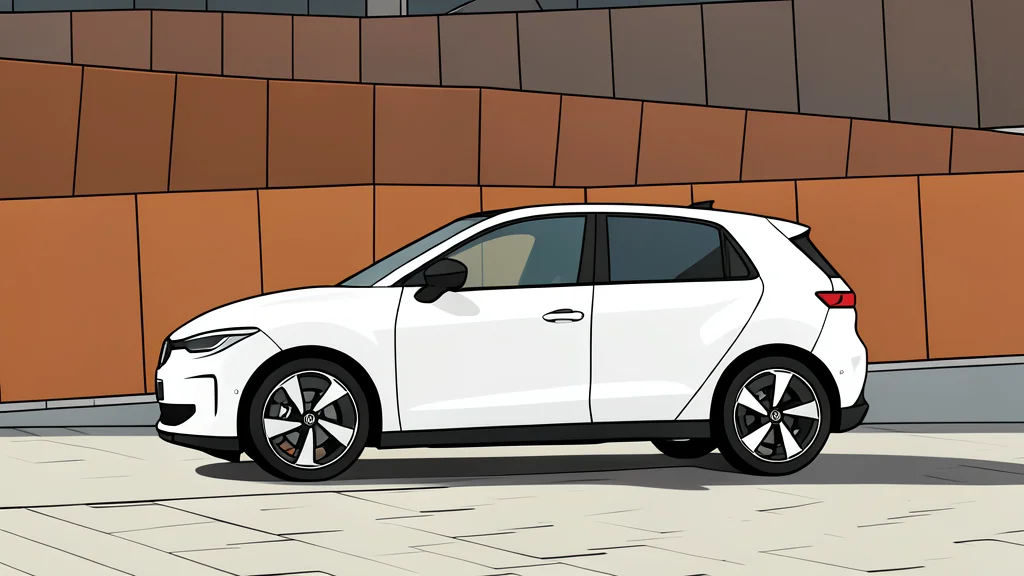
Volkswagen is reducing production of its gas-powered cars to prioritize electric models, which are now outpacing internal combustion engines in German sales.
Key points
- Volkswagen is canceling extra shifts for gas cars at its Wolfsburg plant to boost electric vehicle output.
- The ID. Polo has received over 40,000 orders in Europe, leading to wait times of at least ten months.
- VW is cutting up to 100,000 jobs globally to reduce costs while competing with Chinese brands like BYD.
Volkswagen is reversing its production priorities in a significant shift for the European auto industry. The company is canceling extra shifts for its traditional gas and diesel vehicles to free up capacity for its new electric lineup. This move acknowledges that demand for affordable electric cars has now surpassed interest in internal combustion engines in its home market.
The change is driven by strong sales of recent entries like the ID. Polo and ID. 3 Neo. According to reports from Electrek, these models have attracted over 40,000 orders in Europe since their launch, prompting the manufacturer to reallocate resources from plants building the Golf and Tiguan to facilities dedicated to electric production.
Production lines shift to electric models
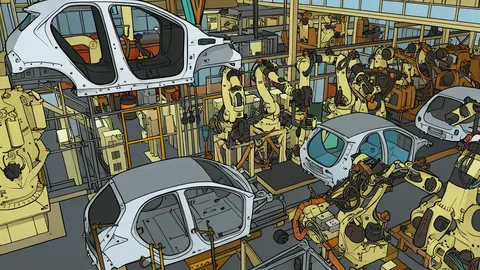
At the Wolfsburg plant, where the gas-powered Golf and Tiguan are assembled, annual output is expected to remain near 580,000 units rather than the previously targeted 600,000. The company is instead adding shifts at the Emden and Zwickau plants to handle the surge in demand for the ID. 3 Neo. This reallocation reflects a strategic decision to follow customer preference rather than historical production volumes.
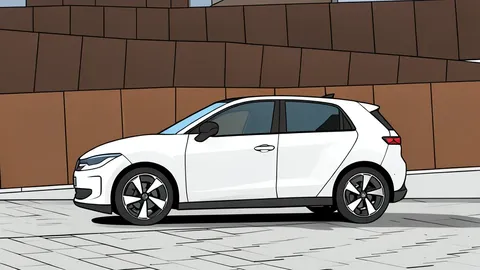
The ID. Polo, built in Spain, has become the volume driver of this transition. With a starting price of roughly $29,000 and a range of about 207 miles, it has sold out across many trims. Buyers currently face wait times of at least ten months, a level of scarcity that has not been seen for Volkswagen’s entry-level segment in years.
Affordability drives the consumer switch
The success of these models hinges on pricing that undercuts previous electric offerings. A dealership executive noted that consumers are moving to electric vehicles they can actually afford. The ID. Polo Trend, equipped with a 37 kWh battery, fits this price point, making it accessible to a broader audience than earlier, more expensive Volkswagen electric cars.
The same platform supports the Skoda Epiq and Cupra Raval, which are also seeing strong initial uptake. Additionally, the new ID. Cross electric SUV, launched in July, is generating solid order flow. This broad appeal across multiple brands within the Volkswagen group suggests a genuine market shift rather than a temporary spike.
Cost cuts and global competition remain
Despite the sales success, Volkswagen faces a challenging backdrop. The company recently approved a restructuring plan that includes up to 100,000 job cuts globally and the closure of several plants. These moves are designed to reduce costs and streamline the vehicle lineup to remain competitive.
The primary threat comes from Chinese manufacturers like BYD, which offer lower-cost and technologically advanced electric vehicles. BYD has already halted production of pure internal combustion engines and aims to become the world's largest automaker by 2030. Volkswagen’s current production pivot is a necessary step to defend its market share against these more agile and price-competitive rivals.