Sombra's Support Shift Will Test Overwatch's Stubborn Community
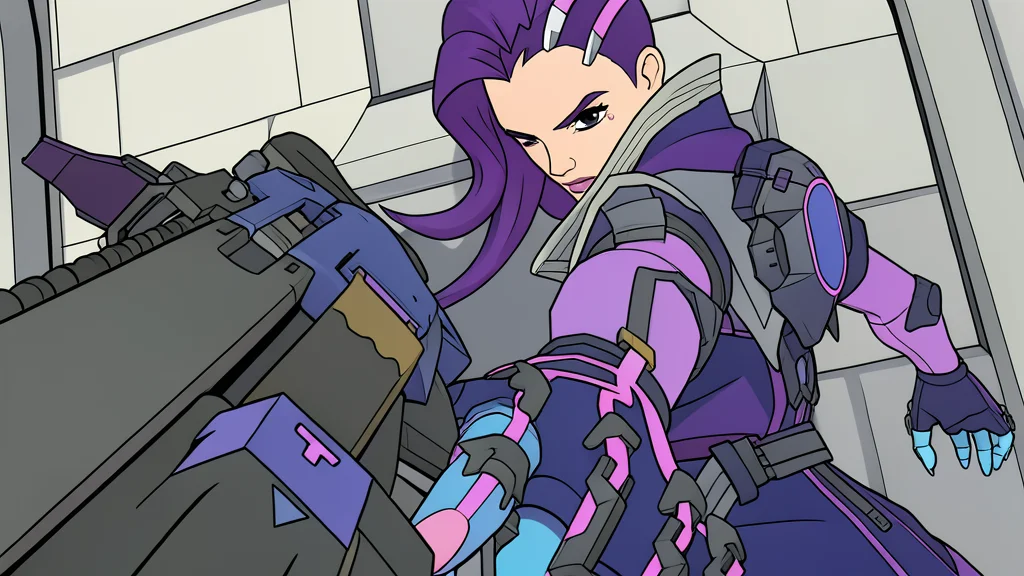
Blizzard has moved Sombra into the Support role, a design choice that improves balance but risks alienating players who still view her as a disruptive flanker.
Overwatch has officially shifted Sombra from her traditional flanker role to the Support category, a significant structural change aimed at stabilizing the game's competitive meta. While this move addresses long-standing balance issues, it also highlights a deeper friction within the player base: a community that is deeply resistant to change and quick to judge heroes based on past performance rather than current design.
As reported by GN technics/gaming (en-US), this redesign is part of a broader effort to fix persistent balance problems involving Sombra and Roadhog. Both characters have suffered from a cycle of extreme buffs and harsh nerfs, leaving them in a perpetual state of imbalance. By redefining Sombra’s core function, the developers hope to transform her from a niche outlier into a standard, reliable pick for teams.
New Abilities Redefine Team Strategy
The update retains several of Sombra’s iconic tools, including her primary fire, EMP ultimate, and translocator, while introducing new mechanics that align with her support duties. A new ability called Hotfix allows her to heal a line of allies over time and hack health packs, directly contributing to team sustain. Additionally, she gains a biotic grenade-like ability and a passive that reveals enemy ultimate charges, improving defensive awareness.
These changes are designed to make Sombra a consistent asset rather than a unpredictable variable. However, the trade-off is clear: she can no longer hack enemies out of their ultimate abilities, a loss that may frustrate players who relied on that specific utility. The new kit demands a different playstyle, one that prioritizes staying with the team and facilitating engagements rather than seeking isolated kills.
Player Resistance Slows Adoption
Despite the logical benefits of the redesign, the transition will not be smooth. Many players hold deep-seated negative perceptions of Sombra, viewing her as a disruptive force in competitive play. This stigma is ingrained in the community, meaning that even with a more balanced kit, her public image may remain tarnished for the time being.
A significant portion of the player base is likely to continue playing Sombra as if she were still a flanker. This mismatch between intended role and actual player behavior creates a frustrating dynamic. Support players who roam the map to hunt enemies, rather than sticking with their team to provide sustain, undermine the core purpose of the role. This behavior is particularly noticeable in lower-ranked matches where role discipline is often lax.
Long-Term Integration Is Key
While the initial reaction may be negative, the long-term outlook is positive. History suggests that players eventually adapt to new roles, much like they did with previous hero reworks. The current friction is a growing pain that will likely subside as players adjust their muscle memory and strategic expectations.
The success of this change depends on the community embracing the new design philosophy. If players can let go of their preconceived notions and engage with Sombra as a true support, she has the potential to become a valued and stable member of the roster. The immediate discomfort is a necessary step toward a more balanced and enjoyable game experience.