Switch 2's Library Grows Without Flagship Titles
Nintendo's latest handheld is building a robust software ecosystem through third-party ports and new IP, even as fans wait for the next big Mario or Zelda entry.
More than a year after its launch, the Nintendo Switch 2 has established a surprisingly healthy software lineup. While the console lacks the high-profile first-party titles that typically define a new generation, such as a new mainline Zelda or Mario platformer, the library is filled with diverse and high-quality options. This growth is driven largely by strong support from third-party developers who are porting major franchises to the hardware.
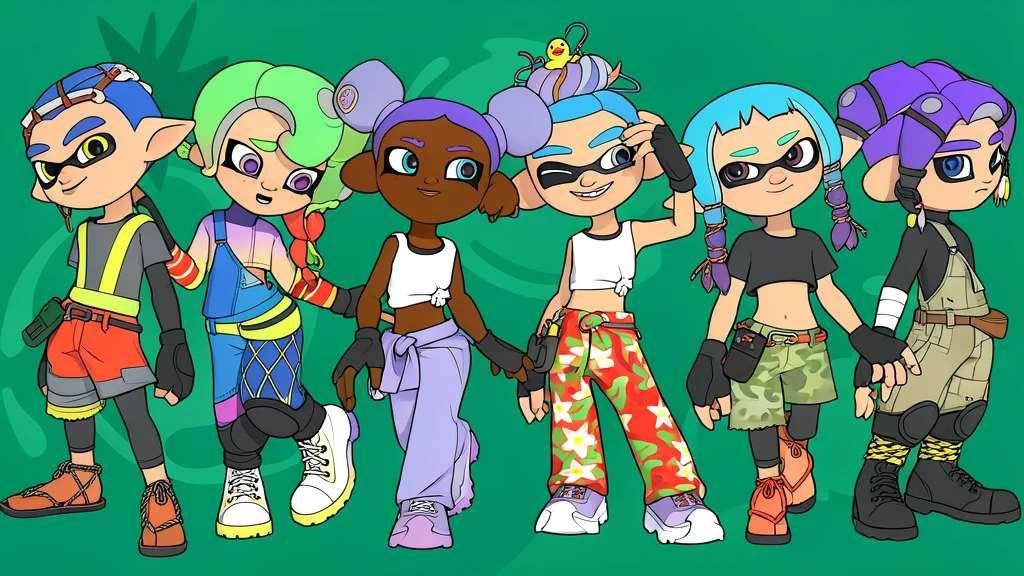
According to reporting from GN technics/gaming, the platform is seeing a steady stream of interesting second-tier titles and significant ports. Notable examples include the co-op shooter Splatoon Raiders and updated versions of the Xenoblade series. Additionally, major publishers like Square Enix and Capcom are bringing their biggest titles to the system, ensuring that players have plenty of high-budget experiences to choose from.
Third-Party Giants Drive Current Appeal
The console's current strength lies in its ability to host large-scale productions from outside Nintendo. Square Enix has moved quickly to bring the Final Fantasy 7 remake trilogy to the Switch 2, with the second chapter, Rebirth, receiving praise for its scale. Similarly, Capcom is investing heavily in the platform with upcoming titles from the Resident Evil and Onimusha franchises. This level of commitment suggests that the Switch 2 is being treated as a primary target for major industry releases, not just a secondary option.
However, this reliance on ports comes with trade-offs. While these games provide high-quality entertainment, they often lack the exclusive, innovative gameplay loops that historically set Nintendo consoles apart. The focus on bringing existing PC and console titles to the handheld means that the unique identity of the platform is currently being shaped by the choices of external studios rather than Nintendo's own design philosophy.
New IP Fills The Gap
In the absence of a flagship Nintendo title, new original properties are stepping up. Splatoon Raiders stands out as a significant addition, transforming the competitive paintball series into a looter-shooter action RPG. This title offers a deep campaign and challenging endgame content that appeals to players who prefer progression-based systems over pure competitive matches. It serves as a bridge for players who find traditional Mario or Zelda games less appealing to their current tastes.
Indie and mid-sized titles are also contributing to the variety. Games like Big Walk and Orbitals offer unique co-op experiences that leverage the Switch 2's detachable screen and controller design. These titles highlight the hardware's flexibility, allowing players to switch between handheld and docked modes seamlessly. This variety ensures that there is something for different play styles, from casual hangout sessions to intense cooperative challenges.
Backward Compatibility Expands Total Library
It is important to remember that the Switch 2 is not a standalone ecosystem. Through backward compatibility, owners have access to the entire existing Switch library. This means that the effective number of available games is significantly larger than the list of new Switch 2-exclusive titles suggests. Many older games have also received free updates to take advantage of the new hardware's features, adding value to previous purchases without requiring new spending.
For consumers, this creates a complex decision landscape. While the new generation offers improved performance and new exclusive titles, the sheer volume of compatible older games means that the most popular titles on the system might still be from the previous generation. The catch is that while the hardware is new, the most critically acclaimed experiences may not be exclusive to it, blurring the lines between generations.