Studios Avoiding Layoffs Through Lean Operations
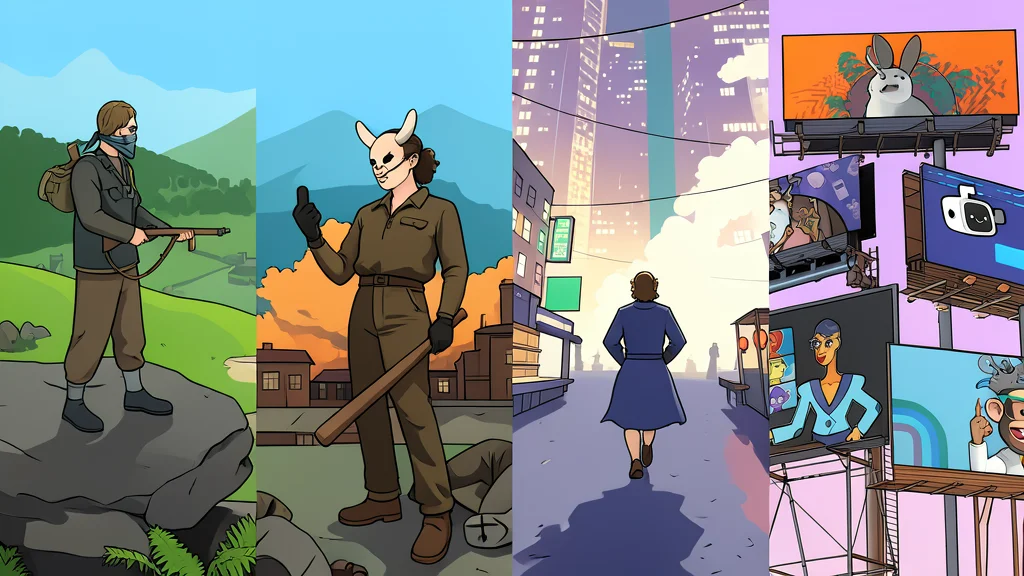
While the gaming industry faces a wave of job cuts, some studios have remained stable by keeping teams small and managing costs carefully.
For several years, headlines in the video game sector have been dominated by announcements of mass job cuts. This pattern has led to a significant loss of skilled talent and a sense of instability that pervades the workplace. However, a closer look reveals that this outcome is not inevitable for every company. Some developers have managed to keep their staff intact over the last five years, challenging the notion that layoffs are a standard part of the business cycle.
According to reporting by GN technics/gaming (en-US), these resilient studios share a common approach to their workforce. They have deliberately kept their teams smaller than their peers, maintaining a lean structure that allows them to weather economic downturns without resorting to large-scale reductions. This strategy involves a deep understanding of their own capabilities and a refusal to expand beyond what their current revenue can support.
The cost of rapid expansion
The traditional model for many game developers involves hiring large teams to meet production deadlines, only to release them once the project concludes or financial pressures mount. This cycle, often described as hire, develop, and lay off, has become entrenched in the industry’s culture. Major publishers have frequently laid off hundreds of employees in single days, while smaller indie studios sometimes face total closure when they cannot sustain their payroll.
This instability is exacerbated by a growing number of people seeking entry into the field. The market is not shrinking, but the competition for positions is intensifying, making the impact of any job loss feel heavier than before. Analysts note that this surge in applicants creates a situation where the available roles are insufficient to absorb the talent pool, leading to a more precarious employment landscape for everyone involved.
Keeping teams intentionally small
Studios that have avoided layoffs often operate with fewer people than observers might expect. When questioned about their headcount, these companies frequently report numbers significantly lower than what would be typical for their output. This lean approach means they are not burdened by the high fixed costs associated with large payrolls. By matching their staffing levels closely to their actual needs and financial capacity, they reduce the risk of needing to make sudden, drastic cuts.
This method requires a clear understanding of the studio’s limits. Leaders at these companies emphasize the importance of knowing their team’s strengths and weaknesses. Rather than expanding to chase every trend or opportunity, they focus on sustainable growth that aligns with their resources. This discipline allows them to maintain stability even when broader market conditions are unfavorable.
Sustainability over rapid growth
The trade-off for this stability is a more measured approach to expansion. Studios that prioritize long-term health over short-term scale may miss out on some opportunities for rapid growth. However, they gain the ability to retain their core team and maintain a consistent culture. This approach stands in contrast to the boom-and-bust cycles that have defined much of the industry in recent years.
As the industry continues to grapple with economic pressures, these examples offer a different perspective. They suggest that while layoffs are a common response to financial stress, they are not the only option. By focusing on lean operations and realistic planning, some developers have found a path to stability that protects their employees and their creative output.