The Real Price of Chasing Every New Game Release
Modern gaming has shifted from a leisurely hobby to a high-pressure financial commitment, driven by aggressive marketing and live-service mechanics that demand constant attention and spending.
For many players, the launch of a major video game title used to be a simple event. You bought a disc, played for months, and moved on. Today, that model has fractured. The initial purchase is often just the entry ticket into a complex ecosystem of additional costs. According to GN auto tech/gaming, the pressure to keep up with every new release has transformed a relaxed pastime into a race against time and budget constraints.
This shift is not accidental. Developers and publishers have built business models that rely on creating a sense of urgency. The result is that staying current with the latest titles is no longer just a hobby; it is a significant financial drain that requires constant engagement to justify the initial expenditure.
Marketing creates artificial urgency
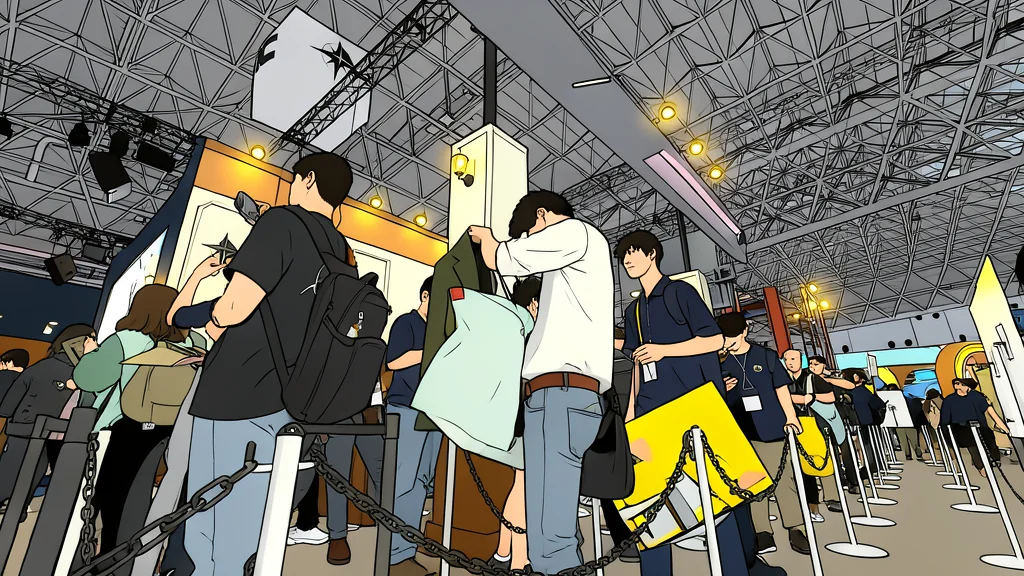
The decision to buy a game on release day is often driven less by genuine enthusiasm and more by manufactured fear of missing out. Social media feeds are saturated with streams, reviews, and live commentary before a title even launches. This creates a social expectation that you must play immediately to avoid spoilers or falling behind your online friends.
This artificial urgency is compounded by live-service mechanics. Daily login rewards, seasonal cosmetics, and expiring battle passes create a sense of obligation. What was once a free-form activity has become a structured daily commitment, often feeling like a second job that requires regular check-ins and additional spending to unlock content.
Hidden costs accumulate quickly
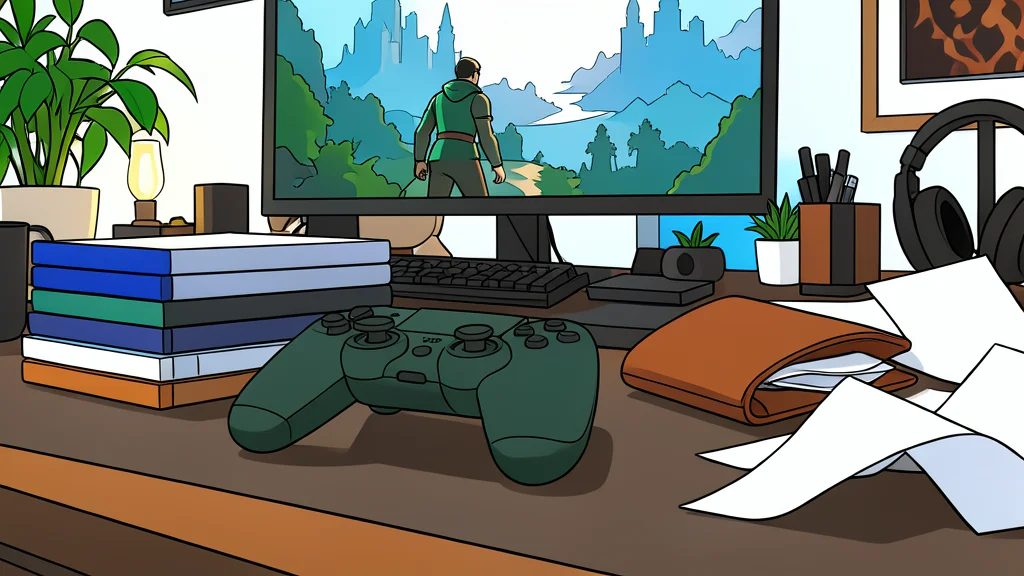
The base price of a game is only the beginning. Modern titles frequently come with deluxe editions that charge significantly more for digital perks. When you factor in multiple major releases per year, microtransactions, and the need for hardware upgrades to run these demanding games at high performance, the annual spending can reach thousands of dollars.
Many players rarely calculate the total ongoing cost of their entertainment habits before making payments. The compounding effect of these small, recurring expenses, combined with the pressure to upgrade consoles and PC components every few years, makes the true cost of gaming far higher than the sticker price suggests.
Reclaiming control over spending
Acknowledging these costs is the first step toward changing the habit. Players who recognize the pressure of the hype cycle can make more deliberate choices about which games to buy and when to play them. By stepping back from the immediate launch rush, individuals can avoid the trap of feeling obligated to spend money they did not plan to use.
Gaming remains a powerful form of escapism and connection, but it does not need to be a financial burden. Understanding the mechanics behind the modern release cycle allows players to enjoy their favorite titles without falling into the trap of endless spending and time commitment.